
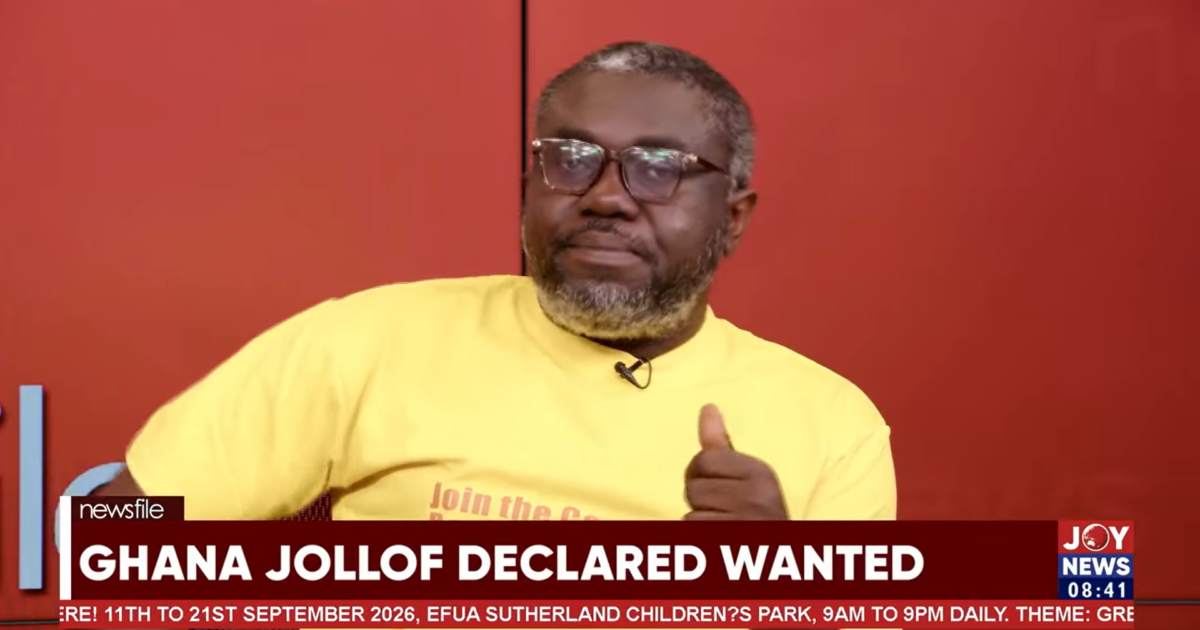
Barker-Vormawor: Ghana Courts Rights Scrutiny Crucial for Suspects
Summary
- Oliver Barker-Vormawor, Constitutional Rights and Policy Strategy Adviser at Democracy Hub, has urged Ghanaian courts to increase their scrutiny of constitutional rights.
- He specifically highlighted cases involving social media speech and the rights of individuals facing criminal allegations.
- Mr. Barker-Vormawor asserted that alleged violations of suspects’ rights should not be overlooked simply because criminal charges are present.
- His call emphasizes the need for robust constitutional protection throughout criminal proceedings in Ghana.
- The advocacy is set against the backdrop of discussions surrounding the 'Ghana Jollof' case, underscoring the importance of judicial vigilance.
Advocacy for Enhanced Judicial Scrutiny
The core of Mr. Barker-Vormawor's argument centers on the principle that alleged violations of suspects’ rights must not be disregarded, irrespective of whether criminal allegations have been formally brought before the courts.
Oliver Barker-Vormawor, who serves as the Constitutional Rights and Policy Strategy Adviser at Democracy Hub, has recently called upon Ghana's judicial system to significantly increase its oversight regarding the protection of fundamental constitutional rights. His appeal specifically targets cases that involve public discourse on social media platforms and the rights of individuals facing criminal allegations.
Mr. Barker-Vormawor's intervention underscores a critical perspective: that the presence of criminal charges should not diminish the courts' responsibility to rigorously examine and uphold the constitutional entitlements of suspects. This stance highlights a perceived need for the judiciary to maintain a high level of vigilance, ensuring that due process and fundamental freedoms are not compromised simply because an individual is accused of an offense.
The context for these discussions notably includes the 'Ghana Jollof' case, which appears to serve as a focal point for the broader conversation around constitutional rights and judicial accountability. The adviser's statements suggest that the principles at stake in such cases demand a more proactive and searching inquiry from the courts into potential rights infringements.
The Imperative of Constitutional Safeguards
The core of Mr. Barker-Vormawor's argument centers on the principle that alleged violations of suspects’ rights must not be disregarded, irrespective of whether criminal allegations have been formally brought before the courts. This position champions robust Ghana constitutional rights protection, asserting that these protections are not conditional on the absence of criminal charges but are inherent to every individual.
Such advocacy is crucial for strengthening suspects' rights in criminal proceedings in Ghana, emphasizing that the legal process itself must operate within the bounds of constitutional guarantees. It implies that courts have a continuous obligation to scrutinize the actions of law enforcement and prosecutors, ensuring that no procedural or substantive rights are trampled upon during investigations or trials.
This perspective challenges any notion that the pursuit of justice in criminal matters can, or should, override the fundamental human rights enshrined in the constitution. Instead, it posits that justice is only truly served when constitutional safeguards are meticulously observed at every stage.
Implications for Ghana's Legal Framework
The call for intensified Barker-Vormawor Ghana courts rights scrutiny signals a potential shift towards a more robust defense of fundamental rights within the nation's legal system. This advocacy suggests a growing demand for the judiciary to adopt a more assertive role in safeguarding individual liberties, particularly in an era where digital communication and public expression are increasingly under legal scrutiny.
For legal practitioners, this development carries significant implications. It underscores the importance of being prepared to argue for heightened judicial vigilance in cases involving constitutional rights violations. Lawyers should leverage these arguments to ensure that their clients' fundamental freedoms, especially concerning social media speech and the treatment of suspects, receive the thorough judicial examination they warrant.
This evolving landscape requires a proactive approach from the legal community, encouraging them to champion constitutional principles and push for their rigorous application in court. The emphasis on judicial scrutiny could pave the way for stronger precedents in Ghana constitutional rights protection, influencing future legal interpretations and enforcement practices.
Protecting Digital Expression and Suspects' Rights
A significant aspect of the advocacy focuses on social media speech rights in Ghana, urging courts to be particularly attentive to how online expression is handled under the law. As digital platforms become central to public discourse, the boundaries of free speech and potential legal repercussions require careful judicial navigation to prevent undue restrictions on constitutional freedoms.
Furthermore, the discussions around the 'Ghana Jollof' case rights highlight the broader concern for suspects' rights criminal proceedings Ghana. This encompasses everything from the initial arrest and detention to interrogation procedures and fair trial guarantees. The argument is that these rights must be actively protected, not merely acknowledged, throughout the entire criminal justice process.
By advocating for greater judicial vigilance in these specific areas, Mr. Barker-Vormawor aims to reinforce the judiciary's role as the ultimate guardian of constitutional rights. This includes ensuring that individuals, regardless of the allegations against them, are afforded their full protections under the law, particularly when their freedom of expression or personal liberty is at stake.
Practical Implications
Lawyers should note the growing advocacy for stricter judicial scrutiny of constitutional rights violations in Ghana, particularly concerning social media speech and suspects in criminal proceedings. This signals a potential shift towards more robust defense of fundamental rights, requiring practitioners to be prepared to argue for heightened judicial vigilance and to leverage these arguments in relevant cases.
Source
Source: Original reporting via GhanaWeb
How does this affect you?
Get an AI analysis of this article grounded in your jurisdictions, practice areas, and any policy documents you've uploaded to Wansom.
Finish Reading the Full Story and the Expert Analysis.
Get the latest legal & regulatory intelligence in Ghana
Wansom is AI and can make mistakes.