
Banque mondiale: Quatre priorités pour stabiliser l'économie du Sénégal
Summary
- The World Bank has announced four priority areas for financing in Senegal: protecting vulnerable populations, restoring macroeconomic stability, increasing private sector role, and continuing funding for strategic sectors.
- The partnership aims to address Senegal's significant public debt burden, with multilateral creditors holding 41% of the country's debt.
- The World Bank's priorities are part of a broader effort to support Senegal's economic development and reduce poverty.
What Happened
"Nous avons fait le point sur la situation macroéconomique, sur la situation de la dette. Des positions se sont beaucoup rapprochées et nous avons souhaité qu'on accélère maintenant le rythme pour qu'on sorte de cette situation de discussion continue et faire ensemble de nouvelles interventions," a déclaré M. Diagana à sa sortie d'audience.
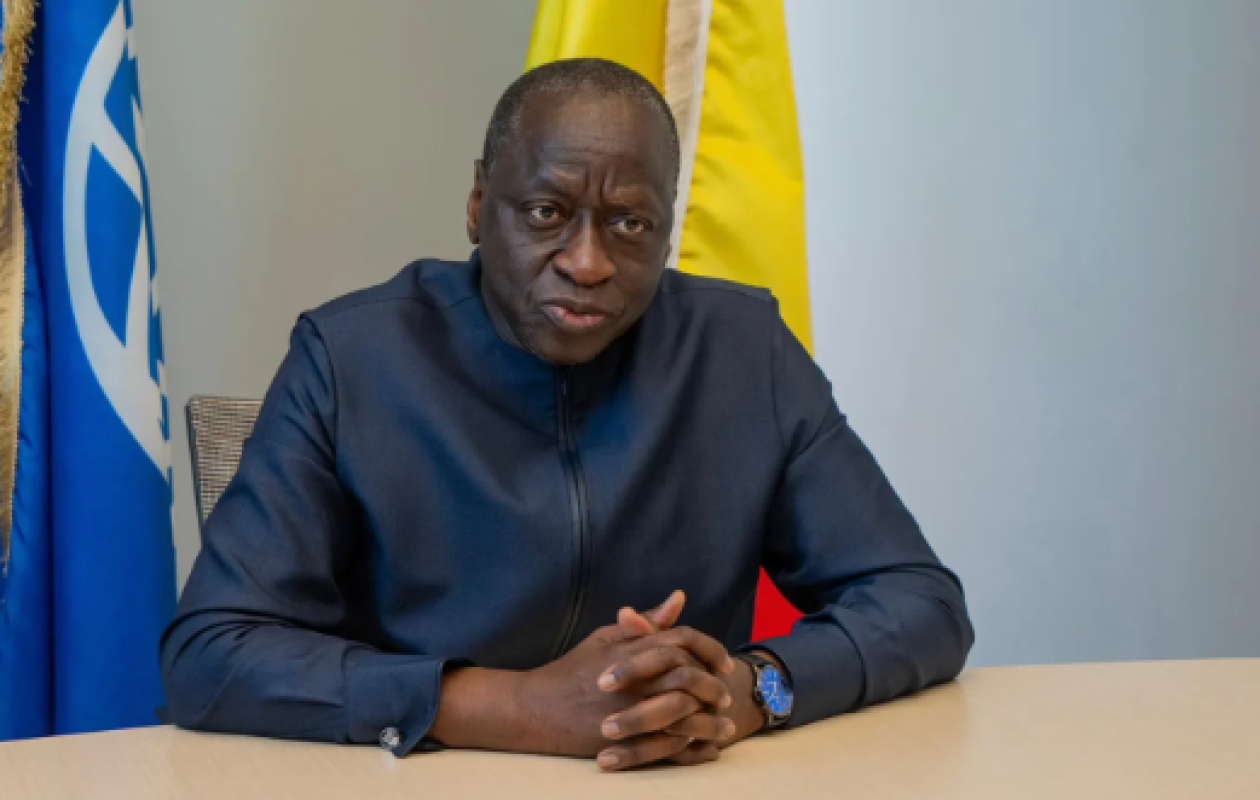
The World Bank's Vice President for West and Central Africa, Ousmane Diagana, met with Senegalese President Bassirou Diomaye Faye in Dakar on Wednesday. The meeting focused on the country's macroeconomic situation and public debt. According to Seneweb, the two parties have reached a significant convergence of views. Diagana stated after the meeting that they had discussed the macroeconomic situation and debt, and their positions have become much closer. He emphasized the need to accelerate the pace of discussions to implement new interventions.
The World Bank has announced four priority areas for its financing in Senegal: protecting vulnerable populations, restoring macroeconomic stability to enhance public finance management credibility, increasing the role of the private sector in economic growth, and continuing funding for strategic sectors. This announcement comes amidst high tensions over Senegal's debt.
Legal Context
The World Bank's financing priorities are set against a backdrop of significant public debt. According to the International Debt Report 2025, published by the World Bank on December 3, multilateral creditors hold 41% of the country's public and guaranteed debt, with the IDA/World Bank contributing 17%. Private creditors account for 40%, while bilateral creditors make up 19%, dominated by China (8%), France (5%), and Japan (1%). The World Bank's announcement is part of a broader effort to address Senegal's debt burden. However, the details of the partnership and associated conditions require careful examination by lawyers and compliance officers.
Why It Matters
The convergence of views between the World Bank and the Senegalese government could lead to a reduction in public debt and easier access to financing for strategic sectors. However, the partnership's terms and conditions must be scrutinized to ensure they align with Senegal's interests. The World Bank's priorities aim to address pressing issues such as poverty and economic instability. As Senegal navigates its debt crisis, the partnership's success will depend on careful management of the agreement's details.
Practical Implications
Le rapprochement entre la Banque mondiale et l'État sénégalais pourrait entraîner une réduction de la dette publique et un accès plus facile aux financements pour les secteurs stratégiques, mais les détails du partenariat et des conditions associées doivent être soigneusement examinés par les avocats et les responsables de conformité.
Source
Source: Original reporting via Seneweb
How does this affect your business?
Get an AI analysis of this article grounded in your jurisdictions, practice areas, and any policy documents you've uploaded to Wansom.
Wansom is AI and can make mistakes.