
Bangladesh Court: Sentences Awami League Leaders to Death for 2024 Uprising
Summary
- Seven senior Awami League leaders, including former ministers Obaidul Quader and Mohammad Ali Arafat, received death sentences in absentia for their roles in suppressing the 2024 uprising.
- The convictions were for crimes against humanity, including murder, and instigating killings, which occurred during a period when approximately 1,400 people died.
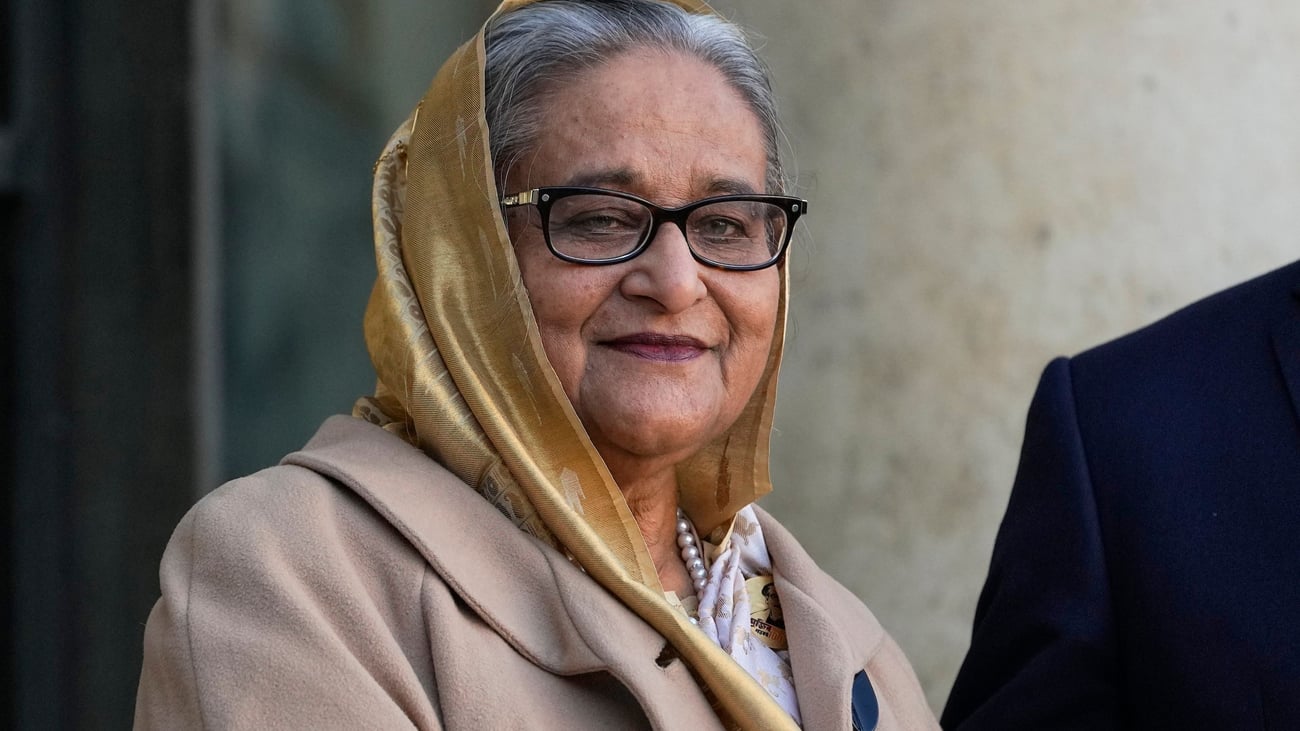
- Former Prime Minister Sheikh Hasina, who fled to India in August 2024, was also sentenced to death in absentia in November 2025 and has refused to recognize the court's authority.
- These sentences are part of broader Bangladesh 2024 uprising trials, which have resulted in 68 convictions and 22 death sentences, though only four of those condemned are currently in custody.
- The current government has requested Hasina's extradition, but she has stated her intention to return voluntarily to Bangladesh in December despite her death sentence.
Awami League Leaders Sentenced to Death
These proceedings carry significant weight for the region, signaling a new era of accountability for former government officials.
A Bangladesh court has handed down death sentences in absentia to seven prominent figures from the former ruling Awami League party, including two former ministers, for their involvement in attempting to quell the 2024 uprising. The convictions, announced on Tuesday, specifically cite crimes against humanity, including murder, and the instigation of killings. Among those condemned are Obaidul Quader, who previously served as the party's general secretary, and former minister Mohammad Ali Arafat. The other five individuals receiving the death penalty are AFM Bahauddin Nasim, Sheikh Fazle Shams Parash, Mainul Hossain Khan Nikhil, Saddam Hussain, and Sheikh Wali Asif Enan.
These severe penalties were delivered by a three-member tribunal presided over by Justice Nazrul Islam Chowdhury. The prosecutor, Md Aminul Islam, publicly expressed satisfaction with the tribunal's decision. The charges relate directly to the government's efforts to suppress a student-led uprising in July and August 2024, during which the United Nations reported approximately 1,400 fatalities. The sentences underscore a significant legal reckoning for leaders associated with the previous administration.
Legal Context and Broader Trials
The legal proceedings have drawn attention to the accountability of high-ranking officials following a change in political power. A state-appointed defense lawyer, M Hasan Imam, argued that the seven men were not directly involved in the killings, suggesting that their convictions stemmed from the actions of fellow activists and supporters, and that a less severe punishment could have been imposed. In addition to the death sentences, the court mandated that half of the assets belonging to five of the convicted individuals be distributed as compensation to the families of those killed or injured during the 2024 uprising.
This recent sentencing contributes to a larger series of Bangladesh 2024 uprising trials. To date, a total of 68 individuals have been convicted in connection with the protests, with 22 of these receiving death sentences. However, only four of those condemned to death are currently in custody. The former Prime Minister, Sheikh Hasina, whose 15-year rule concluded in August 2024 when she fled to India, also faces a death sentence by hanging, issued in absentia in November 2025. She has consistently refused to acknowledge the authority of the court.
Political Implications and Future Outlook
The convictions of these Sheikh Hasina era leaders and the ongoing Bangladesh political trials death sentences highlight a turbulent period of political transition. Following Hasina’s ouster, the government led by Prime Minister Tarique Rahman, which secured a landslide victory in February's elections, has formally requested her extradition from India. Despite the gravity of the death sentence she faces, the 78-year-old Hasina has declared her intention to voluntarily return to Bangladesh in December.
These proceedings carry significant weight for the region, signaling a new era of accountability for former government officials. The trials, particularly those involving high-profile figures like Obaidul Quader and Mohammad Ali Arafat, are being closely watched for their potential to set precedents regarding human rights abuses during political unrest. The legal and political landscape in Bangladesh remains highly charged as the nation grapples with the aftermath of the 2024 uprising and the ongoing efforts to prosecute those deemed responsible.
Practical Implications
This case highlights the significant legal and political risks for high-ranking officials in jurisdictions undergoing political transitions, particularly regarding accountability for human rights abuses. Lawyers advising on international criminal law or political risk in South Asia should monitor these proceedings for precedents on prosecuting former regimes.
Source
Source: Original reporting via AFP
How does this affect you?
Get an AI analysis of this article grounded in your jurisdictions, practice areas, and any policy documents you've uploaded to Wansom.
Finish Reading the Full Story and the Expert Analysis.
Get the latest legal & regulatory intelligence in United States
Wansom is AI and can make mistakes.