
Bakary Sarr: Senegal Calls for Advanced Media Self-Regulation
Summary
- Bakary Sarr, Senegal's Minister of Communication, called for a new phase of media self-regulation.
- He emphasized preventing professional misconduct rather than solely applying sanctions.
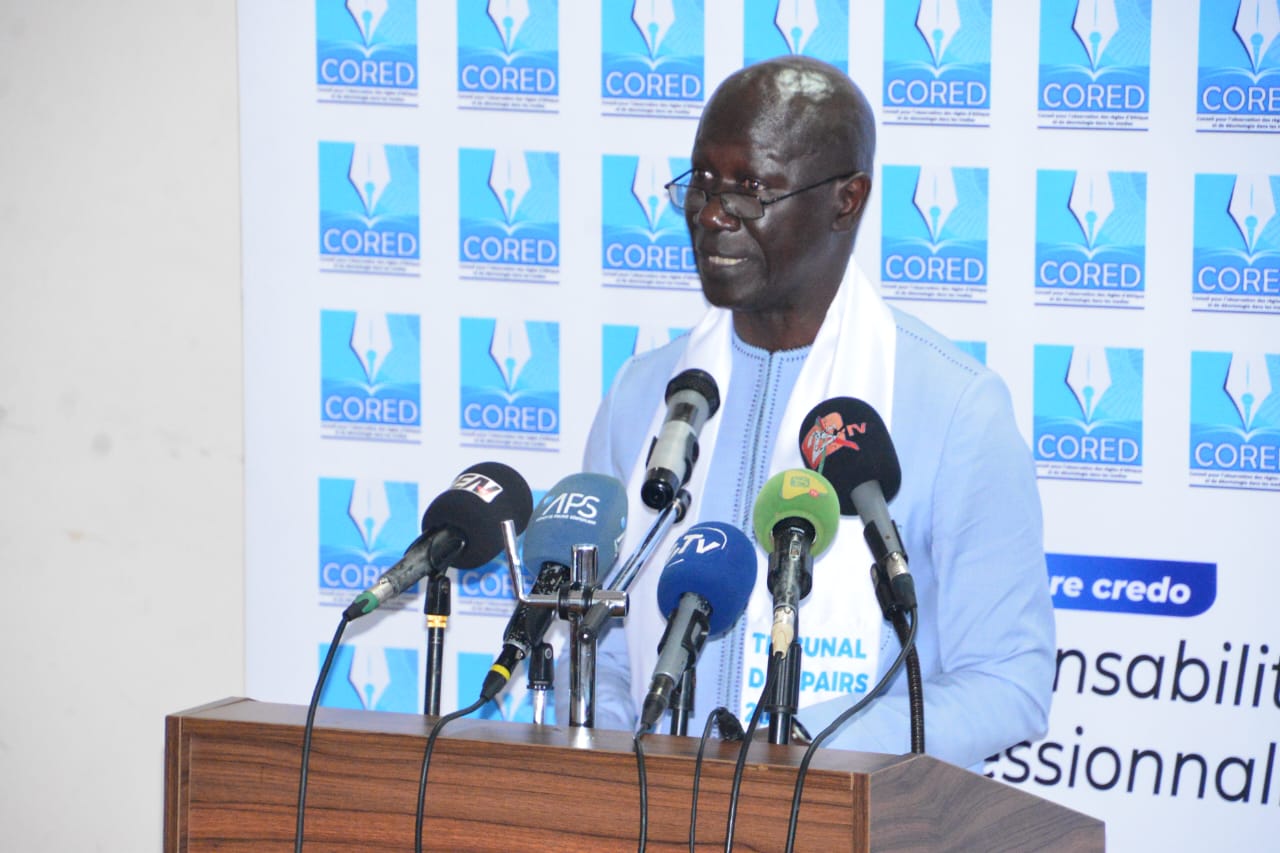
- The Minister made these statements during the installation of the Tribunal des pairs.
- Sarr highlighted that judging a professional act is distinct from judging a person.
- This initiative aims to strengthen journalistic ethics and media professional conduct in Senegal.
A Renewed Focus on Media Self-Regulation
Judging a professional act is not judging a person.
Bakary Sarr, who serves as Senegal's Minister of Communication and Relations with Institutions and is also the government spokesperson, has issued a significant call for a more advanced phase of media self-regulation within the nation. His remarks, delivered during the formal installation of the Tribunal des pairs, underscored a pivotal moment for the country's press landscape. The Minister emphasized the critical responsibilities incumbent upon journalists, urging a proactive approach to professional conduct.
The core of Minister Sarr's message advocated for the prevention of professional misconduct rather than solely focusing on punitive measures after transgressions have occurred. This shift in emphasis signals a desire to cultivate a culture of foresight and ethical vigilance among media practitioners. It highlights an expectation that media entities and their personnel will actively work to uphold standards, thereby minimizing the need for external intervention or retrospective sanctions.
A central tenet of Bakary Sarr's address was the crucial distinction that "Judging a professional act is not judging a person." This statement provides a framework for how ethical oversight bodies, such as the Tribunal des pairs, should operate, focusing their scrutiny on the nature of the professional action itself rather than the individual's character. This nuanced perspective aims to foster an environment where constructive criticism and corrective measures can be applied to professional practices without necessarily condemning the individual journalist.
Upholding Journalistic Ethics in Senegal
The installation of the Tribunal des pairs, an integral component of the Conseil pour l’observation de l’éthique et de la déontologie, provides the institutional backdrop for Minister Bakary Sarr's pronouncements. This body is specifically designed to oversee and ensure adherence to journalistic ethics in Senegal, playing a crucial role in maintaining the integrity and credibility of the media sector. Its mandate involves evaluating professional conduct and upholding the ethical standards expected of all media professionals.
Minister Sarr's intervention serves to reinforce the importance of these self-regulatory mechanisms in shaping media professional conduct in Senegal. By advocating for a "new stage" of self-regulation, he is effectively empowering these internal structures to take a more prominent and preventative role. This approach aligns with international best practices that prioritize self-governance within the media to safeguard press freedom while simultaneously ensuring accountability.
The government's spokesperson's emphasis on prevention over sanction, delivered to the members of the Tribunal des pairs, underscores a commitment to strengthening the internal capacity of the media to manage its own ethical landscape. This collaborative vision aims to foster a robust framework for journalistic ethics in Senegal, where media organizations are encouraged to develop and enforce their own high standards, thereby reducing the necessity for government oversight or intervention.
Implications for Media Professional Conduct
The distinction articulated by Bakary Sarr, that judging a professional act is separate from judging a person, carries significant implications for how media professional conduct is assessed and managed. This principle encourages a focus on the specific actions, decisions, and outputs of journalists and media organizations, rather than personal attacks or character judgments. It promotes an objective evaluation of ethical breaches, allowing for targeted corrective actions that address the professional lapse itself.
This approach is designed to foster a more constructive environment for addressing ethical issues, encouraging self-correction and professional development within the media sector. By concentrating on the act, the Tribunal des pairs and other oversight bodies can provide clearer guidance on acceptable standards and practices, thereby enhancing overall media professional conduct in Senegal. It also helps to depersonalize the process of accountability, making it more about upholding standards than about individual blame.
Ultimately, Minister Sarr's call for a new stage of media self-regulation, coupled with his specific guidance on the nature of ethical judgment, signals a strategic direction for the Senegalese media. It aims to cultivate a resilient and ethically sound press that is capable of self-governance and committed to high standards of journalistic ethics. This initiative is crucial for reinforcing public trust in the media and ensuring its vital role in a democratic society.
Practical Implications
Lawyers advising media entities or journalists in Senegal should note the government's emphasis on media self-regulation and the distinction between judging professional acts versus individuals. This signals a potential shift towards proactive compliance and ethical frameworks within media organizations, requiring legal counsel to review and update internal policies to prevent misconduct rather than solely focusing on post-sanction defense.
Source
How does this affect you?
Get an AI analysis of this article grounded in your jurisdictions, practice areas, and any policy documents you've uploaded to Wansom.
Finish Reading the Full Story and the Expert Analysis.
Get the latest legal & regulatory intelligence in Senegal
Wansom is AI and can make mistakes.