
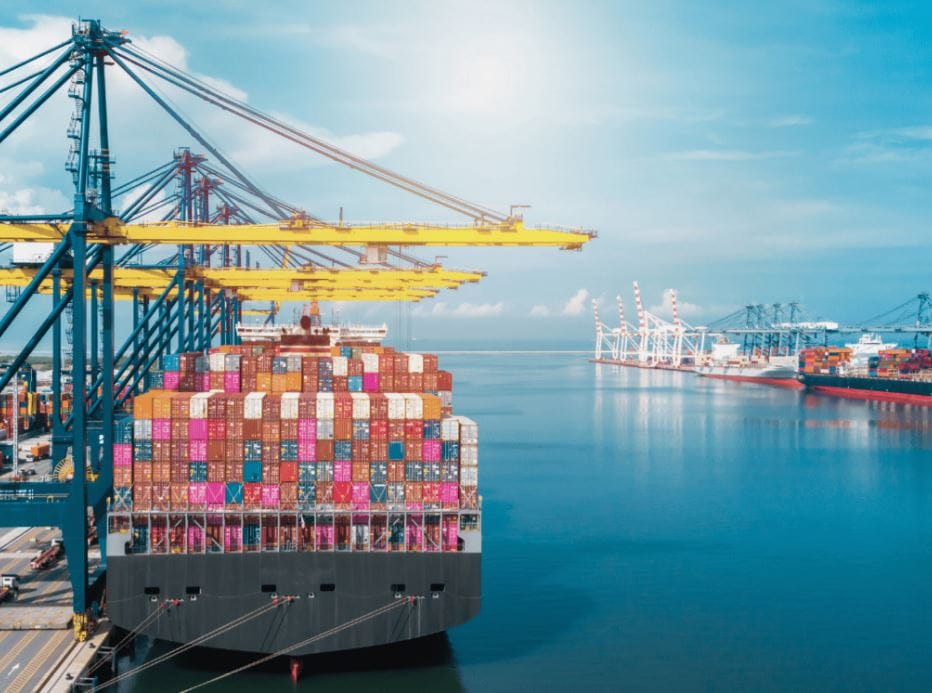
Australian Maritime Safety Authority: Guidelines for Accurate Weight Declarations
Summary
- The Australian Maritime Safety Authority (AMSA) has established guidelines for preparing and transporting cargo and dangerous goods.
- Accurate weight declarations are critical for safe loading and transportation of cargo, with incorrect weights potentially leading to unstable vessels.
- The AMSA's guidelines cover various aspects, including livestock voyage safety guidelines and accurate weight declaration procedures.
What Happened
The accuracy of weight declarations is a critical aspect of these regulations, as it directly impacts the safety of vessels, crew, and cargo.
The Australian Maritime Safety Authority (AMSA) has established guidelines for preparing and transporting cargo and dangerous goods, with a focus on ensuring the safety of vessels, crew, and cargo. These regulations are crucial in preventing accidents and incidents related to the carriage of livestock and weight of cargo containers. The AMSA's guidelines cover various aspects, including accurate weight declarations, which are essential for safe loading and transportation of cargo.
The importance of accurate weight declarations cannot be overstated, as incorrect weights can lead to unstable vessels, compromising safety and potentially resulting in catastrophic consequences. To mitigate these risks, the AMSA has provided detailed instructions on how to calculate accurate weight declarations, taking into account factors such as container size, weight, and cargo density.
Legal Context
The regulations governing the carriage of cargo and dangerous goods are outlined in various Australian laws and standards. The AMSA's guidelines are based on these regulatory requirements, which aim to ensure compliance with international maritime safety standards. The accuracy of weight declarations is a critical aspect of these regulations, as it directly impacts the safety of vessels, crew, and cargo.
The AMSA has also emphasized the importance of adhering to the relevant legislation and standards when preparing and transporting cargo and dangerous goods. This includes ensuring that vessels comply with specific requirements for livestock voyages, which carry unique risks and challenges. By following these guidelines, vessel operators can minimize the risk of accidents and incidents related to cargo transport.
Why It Matters
The AMSA's guidelines for preparing and transporting cargo and dangerous goods are essential for ensuring the safety of vessels, crew, and cargo. Accurate weight declarations are a critical component of these regulations, as they directly impact vessel stability and safety.
Lawyers and compliance officers should review the AMSA's guidelines to ensure that their clients or organizations are meeting all relevant regulatory requirements. This includes adhering to accurate weight declaration procedures, which can have significant safety implications if not done correctly. By prioritizing compliance with these regulations, vessel operators can prevent accidents and incidents related to cargo transport, protecting lives and livelihoods.
Practical Implications
Lawyers and compliance officers should review the Australian Maritime Safety Authority's guidelines for preparing and transporting cargo and dangerous goods to ensure they are meeting all relevant regulatory requirements, particularly in relation to accurate weight declarations which can have significant safety implications.
Source
How does this affect you?
Get an AI analysis of this article grounded in your jurisdictions, practice areas, and any policy documents you've uploaded to Wansom.
Wansom is AI and can make mistakes.