
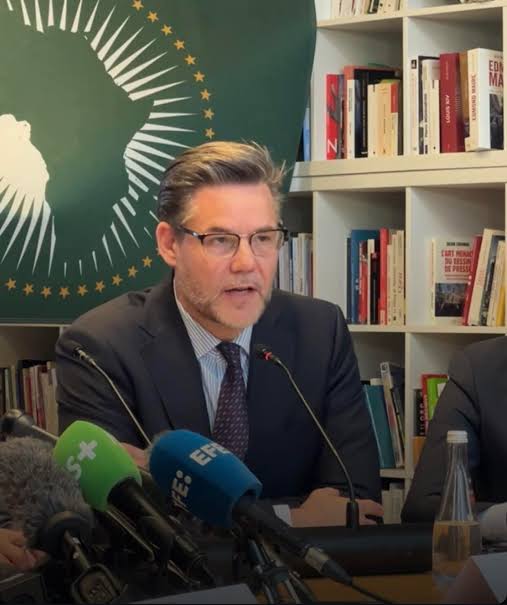
Attorney Vittoz Discusses TAS Impartiality Accusations in Senegal Case
Me Serge Vittoz, counsel for the Senegalese Football Federation, has provided insights into the legal strategy and arguments presented before the Court of Arbitration for Sport (TAS) following a sports victory, specifically addressing accusations of partiality within the arbitration procedure.
This development highlights the critical role of sports arbitration, particularly the TAS, in resolving high-stakes disputes within international sports. For legal practitioners, it underscores the complexities of sports law, the application of specific rules like the Laws of the Game (Loi 5), and the procedural intricacies of arbitration. The discussion around impartiality accusations is particularly significant, as it touches upon fundamental principles of due process and fairness in dispute resolution, which are paramount in any legal system. The outcome of this specific matter is not reported in the excerpt, but the discussion itself is legally significant for understanding the challenges and safeguards in sports arbitration.
The legal context revolves around international sports law, specifically the rules and regulations governing football as set by bodies like FIFA and the Confederation of African Football (CAF), and the procedural rules of the Court of Arbitration for Sport (TAS). The reference to "Loi 5 des Lois du jeu" indicates the application of specific football rules, while the mention of the "jury d’appel de la Confédération africaine de football" points to the internal appeals mechanisms within sports federations that precede TAS arbitration. The core legal principles at play include contractual interpretation (of sports regulations), procedural fairness, and the standard of review applied by arbitral tribunals to decisions made by sports bodies. The accusations of impartiality, while not substantiated in the excerpt, invoke principles of natural justice and the integrity of the arbitral process, which are cornerstones of legitimate dispute resolution.
The key parties are the Senegalese Football Federation, its legal counsel Me Serge Vittoz (and the team of six lawyers led by Me Seydou Diagne), the Court of Arbitration for Sport (TAS), and the Confederation of African Football (CAF) and its appeal jury. These entities represent the various levels of governance and dispute resolution within the international football ecosystem, demonstrating the multi-layered nature of sports legal challenges.
Attorneys practicing in sports law or international arbitration should closely follow such cases to understand the evolving jurisprudence of the TAS, particularly regarding the interpretation of sports regulations and the standards applied when reviewing decisions of sports federations. The emphasis on distinguishing between disciplinary sanctions and situations warranting a change in match results provides a valuable precedent for future arguments. Furthermore, the discussion on impartiality underscores the importance of robust ethical guidelines and transparent procedures in arbitration. Legal professionals should advise sports organizations on proactive measures to ensure compliance with international sports regulations and to prepare for potential disputes, including understanding the avenues for appeal and arbitration. The outcome of this matter is not yet reported, but the strategic legal arguments presented are instructive for practitioners.
How does this affect you?
Get an AI analysis of this article grounded in your jurisdictions, practice areas, and any policy documents you've uploaded to Wansom.
Finish Reading the Full Story and the Expert Analysis.
Get the latest legal & regulatory intelligence in Senegal
Wansom is AI and can make mistakes.