
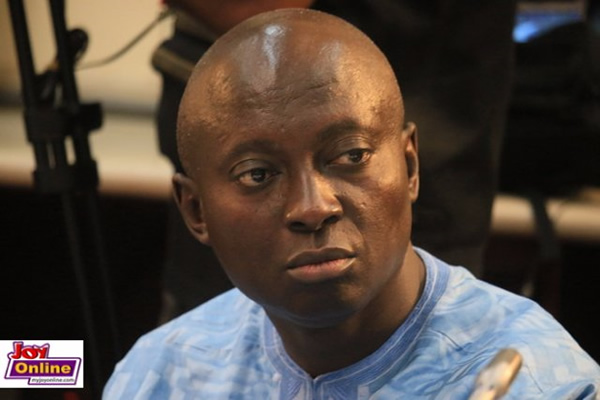
Atta Akyea Questions Ghana Chief Justice's Order to Fast-Track 2 Cases
Summary
- Lawyer Samuel Atta Akyea questioned the Chief Justice's directive to expedite two high-profile criminal cases, including that of his client, former NSB boss Kwabena Adu-Boahene.
- Akyea described the directive as "selective justice," arguing it prioritizes certain cases while numerous other serious criminal matters remain pending.
- He contended that such directives could interfere with established court procedures and the professional commitments of legal counsel.
- Akyea also highlighted the unprecedented national security implications of his client's case, asserting it should not be handled by junior lawyers.
- He vowed not to allow the expedited hearing order to override Ghana's legal traditions and statutory provisions.
Chief Justice's Order Challenged
He firmly stated his refusal to allow the expedited hearing directive to supersede Ghana's established legal traditions, practices, and statutory provisions.
Lawyer Samuel Atta Akyea, representing Kwabena Adu-Boahene, the former head of the National Signals Bureau (NSB), has publicly questioned a directive from the Chief Justice, Paul Baffoe-Bonnie, to fast-track his client's criminal trial alongside another high-profile case. Speaking on Joy News’ PM Express, Mr. Atta Akyea characterized the order as an act of "selective justice," arguing that it unfairly prioritizes certain legal proceedings while numerous other serious criminal cases, including those involving murder, manslaughter, and rape, remain unresolved and pending before the courts.
Mr. Adu-Boahene faces charges related to alleged financial and other offenses stemming from his tenure at the NSB. Mr. Atta Akyea specifically challenged the rationale behind the Chief Justice issuing a directive that mandates judges handling these selected cases to prioritize them for trial. He questioned why these two particular cases were singled out for expedited attention when the broader judicial system grapples with a significant backlog of equally grave matters.
Procedural Interference Concerns
Mr. Atta Akyea expressed significant concern that such directives could disrupt established court procedures and create practical difficulties for legal professionals. He highlighted that lawyers often have pre-existing commitments, which might include international travel for medical reasons, attendance at national bar conferences, or other professional engagements, all of which could be impacted by an unexpected acceleration of a trial.
He firmly stated his refusal to allow the expedited hearing directive to supersede Ghana's established legal traditions, practices, and statutory provisions. Emphasizing his extensive experience in the legal field, Mr. Atta Akyea asserted that he would not permit a single case to undermine the foundational legal frameworks and long-standing customs of the nation's judiciary.
Unprecedented National Security Angle
A crucial aspect of Mr. Atta Akyea's argument centers on the alleged national security implications of his client's case. He contended that since the era of Guggisberg or the Gold Coast, a national security matter has never been subjected to an open trial, making this particular proceeding unprecedented. He warned that proceeding with an open trial in this instance could establish a "dangerous precedent," potentially exposing sensitive "submarine tactics of national security" in a public forum, all "because of one man."
Given the unique and complex nature of the case, particularly its origins from the Attorney General, Mr. Atta Akyea rejected suggestions that junior lawyers from his chambers could adequately represent Mr. Adu-Boahene. He insisted that his specific expertise and experience were indispensable for navigating such an unparalleled legal challenge, explaining that he could not cede space to another lawyer for this critical assignment.
Implications for Judicial Fairness
The lawyer's challenge to the Chief Justice's directive raises broader questions about judicial impartiality and the equitable application of justice within the legal system. By labeling the directive as "selective justice," Mr. Atta Akyea implicitly suggests that prioritizing certain cases over others, especially when numerous serious crimes await trial, could lead to a perception of favoritism or undue influence.
Such actions, even if intended to streamline specific high-profile matters, risk eroding public confidence in the judiciary's commitment to treating all litigants and cases with equal consideration. The debate underscores the tension between the desire for judicial efficiency in prominent cases and the fundamental principle of consistent and fair application of legal processes for everyone.
Source
How does this affect you?
Get an AI analysis of this article grounded in your jurisdictions, practice areas, and any policy documents you've uploaded to Wansom.
Wansom is AI and can make mistakes.