
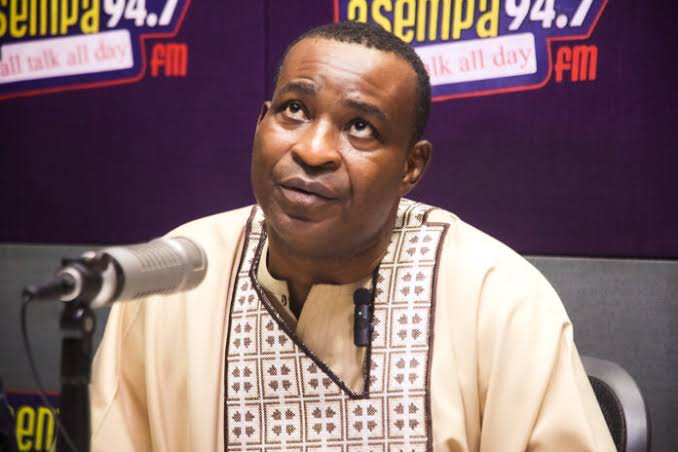
Atta Akyea: Denies Wontumi Galamsey Pardon Request
Summary
- Private legal practitioner Samuel Atta Akyea denied formally seeking a presidential pardon for his client, Bernard Antwi Boasiako, in an illegal mining case.
- Mr. Atta Akyea stated on Accra-based Citi FM that he had not approached President John Dramani Mahama for clemency for the former NPP Ashanti Regional Chairman.
- Despite his denial, Akyea expressed an expectation that President Mahama might consider a pardon for Boasiako, given the widespread nature of galamsey in Ghana.
- His comments followed President Mahama's October 5 decision to grant pardons to 863 convicted persons under Article 72(1) of the 1992 Constitution.
- Akyea suggested the President could factor in the prevalence of illegal mining and the involvement of influential individuals when deciding on such cases.
What Happened
Despite explicitly denying any formal request for clemency, Mr. Atta Akyea indicated he had anticipated President Mahama might extend a pardon to Mr. Boasiako, citing the pervasive nature of illegal mining across the nation.
Private legal practitioner Samuel Atta Akyea has publicly refuted claims that he formally sought a presidential pardon for his client, Bernard Antwi Boasiako, widely known as Chairman Wontumi. The denial came during an interview on Accra-based Citi FM on Tuesday, October 13, where Mr. Atta Akyea unequivocally stated, "No, please. We didn’t do that," when questioned about approaching President John Dramani Mahama for clemency in a galamsey-related matter involving Mr. Boasiako. This statement directly addressed suggestions that he had made such an appeal to the President on behalf of the former New Patriotic Party (NPP) Ashanti Regional Chairman.
Despite explicitly denying any formal request for clemency, Mr. Atta Akyea indicated he had anticipated President Mahama might extend a pardon to Mr. Boasiako, citing the pervasive nature of illegal mining across the nation. He articulated a belief that the President, in his discretion, might consider the widespread involvement in galamsey when evaluating such cases. This expectation, he explained, stemmed from the understanding that illegal mining is a prevalent issue affecting many, including influential figures within the country.
Legal Context of Presidential Pardons
Mr. Atta Akyea's comments arrived shortly after a significant announcement from the Presidency regarding clemency. On October 5, President John Dramani Mahama granted presidential pardons to a substantial number of convicted individuals, specifically 863 persons. This act of clemency was carried out under the authority vested in the President by Article 72(1) of the 1992 Constitution of Ghana, following due consultation with the Council of State.
These pardons were officially declared as part of the commemorative activities marking Ghana’s Independence Anniversary. The constitutional provision allows the President to exercise mercy, offering a mechanism for the state to grant relief from punishment. The timing and scale of these pardons underscore the discretionary power held by the Head of State in Ghana's legal framework, a power that can be influenced by various factors, including national observances.
Discretion and Public Sentiment
The legal practitioner further elaborated on his rationale for expecting a potential pardon for his client, Bernard Antwi Boasiako, despite not having formally sought one. He posited that the sheer scale of galamsey, or illegal mining, in Ghana could influence a presidential decision. Mr. Atta Akyea suggested that the President might be inclined to consider the widespread nature of the offense, and the involvement of various individuals, including those of significant standing, when assessing cases linked to illegal mining.
He expressed a personal view on how such matters might be handled at the highest level, stating, "Even we have some evidence that serious people in the party- that is what their daily bread is all about. I will not use a galamsey-tinted criminal matter to detain a man and let him remain there for 20 years. I’ll grant him pardon." This perspective highlights the complex interplay between legal enforcement, political realities, and the exercise of presidential clemency, particularly in the context of a pervasive national issue like galamsey. It underscores the political considerations and discretionary power involved in presidential pardons under Ghana's Article 72(1).
Practical Implications
This case highlights the political considerations and discretionary power involved in presidential pardons under Ghana's Article 72(1), reminding lawyers to assess the broader context and public sentiment when advising clients on clemency applications, especially for prevalent offenses like illegal mining.
Source
How does this affect you?
Get an AI analysis of this article grounded in your jurisdictions, practice areas, and any policy documents you've uploaded to Wansom.
Finish Reading the Full Story and the Expert Analysis.
Get the latest legal & regulatory intelligence in Ghana
Wansom is AI and can make mistakes.