
ARPTC: Digital Diplomacy Geneva Learnings Shape RDC Policy
Summary
- The ARPTC participated in the CIO Mag Learning Expedition Geneva 2026 from September 22-25, 2026, focusing on digital diplomacy.
- Vice-President Lydie Omanga Dihandju represented the ARPTC as part of an African delegation at the event.
- Key learnings for ARPTC included the international nature of technical rule-making and the importance of the DRC's voice in forums like the ITU.
- The ARPTC recognized that regulation should actively shape markets to encourage investment, competition, and universal access.
- Future regulatory priorities for the ARPTC will encompass AI governance, cybersecurity, and digital trust, aiming to contribute to global digital rule-making.
ARPTC's Engagement in Digital Diplomacy
The Democratic Republic of Congo aims to actively contribute to the formulation of global digital rules, rather than merely being subject to them.
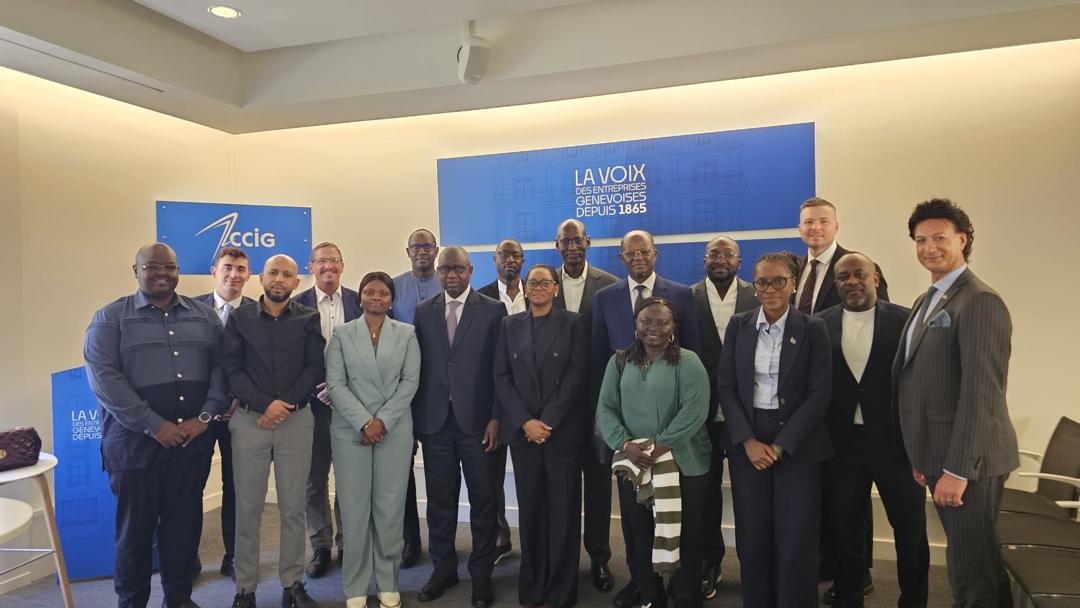
The Autorité de Régulation de la Poste et des Télécommunications du Congo (ARPTC) recently concluded its participation in the CIO Mag Learning Expedition Geneva 2026, an important international forum dedicated to digital diplomacy. From September 22 to 25, 2026, the ARPTC delegation, led by its Vice-President, Ms. Lydie Omanga Dihandju, and accompanied by Ms. Joséphine Kanga Nkonde, engaged with global stakeholders in Geneva.
This event brought together a diverse African delegation comprising regulators, telecommunications operators, academics, and digital enterprises. The primary objective was to immerse participants in the intricacies of digital diplomacy, a critical area for shaping the future of global digital governance. The ARPTC's presence underscored the Democratic Republic of Congo's commitment to understanding and influencing international digital policy.
Defining Digital Diplomacy and its Scope
Digital diplomacy encompasses the comprehensive set of mechanisms through which governments, international organizations, private sector entities, researchers, and civil society collaboratively establish the foundational rules governing the global digital space. This multifaceted concept operates on two distinct levels, both crucial for effective RDC digital regulation policy.
Firstly, 'diplomacy by digital' refers to the strategic utilization of digital tools and platforms to advance public action and policy objectives. Secondly, 'diplomacy of digital' involves the negotiation and formulation of regulations pertaining to critical areas such as connectivity, cybersecurity, digital platforms, and artificial intelligence. These two dimensions highlight the complex interplay between technology and international relations, directly impacting Congo telecommunications policy.
Key Learnings for Congo's Digital Future
During extensive discussions with prominent international bodies, including the International Telecommunication Union (ITU), the World Intellectual Property Organization (WIPO), the World Trade Organization (WTO), and CERN, the ARPTC delegation garnered significant ARPTC digital diplomacy Geneva learnings. A key takeaway was the international nature of technical rule-making; decisions concerning spectrum allocation, satellite orbits, and technical standards are primarily forged in global forums like the ITU. This emphasizes the imperative for the DRC and the broader African continent to assert their voice effectively in these critical negotiations.
Furthermore, the ARPTC recognized that regulation extends beyond mere oversight; it is a powerful instrument for shaping markets. Regulators are tasked with fostering an environment conducive to investment, promoting healthy competition, and ensuring universal access to digital services. Tools such as GEMS and the ITU-D's G5 Accelerator were highlighted as valuable resources for informing these strategic regulatory choices. The discussions also underscored that satellite access is fundamentally a market issue, advocating for multi-operator, interoperable, and affordable frameworks that complement terrestrial networks while safeguarding consumer interests.
Addressing Emerging Challenges and Global Connectivity
The expedition also brought into sharp focus the centrality of artificial intelligence and digital trust as pivotal challenges for the foreseeable future. Effective AI regulation DRC, robust cybersecurity measures, preparedness for post-quantum technologies, and comprehensive data protection frameworks all necessitate enhanced cooperation among regulatory bodies worldwide. These areas are expected to significantly influence future ARPTC regulatory initiatives.
With an estimated 2.2 billion individuals globally still lacking internet access, the overarching goal for nations like the Democratic Republic of Congo is to actively contribute to the formulation of global digital rules, rather than merely being subject to them. The ARPTC is poised to integrate these vital ARPTC digital diplomacy Geneva learnings into its ongoing work, aiming to proactively shape the digital landscape for the benefit of its citizens and the wider region.
Practical Implications
Lawyers and compliance officers in the DRC's telecommunications and digital sectors should monitor future ARPTC regulatory initiatives and policy statements, particularly concerning market shaping, satellite access frameworks, AI governance, and digital trust, as these will likely be influenced by the international 'digital diplomacy' discussions and learnings highlighted in this report.
Source
How does this affect you?
Get an AI analysis of this article grounded in your jurisdictions, practice areas, and any policy documents you've uploaded to Wansom.
Finish Reading the Full Story and the Expert Analysis.
Get the latest legal & regulatory intelligence in DR Congo
Wansom is AI and can make mistakes.