
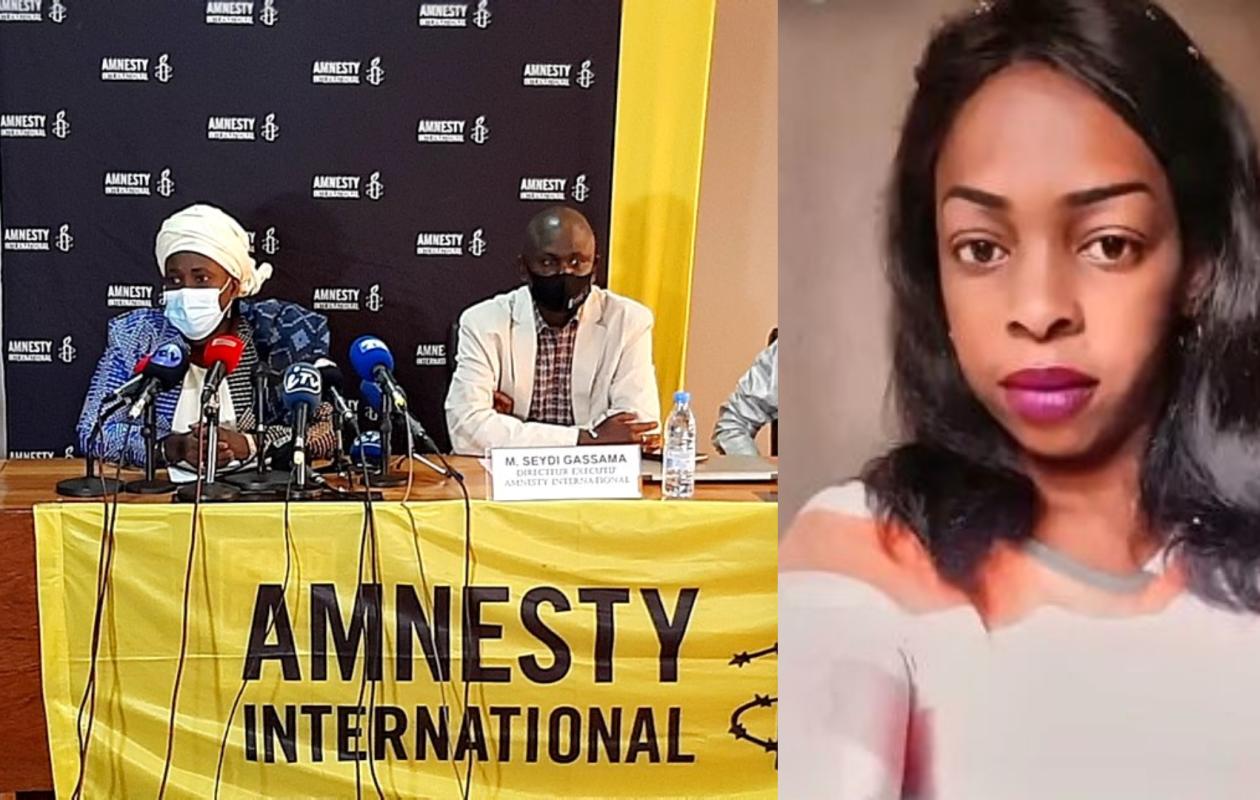
Amnesty Sénégal: Demande Loi Féminicide Après Mort Astou Pierre
Summary
- Astou Pierre died after an acid attack by her ex-boyfriend, an incident classified as a "féminicide" by Amnesty International Sénégal.
- This case is reportedly the 11th publicized femicide in Senegal in 2026, following a threat made to Astou Pierre.
- Oumy Sadio Sow of Amnesty International Sénégal denounces a failure in victim protection and demands immediate safety for threatened women.
- Amnesty International Sénégal is advocating for a specific law against femicide to enhance protection des femmes Sénégal.
- A legal professional, Me Moussa Sarr, has expressed preliminary support for a dedicated femicide offense in Senegal.
The Tragic Case of Astou Pierre
The demand for a specific loi féminicide reflects a belief that existing laws do not sufficiently deter or punish these crimes, nor do they offer comprehensive protection des femmes Sénégal.
The tragic death of Astou Pierre, who succumbed after being burned with acid by her former partner, has ignited renewed calls for stronger protections against gender-based violence in Senegal. Oumy Sadio Sow, who oversees women's and child protection programs at Amnesty International Sénégal, characterized this incident as a "féminicide." This particular case marks what has been reported as the eleventh publicized instance of such violence in 2026, highlighting a disturbing pattern. The attack followed a chilling threat made to Astou Pierre by her ex-boyfriend: "you will be no one's wife."
This devastating event underscores a critical failure in the mechanisms designed to safeguard vulnerable individuals. Amnesty International Sénégal, through Oumy Sadio Sow, has vocally condemned the apparent shortcomings in the current system, asserting that the existing framework provides insufficient security for women facing threats. The organization's immediate response to Astou Pierre's death has been to demand urgent action to prevent similar tragedies.
A Call for Dedicated Legislation
In the wake of Astou Pierre's death, Amnesty International Sénégal has intensified its advocacy, specifically calling for the swift implementation of a dedicated law against femicide. Oumy Sadio Sow emphasized the necessity of such législation to address the specific nature of these gender-motivated killings, arguing that current legal provisions are inadequate. The organization insists that women under threat must be immediately removed from danger and provided with secure environments, pointing to a significant défaut protection victimes violences.
The demand for a specific loi féminicide reflects a belief that existing laws do not sufficiently deter or punish these crimes, nor do they offer comprehensive protection des femmes Sénégal. This legislative push aims to create a robust legal framework that would not only facilitate the prosecution of perpetrators but also establish more effective preventative measures and support systems for potential victims. The urgency of this appeal is amplified by the recurring nature of such incidents.
The Broader Context of Gender-Based Violence
The incident involving Astou Pierre is not isolated but rather indicative of a persistent challenge concerning violences faites aux femmes across Senegal. The call for a nouvelle loi violences faites aux femmes has garnered support, with legal professionals like Me Moussa Sarr expressing preliminary favor for establishing a specific offense for femicide. This indicates a growing recognition within legal circles of the need for specialized legal tools to combat this form of violence.
Amnesty International Sénégal's advocacy extends beyond individual cases, consistently highlighting systemic issues. For instance, feminist organizations previously engaged the prosecutor following the death of Nogaye Thiam in 2025, citing "non-assistance to a person in danger." Such actions, alongside Amnesty's broader efforts to ensure protection des femmes Sénégal, underscore the ongoing struggle to hold authorities accountable and to improve the safety of women. The repeated calls for legislative reform and better protection mechanisms emphasize the critical importance of addressing these societal failures.
Practical Implications
Lawyers and compliance officers in Senegal should monitor legislative developments concerning gender-based violence, specifically the potential introduction of a dedicated law against femicide, as this could impact legal frameworks for prosecution and victim protection. This also signals increased scrutiny on existing protection mechanisms for vulnerable individuals.
Source
How does this affect you?
Get an AI analysis of this article grounded in your jurisdictions, practice areas, and any policy documents you've uploaded to Wansom.
Finish Reading the Full Story and the Expert Analysis.
Get the latest legal & regulatory intelligence in Senegal
Wansom is AI and can make mistakes.