
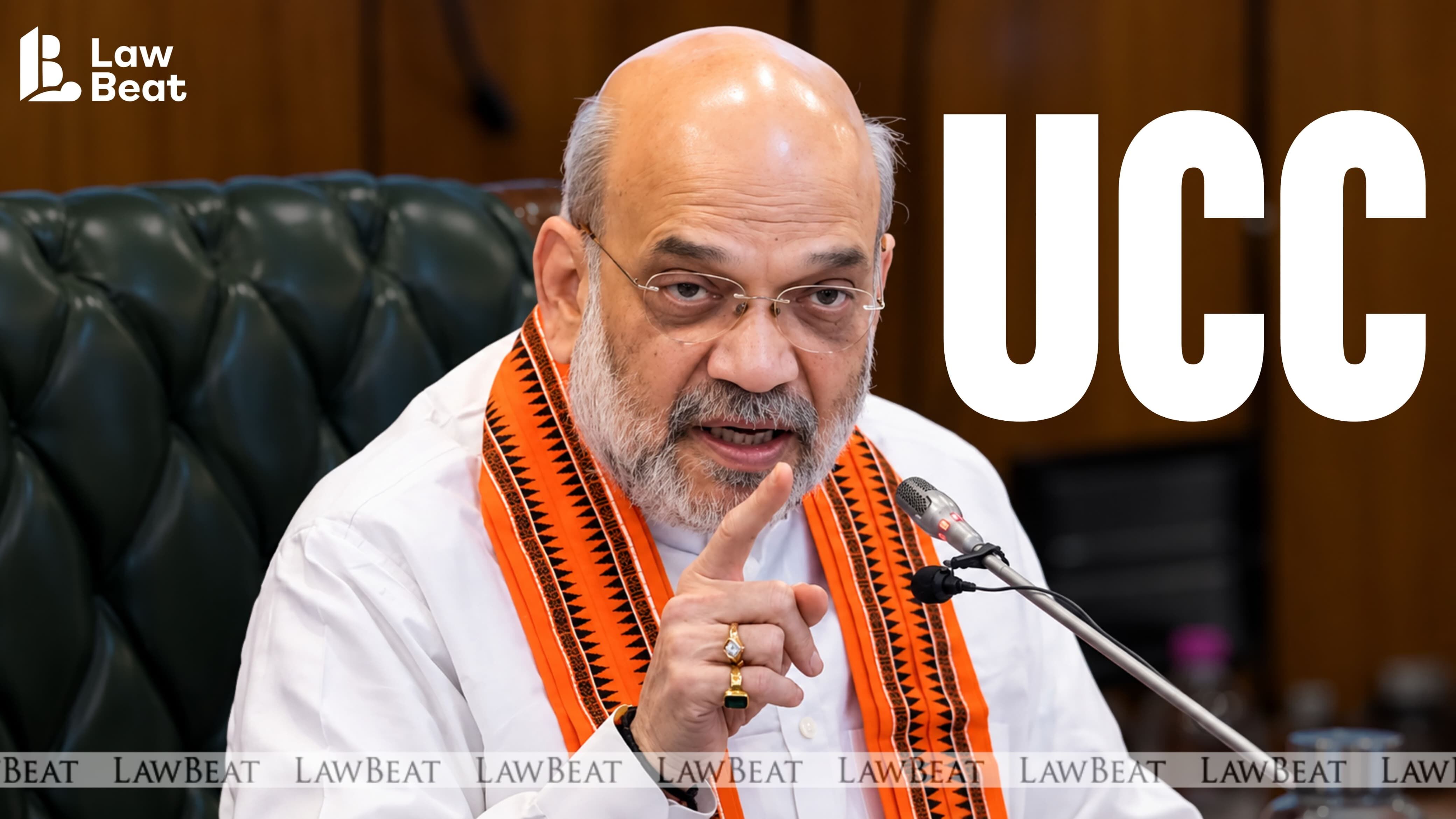
Amit Shah: UCC 2029 Deadline Set for All NDA States
Summary
- Union Home Minister Amit Shah has set a 2029 deadline for the Uniform Civil Code's implementation across all 21 BJP-NDA ruled states.
- The UCC aims to standardize personal laws concerning marriage, divorce, inheritance, and adoption, irrespective of religion.
- Uttarakhand is the only state where a UCC is currently in force, while Gujarat, Assam, and Madhya Pradesh have passed relevant legislation.
- State-level UCC bills, such as those in Assam and Madhya Pradesh, consistently include exemptions for tribal communities.
- The implementation strategy involves individual state legislation rather than a single central law, with other BJP-ruled states also considering frameworks.
A National Mandate for Uniform Civil Code
The UCC's fundamental objective is to establish uniformity in personal laws, encompassing critical areas such as marriage, divorce, inheritance, and adoption, thereby transcending religious distinctions.
Union Home Minister Amit Shah has declared a definitive deadline of 2029 for the implementation of the Uniform Civil Code (UCC) across all 21 states governed by the BJP-led National Democratic Alliance (NDA). Speaking to media in Mumbai, Shah articulated the government's ambitious plan to introduce this common framework for personal laws before the upcoming 2029 Lok Sabha elections. He expressed strong confidence that any remaining NDA-ruled states would adopt the UCC within this specified timeframe, building on the progress already seen in several regions.
The UCC's fundamental objective is to establish uniformity in personal laws, encompassing critical areas such as marriage, divorce, inheritance, and adoption, thereby transcending religious distinctions. This initiative represents a core, long-standing commitment of the BJP, prominently featured in its 2024 Lok Sabha election manifesto. Shah also highlighted the abolition of triple talaq as a significant prior step towards ensuring equal rights for Muslim women, framing it as a precedent for broader reforms under the UCC.
Diverse Approaches to State-Level Implementation
The strategic rollout of the Uniform Civil Code is proceeding through individual state-level legislation rather than a singular central enactment. Uttarakhand currently stands as the only state where a UCC is fully operational, having brought its version into force in January 2025. This comprehensive code in Uttarakhand covers a wide array of personal law matters, including marriage, divorce, inheritance, succession, and live-in relationships. The state has also proactively amended its laws and rules to address procedural and implementation challenges, further establishing an official online portal to manage registrations and services related to these domains.
Following Uttarakhand's pioneering efforts, other BJP-ruled states have advanced their own UCC legislation. Gujarat, for instance, passed its UCC Bill in March, though its full implementation awaits the completion of necessary procedural steps. Assam's UCC Bill, enacted in May, provides a unified framework for marriage, divorce, succession, and live-in relationships, notably incorporating an exemption for Scheduled Tribes. Madhya Pradesh became the latest state to clear such legislation in July. Its bill mandates the registration of marriages, guarantees equal inheritance rights for both men and women, and regulates live-in relationships. Similar to Assam, it also excludes tribal communities and requires Presidential assent before it can officially take effect.
Exemptions, Strategy, and Future Outlook
A notable and consistent feature across the state-level UCC legislation, particularly evident in the bills passed by Assam and Madhya Pradesh, is the deliberate exemption of tribal communities. Union Home Minister Amit Shah has publicly clarified that this exclusion is rooted in the government's intention to respect and avoid interference with the distinct customary laws, traditions, and practices inherent to these indigenous populations.
Despite the BJP and NDA currently governing 21 states and Union Territories, the overarching implementation strategy favors this decentralized, state-by-state approach over a single national law. This method allows for regional nuances and phased introduction. Beyond the states that have already passed legislation, several other BJP-ruled regions, including Maharashtra, Chhattisgarh, and West Bengal, are actively engaged in considering or developing their own frameworks for a Uniform Civil Code. The operational complexity of such a code is underscored by the administrative machinery required, as demonstrated by Uttarakhand's functional UCC portal, which facilitates various registrations and services across personal law domains. This phased, state-specific rollout sets a clear trajectory for significant legal reform across a substantial portion of India by the 2029 deadline.
Practical Implications
Lawyers advising clients on personal law, family law, or succession planning in India, particularly within NDA-ruled states, must closely track the accelerated state-level implementation of the Uniform Civil Code. The 2029 deadline necessitates proactive monitoring of legislative changes and their varying implications across jurisdictions, especially concerning marriage, divorce, inheritance, and live-in relationships.
Source
Source: Based on recent media reports.
How does this affect you?
Get an AI analysis of this article grounded in your jurisdictions, practice areas, and any policy documents you've uploaded to Wansom.
Finish Reading the Full Story and the Expert Analysis.
Get the latest legal & regulatory intelligence in India
Wansom is AI and can make mistakes.