
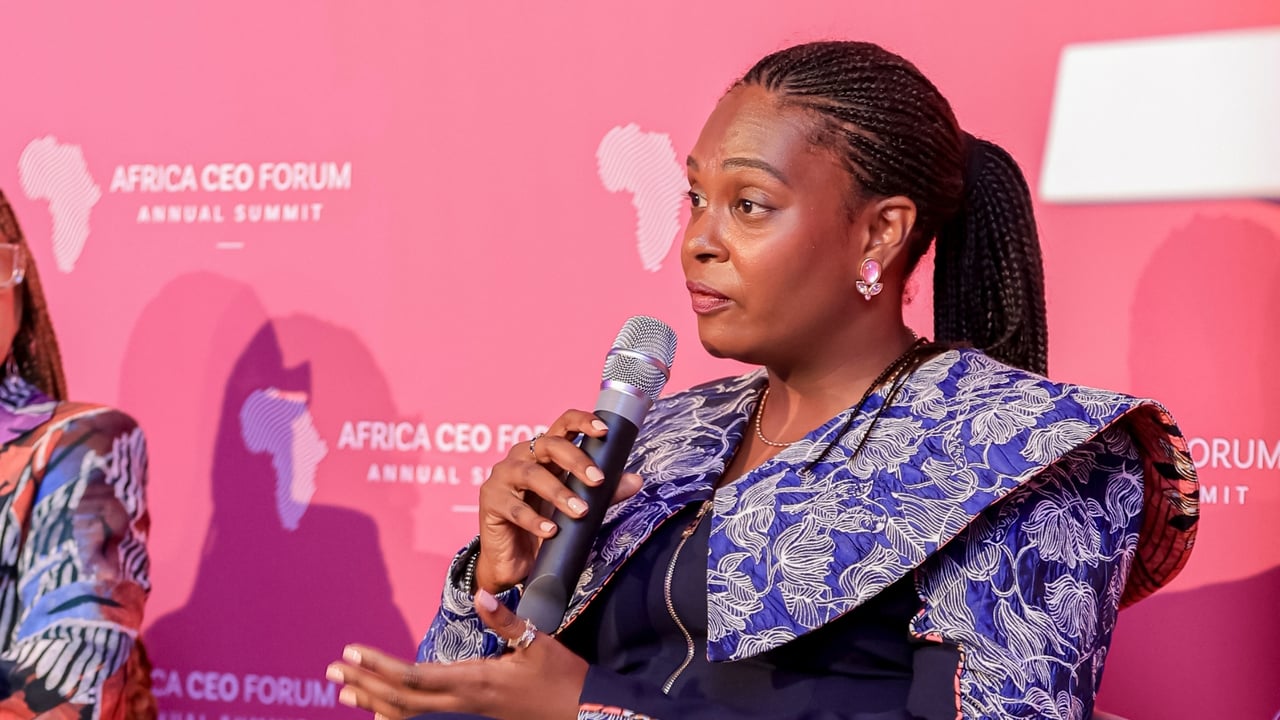
Senegal: Aminata Kane Warns of Regulatory Hurdles for Fintech Expansion
Summary
- Aminata Kane, senior vice president of Visa for West and Central Africa, has highlighted taxation and regulatory hurdles as major obstacles to mobile payments expansion in Francophone Africa.
- The GSMA reported a 26% increase in mobile financial transactions in Sub-Saharan Africa in 2025, but complex taxation and interoperability issues hinder growth.
- Kane cited taxes applied to mobile operations in Mali and Senegal as examples of these challenges, which can lead to a decline in transaction volumes and slow down electronic payment adoption.
- Visa's mobile money development efforts aim to address some of these issues, particularly for merchant payments, international transfers, credit, and micro-insurance.
What Happened
The regulation of fintech in the region is 'a bit more constraining' than in other areas.
Aminata Kane, senior vice president of Visa for West and Central Africa, has highlighted the challenges facing fintech regulation in Francophone Africa. According to Kane, taxation and regulatory hurdles are major obstacles to the expansion of mobile payments in the region. The GSMA reported that Sub-Saharan Africa accounted for 1,417 billion dollars in mobile financial transactions in 2025, a 26% increase from previous years. This growth is hindered by complex taxation and interoperability issues, which can lead to a decline in transaction volumes and slow down electronic payment adoption.
Kane specifically cited the taxes applied to mobile operations in Mali and Senegal as examples of these challenges. She emphasized that these levies can quickly reduce the number of transactions and hinder the spread of electronic payments. The CENTIF report on electronic money tracing also highlighted the complexity of tracking transactions in the region, which is exacerbated by the rapid expansion of digital currencies.
Visa's mobile money development efforts aim to address some of these issues, particularly for merchant payments, international transfers, credit, and micro-insurance.
Legal Context
The regulatory environment in Francophone Africa is complex and nuanced. Kane noted that the regulation of fintech in the region is 'a bit more constraining' than in other areas. This suggests that policymakers are taking a more stringent approach to regulating fintech companies, which can have both positive and negative consequences for innovation and adoption.
The GSMA's report on mobile financial transactions highlights the growth potential of the sector in Sub-Saharan Africa. However, this growth is threatened by regulatory hurdles and taxation issues. Lawyers advising clients on mobile payments or fintech expansion in Francophone Africa should be aware of these challenges and work with policymakers to address them.
The CENTIF report's findings on electronic money tracing also underscore the need for clearer regulations and standards in the region. This will require close collaboration between governments, regulators, and industry stakeholders to ensure that fintech companies can operate effectively while minimizing risks.
Why It Matters
The regulatory challenges facing fintech in Francophone Africa have significant implications for the growth of mobile payments and electronic payment adoption. If left unaddressed, these issues could lead to a decline in transaction volumes and slow down innovation in the sector.
Lawyers advising clients on mobile payments or fintech expansion in the region should prioritize understanding these challenges and working with policymakers to address them. By doing so, they can help create a more conducive regulatory environment that supports the growth of fintech companies and promotes financial inclusion in Francophone Africa.
Practical Implications
Lawyers advising clients on mobile payments or fintech expansion in Francophone Africa should be aware of the regulatory challenges highlighted by Aminata Kane, including complex taxation and interoperability issues, which may impact transaction volumes and electronic payment adoption.
Source
How does this affect you?
Get an AI analysis of this article grounded in your jurisdictions, practice areas, and any policy documents you've uploaded to Wansom.
Wansom is AI and can make mistakes.