
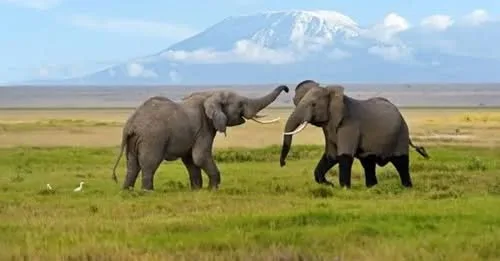
Kenya: Four Held in Amboseli Elephant Cyanide Poisoning Arrests
Summary
- Four suspects have been arrested in connection with the deaths of 18 elephants in Kenya's Amboseli ecosystem.
- Preliminary laboratory findings suggest the elephants likely died from cyanide poisoning, possibly due to ingesting pesticide-contaminated tomatoes.
- Investigators recovered various chemicals, believed to be from a neighboring country, during searches in Loitoktok Sub-County.
- Tourism and Wildlife Cabinet Secretary Rebecca Miano stated that while arrests have been made, criminal culpability must be established through legal processes.
- The government is reinforcing wildlife protection measures and calling for increased collaboration among stakeholders to safeguard Kenya's wildlife heritage.
Investigation Uncovers Suspects in Amboseli Elephant Deaths
Anyone established to have unlawfully killed, poisoned, or harmed wildlife would be prosecuted in accordance with the law.
Four individuals have been taken into custody as part of an intensive investigation into the deaths of 18 elephants within Kenya's Amboseli ecosystem. These arrests follow preliminary laboratory findings that strongly suggest cyanide poisoning as the probable cause of death for these animals. The initial cluster of fifteen elephant fatalities was documented between June 24 and July 24, prompting a swift and comprehensive response from the Kenya Wildlife Service (KWS) alongside various security, investigative, and scientific agencies.
Authorities have since undertaken extensive field investigations, laboratory analyses, and environmental sampling to ascertain the precise circumstances surrounding the tragic incidents. The multi-agency effort underscores the gravity with which the Kenyan government views these wildlife losses, particularly given the suspected method of poisoning. The ongoing probe aims to gather all necessary evidence to determine culpability and prevent future occurrences of such wildlife crime.
Cyanide Poisoning Suspected, Chemicals Recovered
Initial laboratory results indicate the likely involvement of a toxic substance, with early signs pointing to cyanide poisoning. Investigators believe this may have resulted from the elephants ingesting pesticide-contaminated tomatoes, potentially sourced from agricultural farms situated in close proximity to wildlife habitats. While these findings provide a crucial lead in the Amboseli elephant deaths investigation, officials caution that they remain subject to further scientific verification before the investigation can be considered complete.
Beyond the four arrests, investigators are actively pursuing an additional individual believed to possess pertinent information related to the case. A search operation conducted in Tikondo, Kimana, within Loitoktok Sub-County, led to the recovery of assorted substances. These materials, which include chemicals suspected to have originated from a neighboring country, have been secured for thorough scientific analysis. This recovery is a significant development in understanding the potential supply chain of the toxic agents used.
Government Vows Strict Enforcement and Collaboration
Tourism and Wildlife Cabinet Secretary Rebecca Miano issued a statement emphasizing the government's commitment to a thorough and lawful process. While acknowledging the arrests and recovery of exhibits, she cautioned against prematurely concluding criminal culpability, asserting that the government would allow investigative and judicial processes to reach their rightful conclusion. Miano affirmed that anyone found to have unlawfully killed, poisoned, or harmed wildlife would face prosecution in accordance with Kenyan law, signaling a strong stance against Kenya wildlife poisoning charges.
Secretary Miano underscored that the elephant deaths transcend a mere wildlife issue, representing a national concern for both conservation and security. In response, the government is reinforcing measures to safeguard wildlife across all these ecosystems, strengthening intelligence-led protection, surveillance, scientific investigation, law enforcement, and rapid response in vulnerable areas. She also called for enhanced cooperation among government agencies, local communities, landowners, conservancies, and other stakeholders, recognizing that wildlife frequently traverses community, private, and agricultural landscapes, making collaboration indispensable for effective protection.
Broader Implications for Wildlife Conservation
Cabinet Secretary Miano commended the communities surrounding Amboseli for their crucial cooperation, recognizing them not as passive beneficiaries but as indispensable partners and primary guardians of Kenya's rich wildlife heritage. This emphasis highlights the vital role local populations play in the success of conservation efforts and the prevention of wildlife crime prosecution Kenya.
The government, as articulated in Rebecca Miano's wildlife statement, remains steadfast in its commitment to pursuing every credible line of inquiry while simultaneously bolstering preventive and enforcement measures. Kenyans and the international conservation community have been assured of the government's unwavering dedication to safeguarding every species of wildlife across all landscapes and seascapes where they exist, reinforcing the long-term vision for wildlife protection.
Practical Implications
Lawyers advising clients in agricultural sectors or those operating near wildlife habitats in Kenya should note the heightened enforcement and investigative focus on wildlife poisoning, particularly concerning the use of pesticides. This case signals potential for stringent prosecution under wildlife protection laws, requiring clients to review their environmental compliance and chemical handling protocols to mitigate legal exposure.
Source
How does this affect you?
Get an AI analysis of this article grounded in your jurisdictions, practice areas, and any policy documents you've uploaded to Wansom.
Wansom is AI and can make mistakes.