
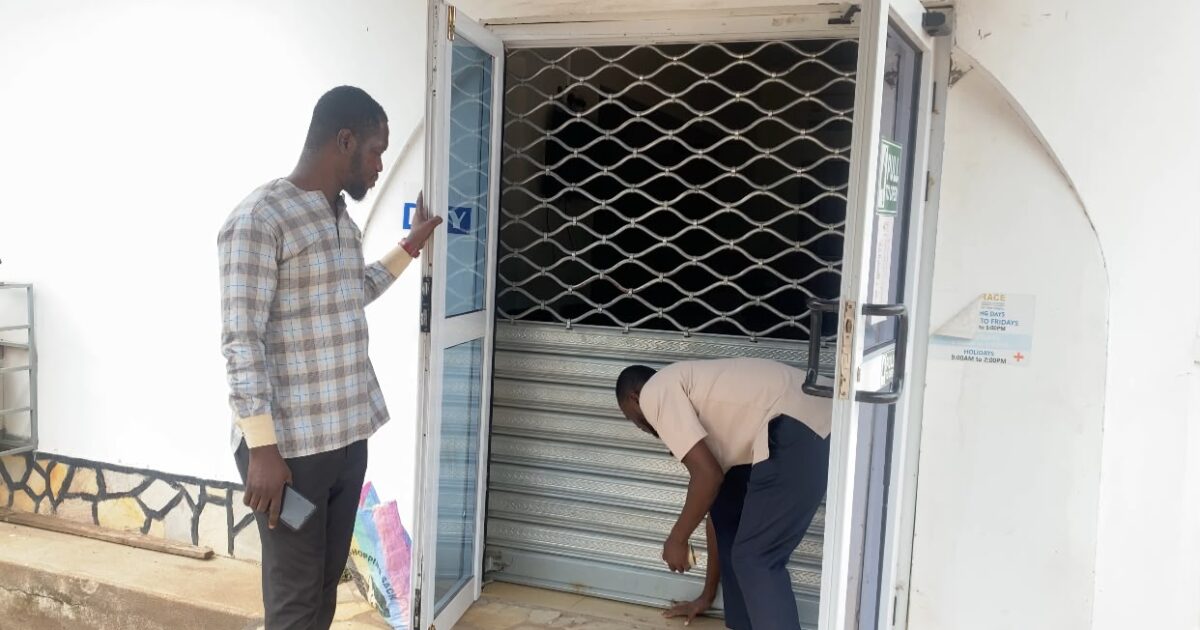
Allied Health Professions Council GH: Shuts Down Six Facilities for Safety Breaches
Summary
- The Allied Health Professions Council has shut down six health facilities in the Ho Zonal Area due to safety breaches.
- The affected facilities failed to meet basic regulatory and safety standards, including lacking approved Standard Operating Procedures (SOPs).
- The closure highlights a critical issue in Ghana's healthcare sector: non-compliance with regulatory standards.
- The Council is engaging practitioners to develop and implement required protocols to improve patient safety and outcomes.
- Lawyers and compliance officers should monitor the Allied Health Professions Council's actions to ensure their clients' facilities are compliant with regulatory standards.
Safety Breaches Spark Facility Closures
Without documented protocols for service delivery and medical equipment operation, regulators cannot establish whether patients are receiving safe and effective treatment.
The Allied Health Professions Council has taken decisive action to protect patients in the Ho Zonal Area, shutting down six health facilities that failed to meet basic regulatory and safety standards. The affected facilities - Grace Diagnostic Center, Eagles Lancet and Imaging Center, RD Access Laboratories, Elysa Diagnostic, Professional Eye Care, and Bestlab Diagnostic - were found wanting during compliance inspections conducted by the Council. These inspections are part of a broader effort to ensure that allied health facilities operate in line with approved standards.
The absence of approved Standard Operating Procedures (SOPs) at several of these facilities raises serious concerns about patient safety and quality of care. Without documented protocols for service delivery and medical equipment operation, regulators cannot establish whether patients are receiving safe and effective treatment.
Regulatory Gaps Exposed
The closure of the six health facilities highlights a critical issue in Ghana's healthcare sector: the lack of adherence to regulatory standards. The Allied Health Professions Council has identified a pattern of non-compliance, with many facilities operating without proper SOPs. This not only puts patients at risk but also undermines efforts to provide safe and quality healthcare.
The Council's Registrar, Professor Issahaku Shirazu, emphasizes the importance of Standard Operating Procedures in ensuring patient safety. Without these protocols, regulators cannot guarantee that facilities are using appropriate equipment and procedures, compromising patient care.
A Call for Enhanced Oversight
The Allied Health Professions Council's actions demonstrate a commitment to strengthening oversight of allied health facilities. The compliance exercise is part of a broader effort to ensure safe and quality healthcare delivery in Ghana. By engaging practitioners and supporting them to develop and implement required protocols, the Council aims to improve patient safety and outcomes.
Lawyers and compliance officers should take note of these developments, as they underscore the importance of regulatory compliance in the healthcare sector. Ensuring that facilities meet approved standards is crucial for maintaining public trust and confidence in the system.
Practical Implications
Lawyers and compliance officers should monitor the Allied Health Professions Council's actions to ensure their clients' facilities are compliant with regulatory standards, particularly regarding Standard Operating Procedures (SOPs) for service delivery and medical equipment operation.
Source
How does this affect you?
Get an AI analysis of this article grounded in your jurisdictions, practice areas, and any policy documents you've uploaded to Wansom.
Wansom is AI and can make mistakes.