
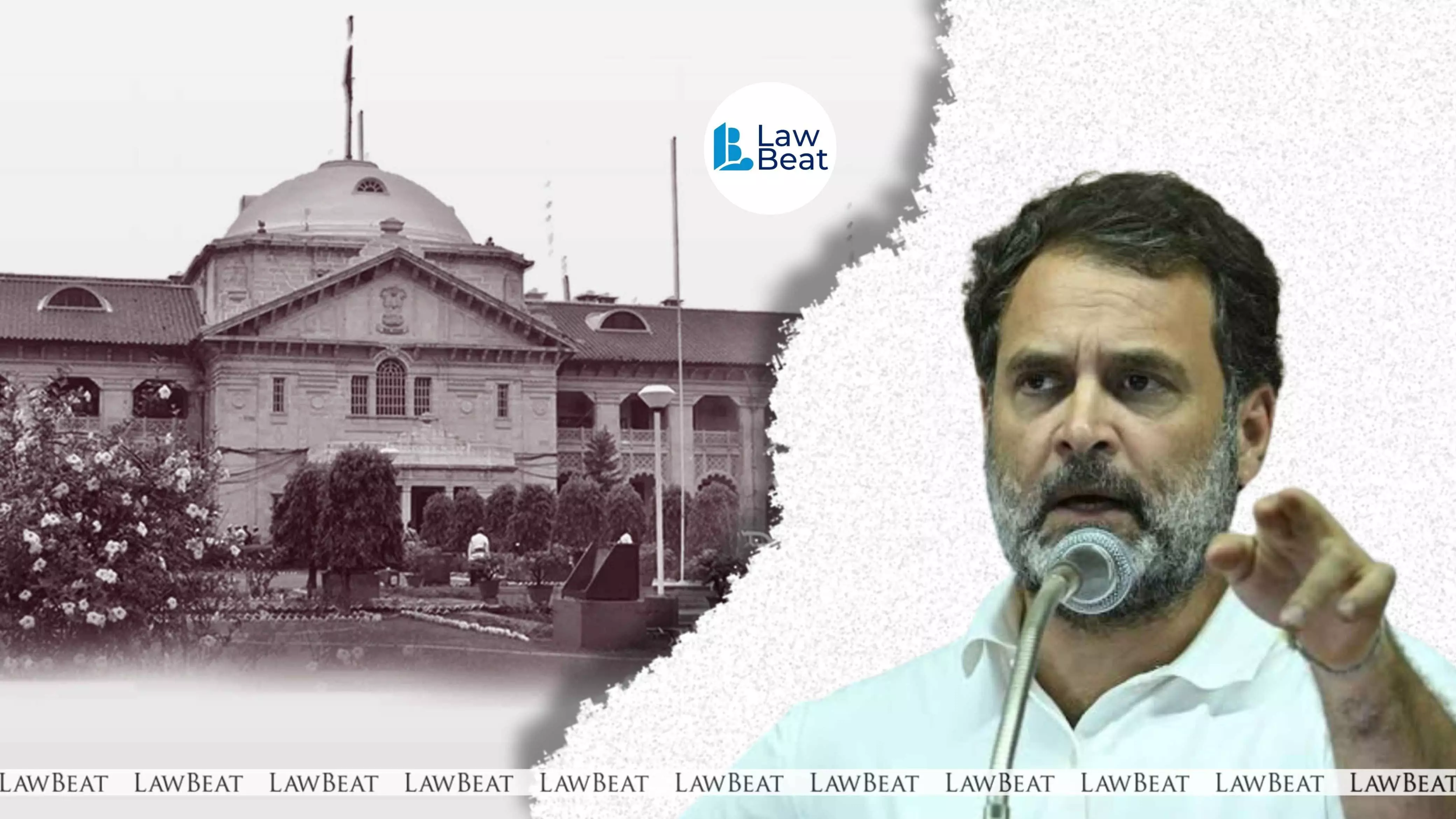
Allahabad High Court: No FIR for Rahul Gandhi on 152 BNS Sikh Remarks
Summary
- The Allahabad High Court dismissed a plea to register an FIR against Rahul Gandhi over his remarks concerning Sikh insecurity.
- The court ruled that Gandhi's statements did not disclose an offense under Section 152 of the Bharatiya Nyaya Sanhita (BNS).
- His remarks were deemed protected by the fundamental right to freedom of speech and expression under Article 19(1)(a).
- The bench emphasized that criminal prosecution cannot be founded on mere suspicion, requiring concrete proof of an offense.
- The court suggested that controversial statements by elected representatives should be addressed through parliamentary debate and public discourse, not criminal charges.
High Court Dismisses FIR Plea Against Rahul Gandhi
The court determined that these statements did not constitute a cognizable offense under Section 152 of the Bharatiya Nyaya Sanhita (BNS) and were instead protected by the fundamental right to freedom of speech and expression, enshrined in Article 19(1)(a) of the Constitution.
The Allahabad High Court recently rejected a petition seeking the registration of a First Information Report (FIR) against Congress leader and Leader of the Opposition in Lok Sabha, Rahul Gandhi. The plea concerned remarks made by Gandhi regarding the alleged insecurity faced by Sikhs in India. The court determined that these statements did not constitute a cognizable offense under Section 152 of the Bharatiya Nyaya Sanhita (BNS) and were instead protected by the fundamental right to freedom of speech and expression, enshrined in Article 19(1)(a) of the Constitution.
Justice Vikram D. Chauhan, presiding over the bench, emphasized that merely raising concerns about the security of a particular societal segment, especially when articulated by elected representatives, might not amount to an offense under Section 152 of BNS, 2023. This ruling clarifies the high threshold required for initiating criminal proceedings based on speech, particularly when it involves public figures addressing societal issues.
The Genesis of the Legal Challenge
The application before the Allahabad High Court was filed by Nageshwar Mishra and another individual under Section 528 of the Bharatiya Nagarik Suraksha Sanhita (BNSS). This challenge aimed to overturn previous orders issued by Varanasi courts that had declined to direct the registration of an FIR against Mr. Gandhi. Specifically, the plea contested orders dated July 9, 2026, from the Additional Sessions Judge, Court No. 5, Varanasi, and October 17, 2025, from the Additional Chief Judicial Magistrate, Court No. 4 (MP/MLA), Varanasi.
The initial complaint, lodged by Mishra on September 26, 2024, under Section 173(4) of BNSS before the Judicial Magistrate (Second), Varanasi, sought an FIR against Gandhi under Sections 147, 148, and 152 of the BNS. This application referenced a speech Gandhi delivered during his 2024 visit to the USA, where he spoke of an atmosphere of insecurity among Sikhs in India, questioning their ability to wear turbans or visit Gurudwaras. Mishra had also pointed to terrorist Gurpatwant Singh “Pannu” endorsing these remarks as correct, suggesting their inflammatory nature. While the magistrate initially dismissed the application due to the absence of prior Central Government sanction under Section 208 BNSS, a revisional court subsequently set aside this decision, remanding the matter for fresh consideration.
Judicial Scrutiny of Speech and Offense
The High Court meticulously examined the scope of Section 152 of the Bharatiya Nyaya Sanhita, which criminalizes actions that intentionally or knowingly incite secession, armed rebellion, subversive activities, or imperil India's sovereignty, unity, and integrity through various forms of communication. The court found that the applicants' assertion that Gandhi's speech fell under this offense was based purely on suspicion, lacking any substantive material foundation or supporting circumstances.
Underscoring a fundamental legal principle, the court stated that suspicion alone cannot serve as the basis for criminal prosecution. It clarified that while suspicion implies something might have occurred, proof requires evidence demonstrating that it must have happened, emphasizing that even strong suspicion cannot replace concrete proof. The bench further noted that even if statements made by an elected representative are perceived as inaccurate or unsubstantiated, the appropriate response lies within parliamentary debate and public discourse, rather than resorting to criminal prosecution. The court observed that "the truth may be ascertained through the free contest of ideas or thoughts."
Upholding Freedom of Expression for Public Figures
The Allahabad High Court's decision reinforces the robust protection afforded to freedom of speech, particularly for elected representatives. The court acknowledged that an elected official raising concerns on foreign soil, while potentially viewed by some as an impropriety or a departure from established parliamentary traditions, does not automatically transform such speech into a criminal offense. This perspective highlights a crucial distinction between political impropriety and a legally cognizable crime.
This ruling sets a significant precedent by prioritizing constitutional safeguards under Article 19(1)(a) over mere allegations of potential harm, especially when dealing with the speech of public figures. It underscores that for criminal proceedings to commence under stringent provisions like Section 152 BNS, there must be clear evidence of an actual offense, not just a perceived deviation from expected conduct or unsubstantiated fears.
Practical Implications
This ruling clarifies the high threshold for initiating criminal proceedings under Section 152 of the Bharatiya Nyaya Sanhita (BNS) for speech, particularly when made by elected representatives. Lawyers advising clients on freedom of speech issues, especially those in public office, should note that the court prioritizes protection under Article 19(1)(a) and requires a clear cognizable offense, not mere suspicion, before criminal prosecution can proceed, even for potentially 'improper' remarks.
Source
How does this affect you?
Get an AI analysis of this article grounded in your jurisdictions, practice areas, and any policy documents you've uploaded to Wansom.
Wansom is AI and can make mistakes.