
Allahabad High Court: No 2-Year Gap for Second Maternity Leave
Summary
- Dr Monday O. Ubani, a senior advocate of Nigeria, has intervened in the debate over educational credentials submitted by candidates for the 2027 presidential election.
- The constitutional requirement is educational attainment up to School Certificate level or its equivalent, not the production of original certificates.
- Courts, not INEC, determine claims of forgery related to educational credentials.
- A university degree is sufficient to meet the constitutional requirement, but candidates may need to address potential forgery claims if challenged by INEC.
What Happened
The constitutional requirement for presidential candidates is not the production of original certificates but rather proof of having attained an education level equivalent to School Certificate.
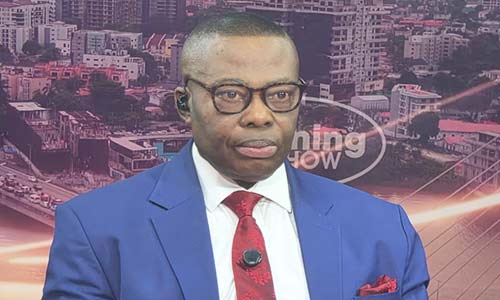
Senior Advocate of Nigeria and constitutional lawyer, Dr Monday O. Ubani, has weighed in on the debate over educational credentials submitted by candidates for the 2027 presidential election. In a statement, Ubani clarified that the constitutional requirement is educational attainment up to School Certificate level or its equivalent. This clarification comes as a response to ongoing discussions about the validity of certain candidates' educational qualifications.
Ubani's intervention highlights the importance of understanding the constitutional requirements for presidential candidates in Nigeria. The lawyer emphasized that courts, not the Independent National Electoral Commission (INEC), determine claims of forgery related to educational credentials.
Legal Context
The debate over educational qualifications is a critical aspect of the 2027 presidential election. According to Ubani, the constitutional requirement for presidential candidates is not the production of original certificates but rather proof of having attained an education level equivalent to School Certificate. This distinction is crucial in understanding the role of INEC and the courts in verifying candidates' credentials.
In Nigeria's electoral system, INEC is responsible for ensuring that candidates meet the constitutional requirements. However, if a candidate's educational qualifications are challenged, it is the courts that ultimately determine the validity of such claims. Ubani's clarification underscores the importance of this distinction in navigating the complex web of electoral laws and regulations.
Why It Matters
The implications of Ubani's intervention extend beyond the 2027 presidential election. Lawyers advising candidates on the election should take note that a university degree is sufficient to meet the constitutional requirement, but may need to be prepared to address potential forgery claims if challenged by INEC. This highlights the importance of understanding the nuances of electoral law and the role of the courts in resolving disputes related to candidates' credentials.
The debate over educational qualifications also raises broader questions about the relevance of education in presidential politics. As Nigeria prepares for its next presidential election, Ubani's clarification serves as a reminder that the constitutional requirements must be carefully considered in order to ensure a fair and transparent electoral process.
Practical Implications
Lawyers advising candidates on the 2027 presidential election should note that a university degree is sufficient to meet the constitutional requirement, but may need to be prepared to address potential forgery claims if challenged by INEC.
Source
How does this affect your business?
Get an AI analysis of this article grounded in your jurisdictions, practice areas, and any policy documents you've uploaded to Wansom.
Wansom is AI and can make mistakes.