
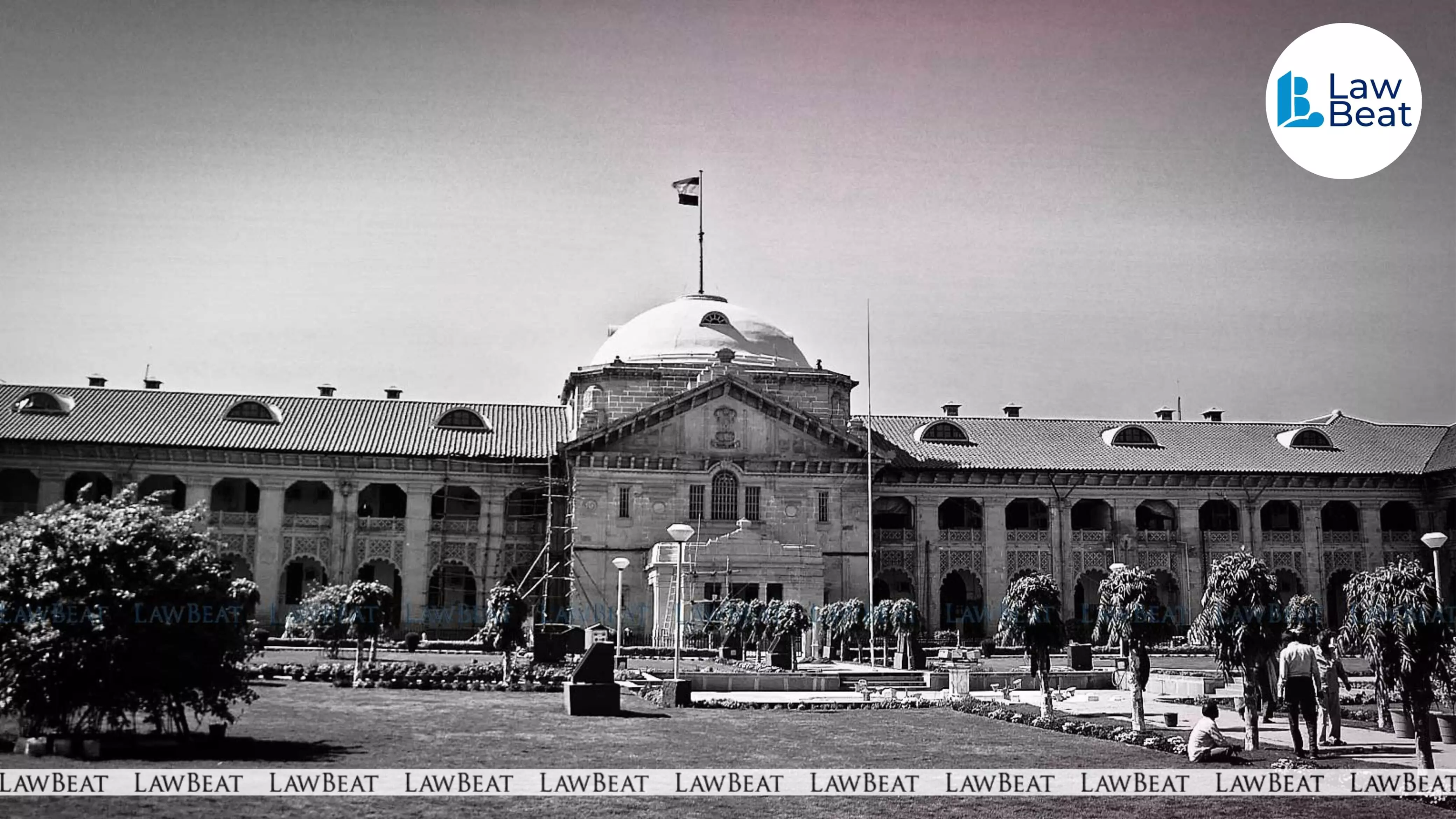
Allahabad High Court: Recommends Juvenile Age 16 for Justice Act
Summary
- The Allahabad High Court has recommended that the legislature consider reducing the minimum age for juveniles to 16 years.
- This recommendation by Justice Abdul Shahid's bench cited observations from the Kerala High Court regarding the maturity of 16-year-olds.
- The suggestion arose during the dismissal of an appeal by a juvenile, aged 17 years and six months at the time of the incident, accused of dacoity and murder.
- The court declined to address the juvenile's claim of illegal detention, noting it was not raised in the lower court.
- This judicial push could lead to a significant amendment to the Juvenile Justice Act, 2015, impacting how 16-18 year olds are prosecuted.
Court Recommends Lowering Juvenile Age
The Allahabad High Court has formally requested that the legislature consider amending the minimum age for juveniles under existing justice laws, proposing a reduction to 16 years.
The Allahabad High Court has formally requested that the legislature consider amending the minimum age for juveniles under existing justice laws, proposing a reduction to 16 years. This significant recommendation emerged from a ruling by a bench led by Justice Abdul Shahid, which referenced prior observations from the Kerala High Court concerning the maturity levels of 16-year-olds. The court's suggestion was made while it was dismissing an appeal lodged by a juvenile accused of severe offenses.
The appellant in question was approximately 17 years and six months old when the alleged crimes of dacoity and murder occurred. The court's decision to flag the debate over the juvenile age limit underscores a growing judicial sentiment regarding the appropriate legal classification for older minors involved in serious criminal acts. This development could pave the way for a re-evaluation of the Juvenile Justice Act 2015 amendment provisions.
Precedent and Legal Framework
The Allahabad High Court's recommendation draws directly from a recent observation by the Kerala High Court in the case of Vinod Vikraman Pillai v. State of Kerala and Others. In that instance, the Kerala High Court had suggested that lawmakers contemplate reducing the age of juveniles in conflict with the law from 18 to 16 years, citing the "sufficient maturity attained by children upon reaching 16 years." This earlier judicial commentary provides a crucial backdrop for the current call for juvenile age reduction India.
The existing legal framework, primarily governed by the Juvenile Justice (Care and Protection of Children) Act, 2015, currently defines a juvenile as anyone under 18 years of age. The Allahabad High Court's endorsement of the Kerala High Court's view, particularly in the context of a heinous offense like juvenile dacoity murder, highlights a potential shift in judicial interpretation regarding culpability and developmental maturity for adolescents.
Case Details and Legal Arguments
The specific case that prompted the Allahabad High Court's recommendation involved allegations of dacoity and murder stemming from an incident on July 26, 2022. The appellant was accused of participating in the murder of Shubham alias Mrigendra, the brother of the informant, Ajendra alias Bharat. The Juvenile Justice Board, in an order dated May 17, 2023, determined the appellant's age to be 17 years, six months, and 20 days at the time of the incident, thereby declaring him a juvenile. Subsequently, his case was transferred to a children's court for trial as an adult.
The juvenile had appealed against a May 5, 2026 order from the Additional District and Sessions Judge/Special Judge, POCSO, Baghpat, which rejected his second bail application. His counsel contended that he was falsely implicated, had no specific role, no incriminating articles were recovered, and he lacked criminal antecedents. Furthermore, the defense argued that despite his juvenile status, he had been held in a regular jail for approximately four-and-a-half years instead of an observation home, citing Sections 10, 12(3), and 19(3) of the Juvenile Justice Act, 2015, and a Supreme Court judgment to seek compensation for alleged illegal confinement.
Conversely, Senior Advocate D.R. Chaudhary, representing the informant, argued that the appellant had already surpassed 21 years of age, thus validating his current detention in a regular jail. He also informed the court that the prosecution's evidence had concluded, and the trial was on the verge of judgment, with the recording of the accused's statement under Section 313 of the Code of Criminal Procedure having been scheduled for November 17, 2026. The High Court, however, chose not to address the claim of illegal detention in this particular appeal, noting that the issue had not been raised before the children's court during the consideration of his second bail application.
Implications for Juvenile Justice
The Allahabad High Court's explicit call for legislative consideration regarding the juvenile age 16 threshold, echoing the Kerala High Court's stance, signals a significant moment for juvenile justice in India. This judicial push for a potential Juvenile Justice Act 2015 amendment reflects a growing debate on whether the current age limit accurately reflects the maturity and accountability of adolescents involved in serious crimes.
Should the legislature act on this recommendation, it could lead to a fundamental alteration of how individuals aged 16 to 18 are prosecuted and treated within the criminal justice system, particularly for heinous offenses like juvenile dacoity murder. This development underscores the ongoing evolution of legal thought surrounding youth culpability and rehabilitation.
Practical Implications
Lawyers practicing criminal defense, particularly those representing minors, should monitor potential legislative amendments to the Juvenile Justice Act, 2015, following the Allahabad High Court's recommendation to reduce the juvenile age to 16. This development could significantly alter the legal framework for prosecuting individuals aged 16-18, impacting defense strategies and sentencing.
Source
How does this affect you?
Get an AI analysis of this article grounded in your jurisdictions, practice areas, and any policy documents you've uploaded to Wansom.
Finish Reading the Full Story and the Expert Analysis.
Get the latest legal & regulatory intelligence in India
Wansom is AI and can make mistakes.