
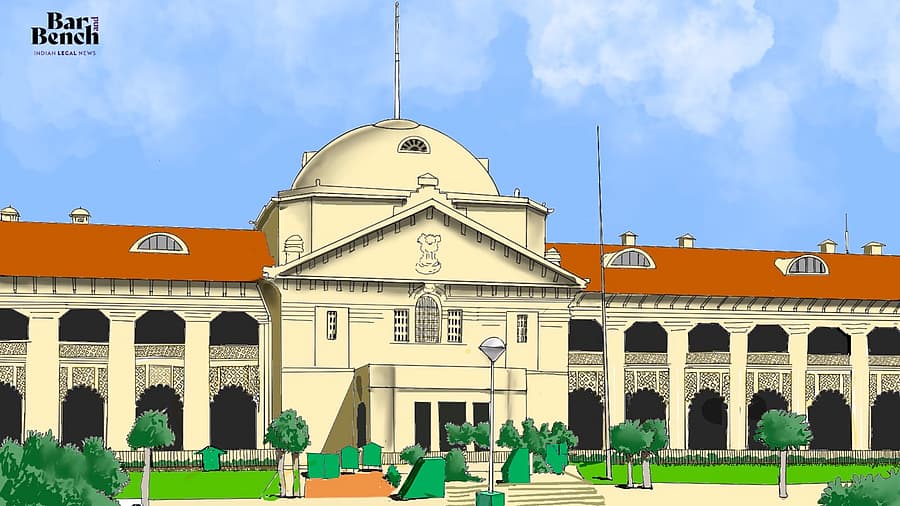
Allahabad High Court: No Illegal Construction in Religious Cities UP
Summary
- The Allahabad High Court expressed concern that development trajectories of Indian cities are being indirectly shaped by construction lobbies colluding with political authorities.
- Unauthorized construction in North India's sacred sites is a product of organized, politically facilitated, and economically motivated illegality.
- India lacks strong institutional will to act against powerful vested interests without fear or favor.
- The Court's ruling highlights the risks associated with regulatory capture and institutional complaisance for lawyers and compliance officers.
What Happened
Unauthorized construction in these cities is not simply a product of poverty or ignorance; it is, in significant measure, a product of organized, politically facilitated, economically motivated illegality that has been allowed to accumulate over decades through a combination of institutional complaisance, regulatory capture, and political patronage.
The Allahabad High Court has sounded a warning bell regarding the development trajectories of Indian cities, particularly those with significant religious importance. In a recent ruling, Justice Vinod Diwakar expressed concern that these cities are being indirectly shaped by the interests of construction lobbies colluding with political authorities. This trend is evident in North India's sacred sites such as Mathura, Varanasi, Ayodhya, Prayagraj, and Vrindavan.
The Court observed that this collusion has taken on an especially virulent form in these cities due to the immense commercial value of land located near these revered locations. The Bench noted that unauthorized construction is not merely a result of poverty or ignorance but rather a product of organized, politically facilitated, and economically motivated illegality that has accumulated over decades through institutional complaisance, regulatory capture, and political patronage.
Legal Context
The Court's ruling highlights the need for strong, selfless, and incorruptible institutional will among authorities to act against powerful vested interests without fear or favor. India does not lack laws to prevent these illegalities; however, the implementation of these laws is often hindered by the very same interests that benefit from the unauthorized construction. The Court's observation underscores the importance of regulatory capture and institutional complaisance in facilitating development that prioritizes profits over planning norms.
The Allahabad High Court's ruling has significant implications for lawyers and compliance officers, who must be aware of the risks associated with regulatory capture and institutional complaisance. These risks may expose clients to non-compliance risks and potential liabilities.
Why It Matters
The Allahabad High Court's ruling has far-reaching consequences for the development trajectories of Indian cities, particularly those with significant religious importance. If left unchecked, the builder-bureaucrat nexus will continue to prioritize profits over planning norms, leaving future generations without the means to undo the damage. The Court's warning highlights the need for a more nuanced approach to development that balances economic growth with environmental and social concerns.
The ruling also underscores the importance of transparency and accountability in governance. By exposing the collusion between construction lobbies and political authorities, the Court has shed light on the need for stronger institutional will and regulatory frameworks to prevent unauthorized construction.
Practical Implications
Lawyers and compliance officers should be aware that the Allahabad High Court's ruling highlights the risk of regulatory capture and institutional complaisance, which may expose clients to non-compliance risks and potential liabilities.
Source
How does this affect your business?
Get an AI analysis of this article grounded in your jurisdictions, practice areas, and any policy documents you've uploaded to Wansom.
Wansom is AI and can make mistakes.