
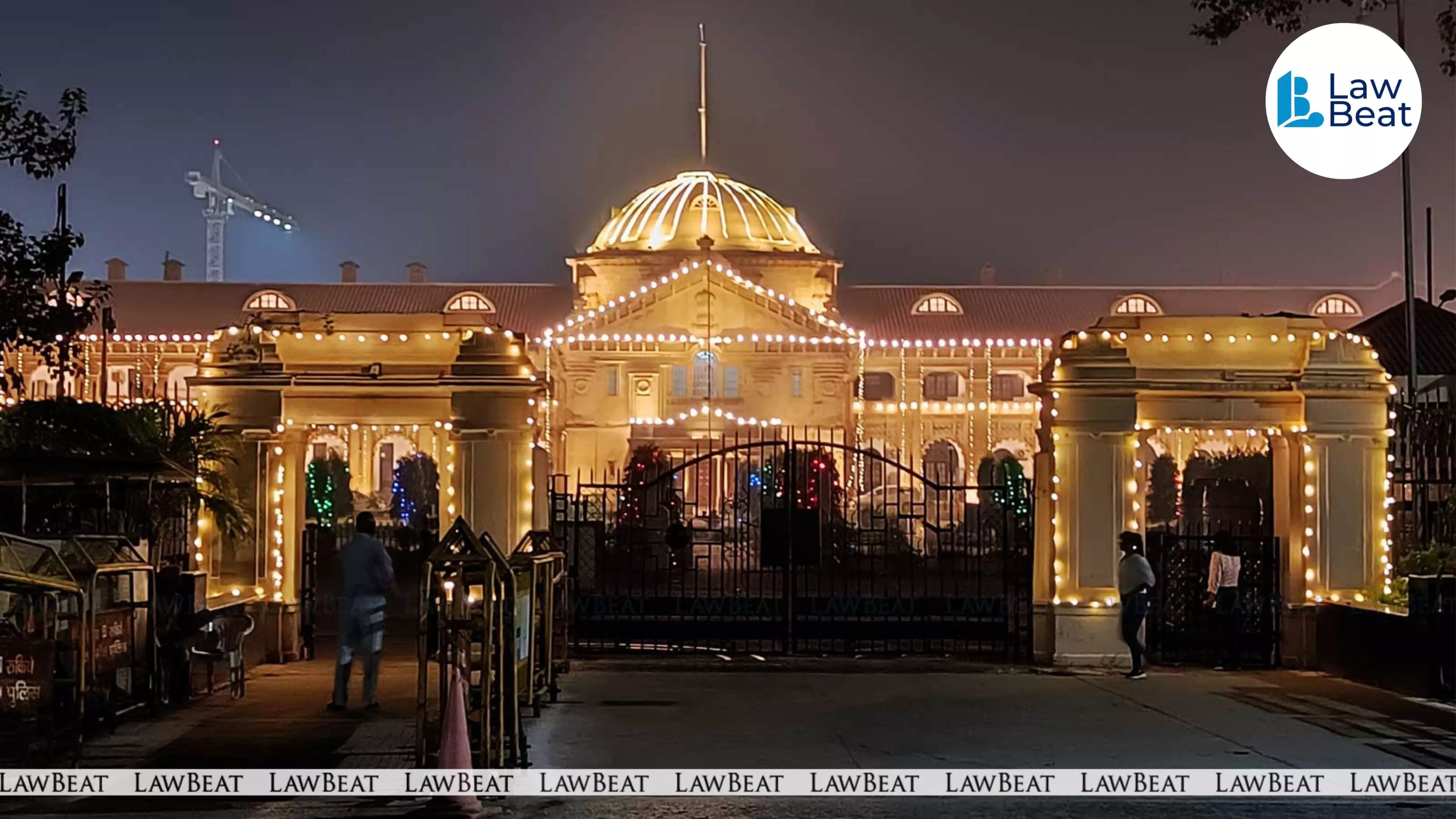
Allahabad High Court: Orders Custody for Unauthorized Courtroom Recording
Summary
- The Allahabad High Court ordered the custody of Raj Kulshrestha for unauthorizedly recording three videos of court proceedings on November 19, 2026.
- Justice Vikram D. Chauhan's bench ruled that while justice is open, it does not permit "free broadcast" by unauthorized individuals, emphasizing that court proceedings are serious, not for entertainment.
- The court prohibited litigants from bringing mobile phones into courtrooms, holding advocates responsible for ensuring their clients comply.
- Unauthorized recordings can prejudice litigants, expose victims to social media stigma, and interfere with the administration of justice.
- Advocates Nitish Kumar Soni and Bhanu Pratap Seth appeared on November 20 to provide their explanations regarding potential interference, with Soni tendering an unconditional apology and Seth stating he was frightened.
Courtroom Recording Incident Sparks Strict Directives
Court proceedings are not for entertainment purposes but constitute serious business affecting an individual's liberty and rights.
The Allahabad High Court recently took decisive action following an incident involving unauthorized recording of court proceedings. On November 19, 2026, during a hearing on a matter under Article 227, Additional Advocate General P.K. Singh alerted the court to an individual recording the proceedings without permission. The person, identified as Raj Kulshrestha, admitted to the recording but could not provide a justification for his actions.
Upon examination of his mobile phone by the Bench Secretary, three videos of court proceedings were discovered. Kulshrestha possessed a pass issued by the Registry, which only granted access to the advocates' chamber, and had entered the courtroom without appropriate authorization. Furthermore, he confirmed that he had no case scheduled before the court. Kulshrestha disclosed that he had been brought to the court by Bhanu Pratap Seth, a junior to advocate Nitish Kumar Soni. The court noted that Nitish Kumar Soni was out of station and Bhanu Pratap Seth was absent when the matter was addressed.
Consequently, the court ordered Kulshrestha's custody and directed his appearance before the Chief Judicial Magistrate, Prayagraj, to explain why his recording should not be deemed an interference in the administration of justice. Both advocates, Soni and Seth, were also directed to appear on November 20 to provide their explanations regarding potential interference. On November 20, advocate Nitish Kumar Soni appeared and tendered an unconditional apology, while his junior Bhanu Pratap Seth told the court he was frightened.
Upholding Judicial Sanctity: The Court's Rationale
The single judge bench of Justice Vikram D. Chauhan underscored the gravity of unauthorized recordings, asserting that "court proceedings are not for entertainment purposes but constitute serious business affecting an individual's liberty and rights." The court clarified that while the principle of open justice allows public attendance, it does not extend to "free broadcast" by any unauthorized individual. This distinction is crucial, as the court emphasized that publishing or recording judicial proceedings without explicit permission could lead to significant harm.
Such actions, the court reasoned, might result in "social media trials" before a final determination is reached, potentially prejudicing litigants and adversely affecting the ongoing proceedings. Furthermore, victims could face social media stigma if details of their cases or harassment are uploaded onto digital platforms. Taking a serious view of these potential consequences, the court highlighted the imperative to protect the integrity of judicial processes and the rights of all parties involved from unwarranted public exposure and misrepresentation.
New Rules for Courtroom Conduct and Advocate Responsibility
In response to the growing concern over unauthorized courtroom recording, the Allahabad High Court has issued stringent directives aimed at maintaining courtroom decorum and preventing interference in the administration of justice. Justice Chauhan explicitly prohibited litigants from bringing mobile phones into courtrooms. A pivotal aspect of this ruling places direct responsibility on advocates to ensure their clients adhere to this new regulation. Advocates are now expected to strictly instruct their clients against carrying mobile phones during proceedings, with the understanding that they could be held accountable if their clients are found in violation.
To ensure widespread awareness, the court mandated the Registrar General to affix a notice at the high court's pass counter, informing all visitors of the new mobile phone ban. This move aligns with broader efforts to curb unauthorized recordings, as Senior Advocate C.P. Upadhyaya, President of the Allahabad High Court Bar Association, informed the court that he had previously circulated a notice prohibiting advocates from creating or uploading reels, photographs, and videos from the high court premises, prescribing a penalty for non-compliance. This comprehensive approach aims to reinforce the sanctity of judicial proceedings across the Allahabad High Court.
Practical Implications
Lawyers practicing in the Allahabad High Court must strictly instruct their clients not to bring mobile phones into courtrooms, as unauthorized recordings are now prohibited and can lead to advocates being held responsible for interference in the administration of justice. This ruling sets a precedent for court decorum and potential contempt proceedings.
Source
How does this affect you?
Get an AI analysis of this article grounded in your jurisdictions, practice areas, and any policy documents you've uploaded to Wansom.
Finish Reading the Full Story and the Expert Analysis.
Get the latest legal & regulatory intelligence in India
Wansom is AI and can make mistakes.