
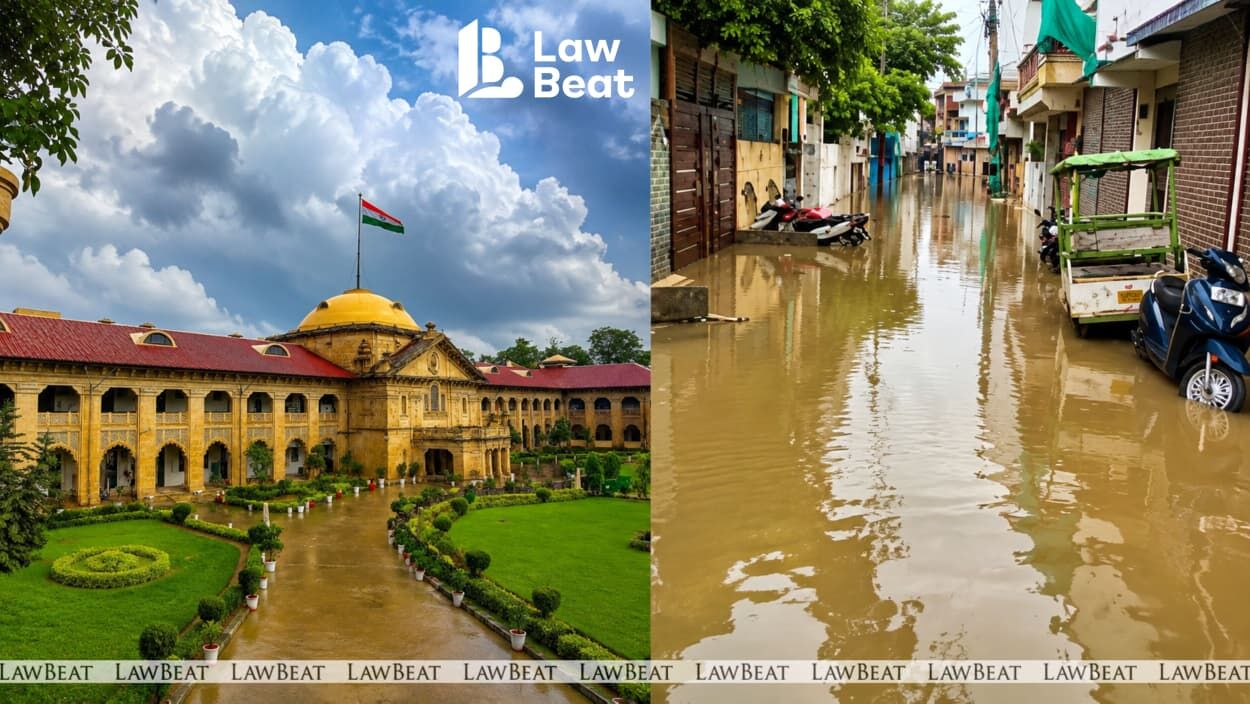
Allahabad High Court: Summons Officials Over Prayagraj Waterlogging
Summary
- The Allahabad High Court has taken suo motu cognizance of waterlogging in Prayagraj, disrupting court proceedings and administration of justice.
- The court has summoned officials to explain their failure to take advance measures to prevent waterlogging, particularly in low-lying areas.
- This case sets a precedent for government accountability in public infrastructure issues, highlighting the need for proactive measures to address such crises.
Waterlogging Crisis Brings Court Proceedings to a Halt
The situation was bringing business to a halt and causing direct interference to the administration of justice
The incessant rain in Prayagraj has caused widespread waterlogging, disrupting normal life and even causing difficulties for judges in reaching the court. The situation was so severe that it brought business to a halt and caused direct interference with the administration of justice. The Allahabad High Court took suo motu cognizance of the issue, recognizing the need for urgent action to prevent such disruptions in the future. The court's decision to summon officials over waterlogging has sparked concerns about government accountability for public infrastructure issues.
Legal Context: A Precedent-Setting Case
The Allahabad High Court's suo motu petition is a significant development in the realm of government accountability. The court's decision to take cognizance of the waterlogging issue sets a precedent for future cases involving public infrastructure and government responsibility. This case may influence court decisions on issues related to government accountability, making it essential for lawyers to closely follow its progression. The court's direction to officials to explain their inaction in preventing waterlogging highlights the importance of proactive measures in addressing such crises.
Why It Matters: A Wake-Up Call for Urban Development
The Prayagraj waterlogging case serves as a wake-up call for urban development authorities and government agencies responsible for managing public infrastructure. The court's summons to officials underscore the need for effective planning, coordination, and implementation of measures to prevent waterlogging. This case highlights the importance of proactive measures in addressing such crises, emphasizing the need for authorities to take responsibility for ensuring that cities are equipped to handle extreme weather events. The outcome of this case will have far-reaching implications for urban development policies and practices across India.
Practical Implications
Lawyers should watch for the precedent set by this suo motu petition, which may influence future court decisions on government accountability for public infrastructure issues.
Source
Source: Original reporting via [Source]
How does this affect you?
Get an AI analysis of this article grounded in your jurisdictions, practice areas, and any policy documents you've uploaded to Wansom.
Wansom is AI and can make mistakes.