
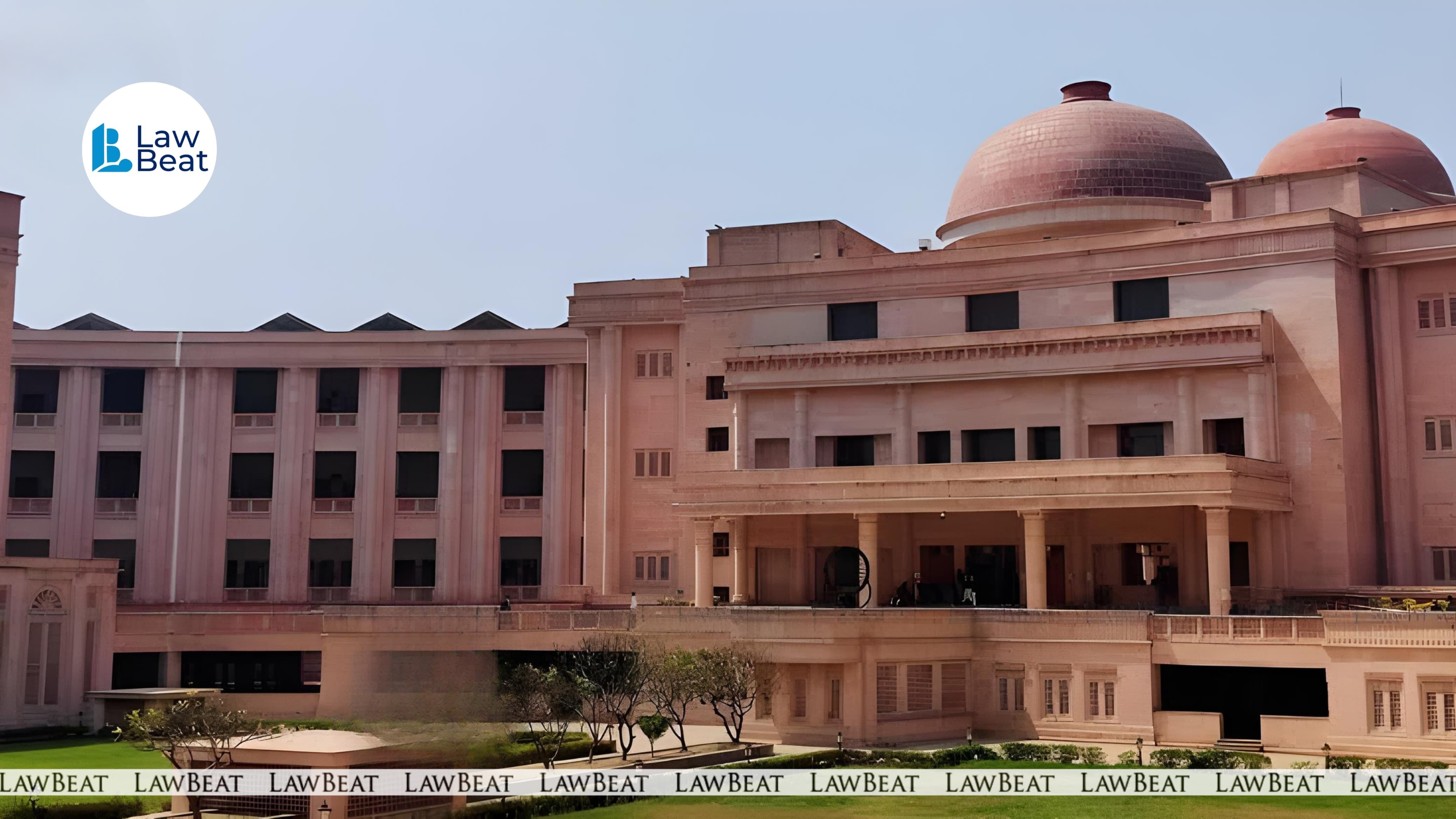
Allahabad HC: Protects Journalist Over School Report FIR
Summary
- The Allahabad High Court stayed an FIR against journalist Amit Yadav for reporting on poor conditions at a government school in Lucknow.
- The court found the FIR, filed under BNS Sections 223, 353, and 356, to be prima facie retaliatory and legally flawed.
- The ruling emphasized that criminal defamation requires a formal complaint, not an FIR, citing *Subramanian Swamy v. Union of India (2016)*.
- The court noted that the journalist's photographic evidence supported his good faith reporting, negating the public mischief charge.
- Authorities were advised to address reported deficiencies in public institutions rather than filing criminal cases against journalists.
High Court Intervenes in Journalist Case
This decision provides a strong basis for lawyers to challenge FIRs filed to suppress reporting on public sector deficiencies, particularly those invoking criminal defamation or public mischief sections, by emphasizing procedural requirements and the defense of good faith reporting.
The Allahabad High Court has delivered a significant ruling, staying an First Information Report (FIR) lodged against journalist Amit Yadav. The FIR stemmed from Yadav's report detailing the substandard conditions of a government school in Lucknow, prompting the court to characterize the action as prima facie retaliatory. This decision by a bench comprising Justices Abdul Moin and Pramod Kumar Srivastava underscores the judiciary's role in safeguarding press freedom against actions perceived as attempts to suppress critical reporting.
The FIR, which invoked Sections 223, 353, and 356 of the Bharatiya Nyaya Sanhita (BNS), 2023 – corresponding to Sections 188, 505, and 499 of the erstwhile Indian Penal Code (IPC) – was found to suffer from clear legal infirmities. The court emphasized that rather than resorting to legal action, authorities should have focused on investigating and rectifying the reported deficiencies within the educational institution. This stance highlights a judicial expectation for public bodies to address shortcomings transparently instead of engaging in what the court termed an "ego issue" by initiating criminal proceedings against a reporter.
The Allegations and the Report
Journalist Amit Yadav's report originated from his visit to Purva Madhyamik Vidyalaya, located in Begriya Mau, Gosaiganj, Lucknow, on August 20. During his visit, Yadav observed and documented various issues, including the dilapidated state of the toilets and the complete absence of drinking water facilities, indicating an overall poor condition of the institution. He also conducted interviews with several teachers at the school to gather information for his report.
Just four days later, on August 24, an FIR was registered against Yadav. The complaint asserted that the school was, in fact, in "excellent condition," with clean toilets and no operational difficulties. Furthermore, the FIR alleged that Yadav had entered the school premises without authorization, disrupted the students' learning activities, and coerced two female teachers into providing statements about the school. The authorities also claimed that Yadav's reporting was driven by political bias, attempting to discredit his journalistic integrity.
Legal Flaws Identified by the Court
The Allahabad High Court meticulously examined the legal basis for the FIR, identifying critical flaws in its application of the Bharatiya Nyaya Sanhita sections. Regarding Section 356 BNS, which pertains to defamation, the court referenced the landmark Supreme Court decision in *Subramanian Swamy v. Union of India (2016)*. This precedent firmly establishes that criminal defamation proceedings must be initiated through a formal complaint by the aggrieved party, not via an FIR. The court also noted that Section 222 BNS explicitly mandates that no court can take cognizance of an offense under Section 356 without such a complaint, rendering the FIR legally unsound on this count.
Addressing Section 353 BNS, related to statements conducing to public mischief, the court highlighted a crucial statutory exception: the provision does not apply if the person publishing or circulating the statement had reasonable grounds to believe it to be true and acted in good faith. The photographic evidence submitted by Yadav, which depicted the "abysmal condition" of the school's facilities, strongly suggested his good faith and reasonable belief in the truth of his report. For Section 223 BNS, concerning disobedience of an order promulgated by a public servant, the State's counsel conceded that no such order restricting entry into the school existed, leading the court to conclude that authorities had erred in invoking this section as well. This comprehensive analysis of the FIR's legal shortcomings provided a strong basis for the Allahabad HC to protect the journalist's school report FIR.
Broader Implications for Press Freedom
This ruling by the Allahabad High Court carries significant weight for journalist protection and freedom of speech in India, particularly when reporting on public sector deficiencies. The court's unequivocal stance that authorities should investigate and remedy reported shortcomings, rather than viewing them as an "ego issue" warranting criminal charges, sets an important precedent. It reinforces the principle that critical reporting, especially on public services like education, is a vital component of a functioning democracy.
The court also contextualized the dispute within the framework of the Right of Children to Free and Compulsory Education Act, 2009, which outlines essential norms for schools, including provisions for separate toilets for boys and girls and access to safe drinking water. By linking the journalist's report to these statutory obligations, the court underscored the public interest served by such reporting. This decision provides a strong basis for lawyers to challenge FIRs filed to suppress reporting on public sector deficiencies, particularly those invoking criminal defamation or public mischief sections, by emphasizing procedural requirements and the defense of good faith reporting.
Practical Implications
This ruling provides a strong basis for lawyers to challenge FIRs filed to suppress reporting on public sector deficiencies, particularly those invoking criminal defamation or public mischief sections. It reinforces the procedural requirement for criminal defamation to be initiated via complaint, not FIR, and emphasizes good faith reporting as a defense against public mischief charges.
Source
Source: Original reporting via Live Law
How does this affect you?
Get an AI analysis of this article grounded in your jurisdictions, practice areas, and any policy documents you've uploaded to Wansom.
Finish Reading the Full Story and the Expert Analysis.
Get the latest legal & regulatory intelligence in India
Wansom is AI and can make mistakes.