
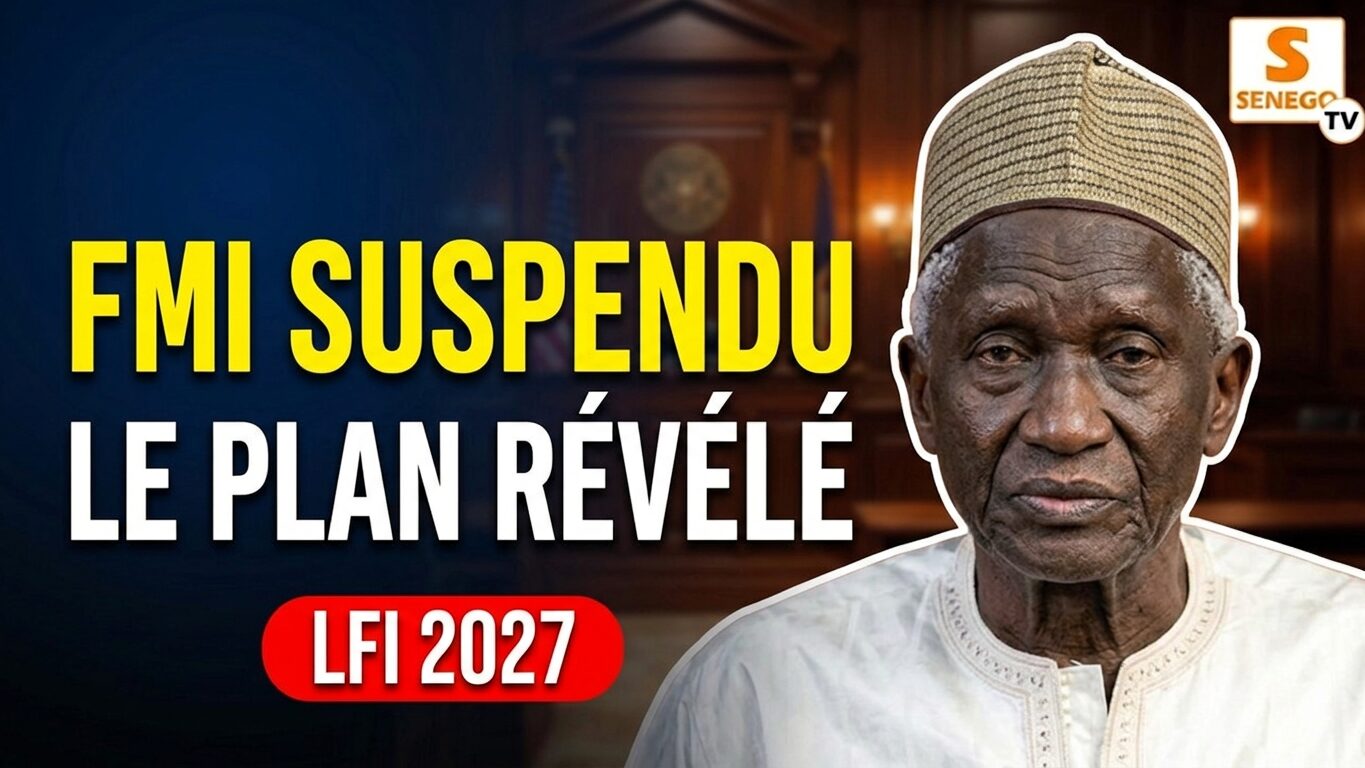
Député Alla Kane: Rejette Budget 2027 Sénégal Pour Intérêt Public
Summary
- Doyen Alla Kane addressed deputies during a plenary session for the examination of the Initial Finance Law (LFI) 2027.
- He reminded his colleagues of their fundamental responsibility to the citizens they represent.
- Kane declared that deputies would reject any aspect of the budget not serving the public interest.
- His statement concluded unambiguously, setting a clear expectation for the budget's scrutiny.
Legislative Scrutiny of the 2027 Budget
We are elected by the people; everything that is not in their interest, we will reject.
During a pivotal plenary session dedicated to the rigorous examination of the Initial Finance Law (LFI) 2027, a crucial legislative document outlining the nation's financial framework for the upcoming year, Doyen Alla Kane, a prominent member of the parliamentary body, delivered a pointed address to his fellow elected representatives. This session marks a critical phase in the legislative calendar, where the proposed budget undergoes detailed scrutiny by deputies before its potential adoption, setting the stage for national economic and social priorities.
In his remarks, Deputy Kane underscored the profound responsibility that each parliamentarian holds towards the citizenry. He explicitly reminded his colleagues that their mandate as elected officials is to serve the interests of the people who entrusted them with their votes. This emphasis on public duty set a serious tone for the ongoing deliberations concerning the national budget, highlighting the importance of the deputies' role in shaping the Loi de finances initiale 2027.
A Firm Stance on Public Interest
Doyen Alla Kane articulated a clear and resolute position regarding the legislative body's approach to the LFI 2027. He unequivocally stated, "We are elected by the people; everything that is not in their interest, we will reject." This declaration served as a direct challenge and a guiding principle for the deputies present, signaling a firm commitment to prioritize the welfare of the populace above all else during the budget review process.
His statement concluded without any ambiguity, reinforcing the message that the legislative assembly would not compromise on measures deemed detrimental to the public good. This strong stance, articulated by Député Alla Kane regarding the budget, highlights the potential for robust debate and significant amendments as the LFI 2027 continues its passage through the parliament, with deputies urged to critically assess each provision through the lens of citizen benefit.
Implications for Fiscal Policy and Representation
The declaration by Doyen Alla Kane carries significant implications for the final shape and content of the Loi de finances initiale 2027. By asserting that any measure not aligned with the public interest will face rejection, he has effectively raised the bar for the government's proposed fiscal policies, demanding a budget that directly addresses the needs and aspirations of the nation's citizens. This position could lead to more intense scrutiny of spending allocations, revenue generation strategies, and overall economic priorities embedded within the budget, potentially necessitating revisions to ensure broader public acceptance and benefit.
This emphasis on the deputies' role as direct representatives of the people underscores the democratic principles at play in the legislative process. It reinforces the idea that the parliament is not merely a rubber stamp for executive proposals but a vital check and balance, empowered to ensure that national financial planning genuinely serves the collective good. Such a public commitment from a senior deputy signals a potentially challenging path for the LFI 2027, as it must now pass through an assembly that has been explicitly reminded of its power and duty to reject proposals deemed contrary to the public's best interest, thereby enhancing accountability and transparency in governance.
Practical Implications
Lawyers and compliance officers should closely monitor the ongoing legislative debate and potential amendments to Senegal's 2027 budget, as the final approved Loi de finances initiale will establish key fiscal policies and regulatory frameworks that could directly impact client operations, tax obligations, and investment strategies.
Source
Source: Original reporting.
How does this affect you?
Get an AI analysis of this article grounded in your jurisdictions, practice areas, and any policy documents you've uploaded to Wansom.
Finish Reading the Full Story and the Expert Analysis.
Get the latest legal & regulatory intelligence in Senegal
Wansom is AI and can make mistakes.