
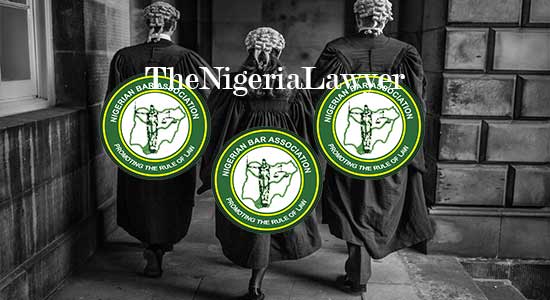
Akwa Ibom Judiciary: New Legal Year Wigs, Gowns Ban Sparks Debate
Summary
- The Akwa Ibom State Judiciary has issued a directive prohibiting lawyers from wearing wigs and gowns.
- This instruction applies specifically to the upcoming New Legal Year Thanksgiving Service.
- The Chief Registrar of the Akwa Ibom State Judiciary signed the official letter conveying this dress code.
- The directive has been described by some within the legal profession as both "alien" and "an embarrassment" to its traditions.
What Happened
Lawyers planning to attend the Akwa Ibom New Legal Year Thanksgiving Service must be aware of this specific directive regarding legal attire to ensure compliance or understand the professional debate surrounding it.
The Akwa Ibom State Judiciary has issued a directive prohibiting legal practitioners from wearing traditional wigs and gowns during the upcoming New Legal Year Thanksgiving Service. This instruction, which outlines a specific dress code for the ceremonial event, was communicated through an official letter of invitation and schedule of activities. The document bearing this controversial directive was signed by the Chief Registrar of the Akwa Ibom State Judiciary.
This unexpected mandate specifically targets the attire for the significant annual service, which marks the commencement of a new legal year in the state. Lawyers planning to attend the event are now faced with an explicit instruction to deviate from the customary professional dress that has long been a hallmark of legal proceedings and ceremonial occasions across Nigeria. The decision has sparked considerable discussion within the legal community, raising questions about the rationale behind such a departure from established norms.
Legal Tradition and Controversy
The prohibition of wigs and gowns for the New Legal Year Thanksgiving Service in Akwa Ibom has been met with strong criticism, with some within the legal profession describing the move as "alien" to its long-standing traditions. The attire of wigs and gowns holds deep historical and symbolic significance within the Nigerian legal system, mirroring practices inherited from the British common law tradition. These garments are not merely clothing but are seen as integral to the solemnity, decorum, and authority of the courts and legal practitioners.
For many, the wig and gown represent the impartiality of justice, the anonymity of the advocate, and the gravitas of the legal profession. To mandate their absence at a formal judicial event, particularly one as symbolic as the New Legal Year Thanksgiving Service Akwa Ibom, is perceived by some as undermining these cherished values. This directive from the Akwa Ibom Chief Registrar dress code has thus ignited a debate about the preservation of professional identity versus potential modernizing impulses within the judiciary.
Why It Matters
Beyond being deemed "alien," the Akwa Ibom legal year wigs gowns ban has also been characterized as "an embarrassment" to the legal profession. This sentiment underscores the perceived affront to the dignity and established customs of lawyers and the judiciary alike. The Akwa Ibom State Judiciary dress code, as articulated in this specific instance, challenges the conventional understanding of appropriate attire for formal legal gatherings, potentially setting a precedent that could be viewed as eroding professional standards.
The controversy surrounding this wig and gown ban in the Akwa Ibom judiciary highlights a localized challenge to traditional legal dress norms within the broader Nigerian legal profession attire controversy. It compels legal practitioners to consider the implications of such directives on their professional identity and the public perception of the justice system. Lawyers planning to attend the Akwa Ibom New Legal Year Thanksgiving Service must be aware of this specific directive regarding legal attire to ensure compliance or understand the professional debate surrounding it. The incident raises important questions about the balance between judicial administrative authority and the deeply ingrained cultural and historical practices of the bar.
Practical Implications
Lawyers planning to attend the Akwa Ibom New Legal Year Thanksgiving Service must be aware of this specific directive regarding legal attire to ensure compliance or understand the professional debate surrounding it. This incident highlights a localized challenge to traditional legal dress norms within the Nigerian judiciary.
Source
How does this affect you?
Get an AI analysis of this article grounded in your jurisdictions, practice areas, and any policy documents you've uploaded to Wansom.
Finish Reading the Full Story and the Expert Analysis.
Get the latest legal & regulatory intelligence in Nigeria
Wansom is AI and can make mistakes.