
AIBD Syndicates: Air Sénégal Dette 1.4 Billion FCFA Cited in Financial Woes
Summary
- Syndicates SPAS and SUDTRAS voiced concerns on November 11, 2026, about late salaries and financial instability at Aéroport international Blaise-Diagne (AIBD).
- AIBD is reportedly owed significant sums, including at least 1.4 billion FCFA annually by Air Sénégal, nearly 2.4 billion FCFA by Transair, and approximately 2 billion FCFA by LAS.
- Financial difficulties among AIBD staff, who perform essential airport functions, are raising concerns about potential impacts on operational safety.
- The syndicates attribute some financial issues to AIBD's resources transiting through the Trésor public, causing delays in urgent payments.
- They are urging state intervention to grant AIBD financial autonomy and address employee grievances, including the restitution of assets from ex-Aéroport du Sénégal.
Mounting Concerns at AIBD
The financial difficulties experienced by these essential personnel, who are responsible for critical functions such as landing, takeoff, maintenance, and airport security, could compromise their concentration and, by extension, the safety of operations.
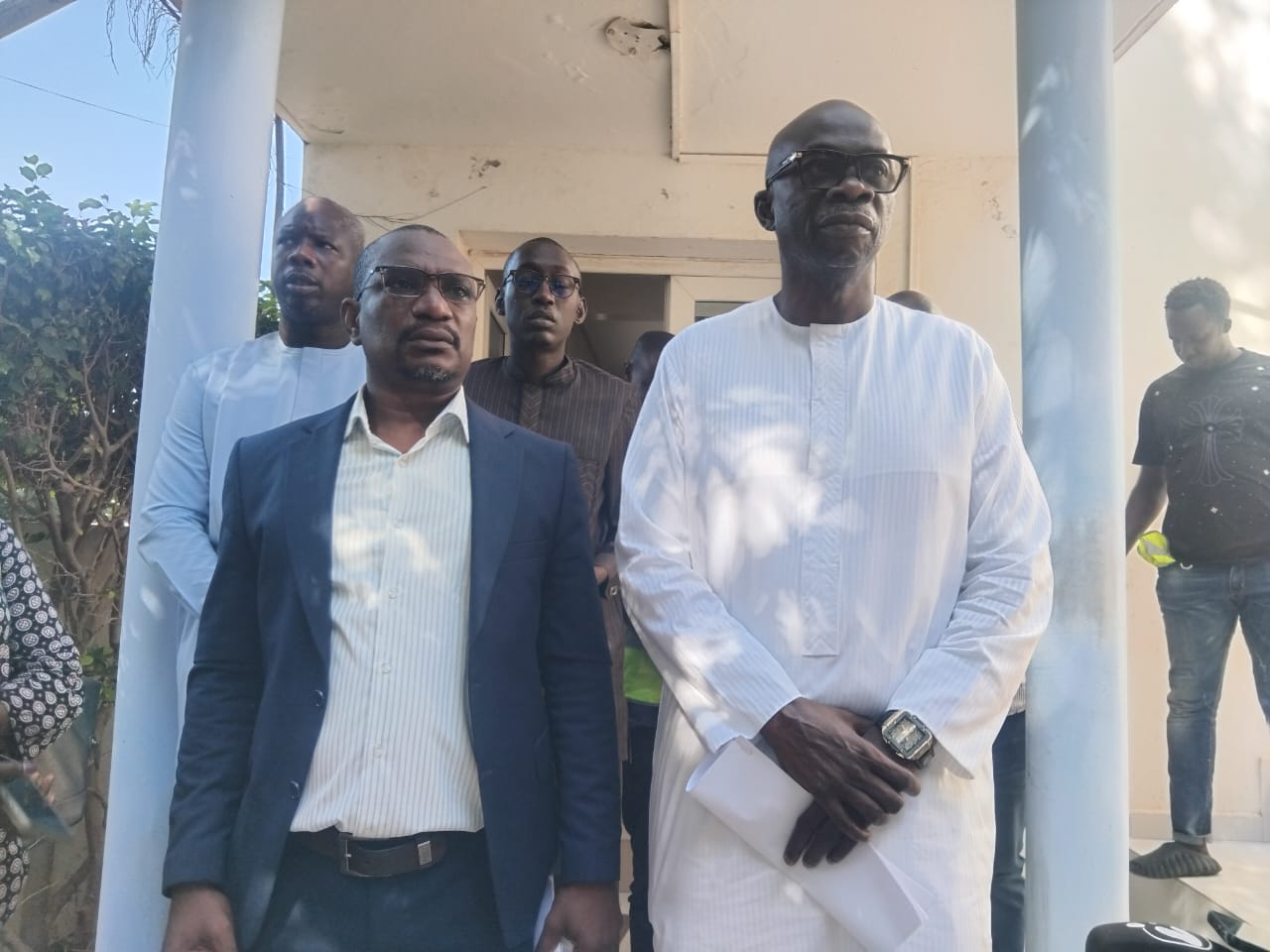
On Wednesday, November 11, 2026, representatives from the SPAS and SUDTRAS syndicates convened a press conference at the Yoff site, articulating profound concerns regarding the operational and financial health of Aéroport international Blaise-Diagne (AIBD). Their statements highlighted a troubling pattern of delayed salary payments, perceived inequities among employees, and a deteriorating state of the company's assets. These issues, they warned, are creating a climate of instability for the vital infrastructure.
Djibril Sakho, the Secretary General of SPAS, emphasized that the late payment of wages directly affects personnel performing essential roles, including those involved in aircraft landing and takeoff procedures, critical maintenance operations, and airport security. He underscored that such financial distress among staff could severely impair their focus and concentration, posing a potential risk to the seamless functioning of airport activities. Malick Ndoye, Secretary General of SUDTRAS, echoed these sentiments, describing a significant decline in working conditions since the current management team took over.
Ndoye further recounted that employees had endured two years of sacrifices to aid the company's recovery efforts. However, the subsequent removal of acquired benefits and persistent payment delays have fostered an environment of precarity and widespread discontent. These financial hardships extend beyond the workplace, impacting the daily lives of employees who struggle to cover essential expenses such as rent, school fees, transportation, and family sustenance.
Unresolved Debts and Financial Management
A significant factor contributing to AIBD's financial woes, according to Djibril Sakho, stems from substantial outstanding créances owed by various companies operating within the airport complex. He specifically cited a debt of at least 1.4 billion FCFA annually from Air Sénégal. Beyond Air Sénégal dette AIBD 1,4 milliard FCFA, Sakho also detailed claims against Transair, amounting to nearly 2.4 billion FCFA, and LAS, with approximately 2 billion FCFA in arrears. The recovery of these considerable sums, including the créances Air Sénégal Aéroport Blaise-Diagne, is indispensable for rectifying AIBD's financial position and ensuring the timely disbursement of salaries.
Sakho also pointed to systemic issues within AIBD's financial administration, advocating for greater autonomy in its gestion financière AIBD Trésor public. He explained that the current practice of routing AIBD's revenues through the Trésor public introduces bureaucratic delays in fund release, which in turn impedes the company's ability to cover urgent expenditures promptly. This lack of direct control over its finances exacerbates the challenges faced by the airport operator.
Operational Safety and Employee Welfare
The syndicates SPAS SUDTRAS AIBD collectively warned that the ongoing financial instability and the resulting psychological strain on employees could have serious repercussions for operational safety. Malick Ndoye particularly stressed that the security of airport operations relies heavily on the permanent psychological stability of its agents. The current climate of financial insecurity and discontent, he cautioned, directly threatens this crucial stability.
Beyond the immediate financial concerns, the syndicates also highlighted disparities in supplementary retirement provisions, holiday indemnities, and remuneration for overtime work. Ndoye further demanded the restitution of assets originating from the former Aéroport du Sénégal (ADS), alleging that some of these properties are currently being utilized by other entities without AIBD receiving corresponding revenues. These issues collectively paint a picture of an organization struggling to maintain employee morale and operational integrity amidst financial and managerial challenges.
Calls for State Intervention and Reform
In light of these pressing issues, both Djibril Sakho and Malick Ndoye issued a direct appeal to the State for immediate intervention. They urged the government to facilitate AIBD's return to financial autonomy, thereby enabling it to manage its resources more effectively and address its financial obligations without undue delays. Their demands extended to the reinstatement of social benefits, the harmonization of treatment across all employee categories, and the resumption of joint advancement commissions.
Furthermore, the syndicates called for a renewed focus on the relaunch of works at regional airports, indicating a broader concern for the national aviation infrastructure. A central request from both SPAS and SUDTRAS was the establishment of a permanent mechanism for consultation between AIBD's general management and its social partners. This mechanism, they believe, is crucial for fostering constructive dialogue and collaboratively resolving the deep-seated issues currently affecting Aéroport Blaise-Diagne.
Practical Implications
Lawyers advising Air Sénégal, Transair, or LAS should assess their client's exposure to potential debt recovery actions by AIBD for the outstanding 1.4 billion FCFA and other amounts. Compliance officers should note the reported financial instability at AIBD and its potential implications for operational safety and labor compliance within the Senegalese aviation sector.
Source
Source: Original reporting via EMedia
How does this affect you?
Get an AI analysis of this article grounded in your jurisdictions, practice areas, and any policy documents you've uploaded to Wansom.
Finish Reading the Full Story and the Expert Analysis.
Get the latest legal & regulatory intelligence in Senegal
Wansom is AI and can make mistakes.