
African Group Negotiators: 54 African Countries Reject Paris Agreement Renegotiation
Summary
- The African Group of Negotiators, representing 54 nations, has firmly rejected any renegotiation of the Paris Agreement.
- They warned that altering the climate pact, especially obligation provisions, could jeopardize current climate commitments.
- The group emphasized the necessity for developed countries to fulfill their existing responsibilities under the agreement.
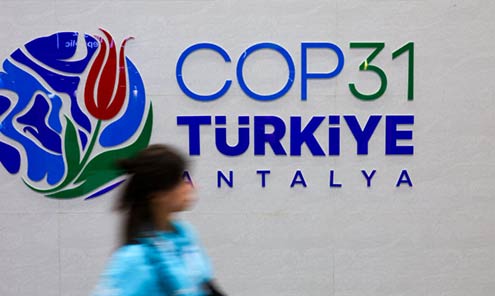
- This unified stance was articulated during COP31, underscoring a critical boundary for the continent.
- African nations view the existing framework as stable and crucial for global climate action.
African Nations Firmly Reject Renegotiation
The unified stance from 54 African nations underscores a firm commitment to the existing framework of the Paris Agreement, signaling that its core obligations are not open for renegotiation.
The African Group of Negotiators on Climate Change (AGN), representing a formidable bloc of 54 African countries, has issued a definitive rejection of any proposals to renegotiate the foundational Paris Agreement. This unified position, articulated during the COP31 proceedings, emphasizes the continent's unwavering commitment to the existing global climate pact. The collective stance from African countries rejects Paris Agreement renegotiation, signaling a clear boundary in international climate diplomacy.
The AGN has specifically cautioned that reopening the agreement, particularly those clauses pertaining to the obligations of signatory nations, carries a significant risk of undermining the commitments already in place to combat climate change. Their declaration underscores a deep concern that any attempt to alter the established framework could destabilize ongoing efforts and dilute the accountability of nations towards their climate responsibilities. This strong AGN Paris Agreement stance highlights the continent's resolve to protect the integrity of the accord.
Upholding Existing Commitments
A central tenet of the African Group's position is the insistence that developed countries must honor their existing obligations under the Paris Agreement. This call to action reinforces the principle of common but differentiated responsibilities, a cornerstone of international climate policy, where historical emitters are expected to lead in mitigation and provide support to developing nations. The African position in climate negotiations consistently advocates for equity and the fulfillment of promises made.
This firm declaration serves as a critical message to the international community, indicating that for African nations, the current framework provides the necessary structure for global climate action. Any move to dismantle or weaken this structure is viewed with extreme apprehension, as it could jeopardize the progress made and the trust built within the climate negotiation process. The continent's leaders are resolute that the integrity of the Africa climate pact obligations must be maintained.
Implications for Global Climate Action
The unified stance from 54 African nations underscores a firm commitment to the existing framework of the Paris Agreement, signaling that its core obligations are not open for renegotiation. This collective declaration provides a measure of stability regarding the future of climate obligations, suggesting that the current commitments are unlikely to undergo significant changes in the near term. For businesses and governments, this reinforces the need for continued adherence to established climate-related regulations and reporting requirements.
For entities operating across Africa or engaging in climate initiatives with African nations, this position is particularly salient. It means that the regulatory landscape shaped by the Paris Agreement, including national contributions and reporting standards, is expected to remain consistent. The African Group's clear message regarding the Paris Agreement future in Africa thus provides a stable foundation for long-term planning and investment in climate resilience and mitigation efforts across the continent.
Practical Implications
Lawyers and compliance officers should advise clients that the unified African stance against renegotiating the Paris Agreement reinforces the stability of existing climate obligations. This means current commitments under the agreement are unlikely to change soon, necessitating continued adherence to established climate-related regulations and reporting requirements, particularly for entities operating across Africa or engaging with African nations on climate initiatives.
Source
How does this affect you?
Get an AI analysis of this article grounded in your jurisdictions, practice areas, and any policy documents you've uploaded to Wansom.
Finish Reading the Full Story and the Expert Analysis.
Get the latest legal & regulatory intelligence in Nigeria
Wansom is AI and can make mistakes.