
Africa: Criminalization Trap in Artisanal Mining Responses
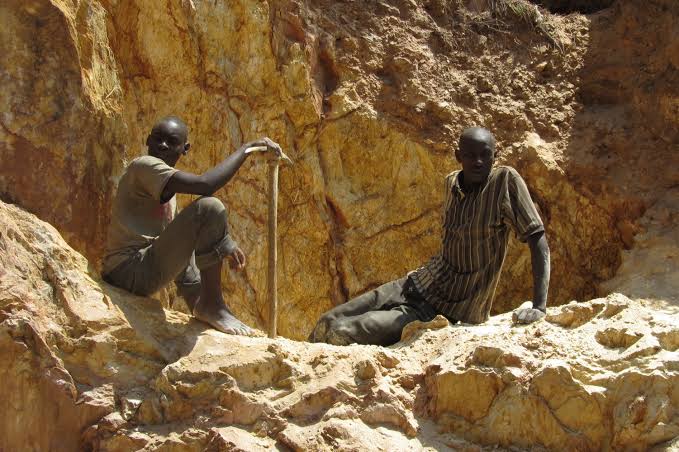
Africa's responses to artisanal mining, particularly through criminalisation, are increasingly being analysed as a 'trap' that inadvertently fuels crime and conflict while failing to address the powerful actors involved, according to an analysis published by Premium Times Nigeria. This approach often results in the punishment of small-scale miners who are primarily seeking to survive, rather than targeting the larger, often illicit, networks that profit from the sector.
The legal significance of this analysis is profound for criminal justice systems and policy-making across the continent. It challenges the efficacy and fairness of current enforcement strategies that disproportionately affect vulnerable populations. By criminalising artisanal mining, governments may be exacerbating poverty and driving miners into more clandestine and dangerous operations, potentially increasing their involvement in other criminal activities. Furthermore, the failure to apprehend and prosecute the 'powerful players' – often implicated in smuggling, corruption, and large-scale illegal extraction – suggests a systemic weakness in the application of the law and a potential for corruption within the enforcement apparatus.
The legal context involves a complex interplay of mining laws, environmental regulations, criminal statutes, and international conventions related to illicit trade and human rights. Many African nations have legal frameworks that aim to regulate mining, including artisanal and small-scale mining (ASM), often requiring licenses and adherence to environmental and safety standards. However, the enforcement of these laws is frequently inconsistent. The analysis suggests that the criminalisation trap arises when enforcement focuses on the 'miners' rather than the 'mining economy,' which includes financiers, buyers, and exporters, many of whom operate with impunity, often facilitated by weak governance and corruption.
The key parties are the artisanal miners themselves, who are often the subjects of criminalisation, the governments and law enforcement agencies responsible for implementing mining and criminal justice policies, and the powerful, often unaddressed, players in the illicit mining trade. The analysis implicitly critiques the effectiveness of judicial and prosecutorial systems in dealing with the complexities of artisanal mining and its associated criminal networks.
For legal practitioners and policymakers, this analysis serves as a critical call to re-evaluate current approaches. Attorneys representing artisanal miners should be aware of the potential for disproportionate sentencing and advocate for alternative dispute resolution or restorative justice where appropriate. Policymakers and legislators need to consider reforms that decriminalise survivalist mining while strengthening enforcement against large-scale illegal operations and the networks that support them. A focus on addressing the root causes of illicit mining, including poverty and weak governance, alongside targeted prosecution of kingpins, is essential for breaking this cycle.
How does this affect you?
Get an AI analysis of this article grounded in your jurisdictions, practice areas, and any policy documents you've uploaded to Wansom.
Finish Reading the Full Story and the Expert Analysis.
Wansom is AI and can make mistakes.