
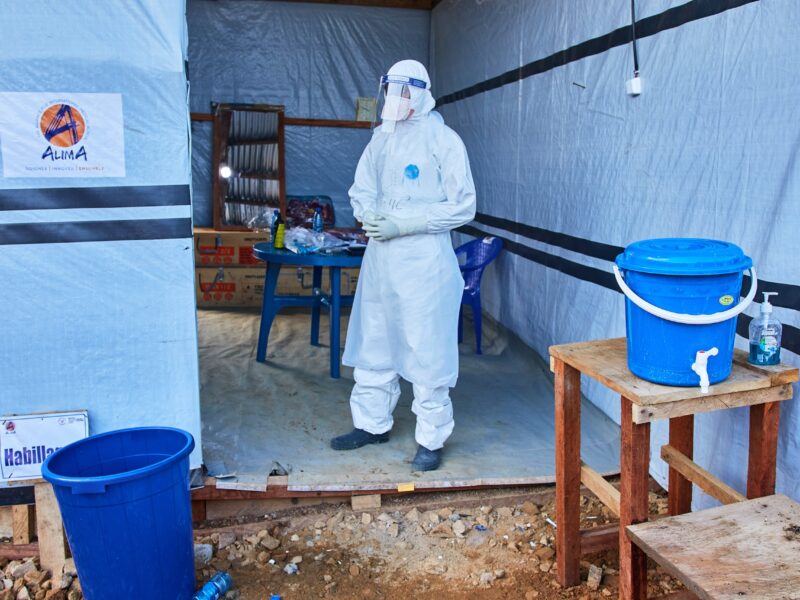
Africa CDC: Warns DRC Ebola Outbreak Not Under Control
Summary
- The Africa Centres for Disease Control and Prevention warned that the Ebola outbreak in the Democratic Republic of Congo is not under control, contradicting an earlier statement from the World Health Organization.
- Africa CDC Director-General Jean Kaseya stated that while cases showed a plateau and slight decrease, the outbreak remains uncontrolled, implying WHO's optimism was based on incomplete data.
- The African Union reports 7,404 cases and 3,577 deaths from the outbreak, which originated in Ituri province and has spread across seven northern and eastern provinces.
- The current outbreak is caused by the Bundibugyo strain of Ebola, for which there is currently no approved vaccine or treatment.
- Ebola, transmitted through bodily fluids, has caused over 15,000 deaths in Africa over the past five decades.
Conflicting Assessments of the Outbreak
The Africa Centres for Disease Control and Prevention has issued a stark warning that the Ebola outbreak in the Democratic Republic of Congo is far from being under control, directly contrasting a more optimistic assessment from the World Health Organization.
The Africa Centres for Disease Control and Prevention has issued a stark warning that the Ebola outbreak in the Democratic Republic of Congo is far from being under control, directly contrasting a more optimistic assessment from the World Health Organization. This cautionary stance was articulated by Africa CDC Director-General Jean Kaseya, who emphasized that despite some recent trends, the situation remains critical. His remarks came just a day after WHO Director-General Tedros Adhanom Ghebreyesus indicated that encouraging signs suggested progress was being made against the virus.
Kaseya acknowledged that officials had observed a "plateau" in the number of cases, alongside a "slight decrease" in recent figures. However, he firmly stated that these observations do not equate to the outbreak being under control, asserting that "no one can come and say the outbreak is under control. No one." He further suggested that the more positive comments from the WHO might have been based on "incomplete data," highlighting a divergence in expert opinions regarding the severity and trajectory of the crisis.
The outbreak, which originated in the conflict-affected northeastern province of Ituri, has since spread across seven northern and eastern provinces of the Democratic Republic of Congo. The African Union currently reports a total of 7,404 cases and 3,577 deaths attributed to this ongoing public health emergency. This persistent challenge underscores the complex environment in which health organizations are operating.
The Ongoing Crisis and Its Characteristics
The latest figures from the African Union paint a grim picture, detailing 7,404 confirmed cases and 3,577 fatalities stemming from the current DRC Ebola outbreak. This significant toll is concentrated across seven provinces in the northern and eastern regions of the Democratic Republic of Congo, with its genesis traced back to the volatile Ituri province. The sheer scale of these Democratic Republic of Congo Ebola figures highlights the profound impact on affected communities.
Ebola is a highly virulent disease transmitted through direct contact with the bodily fluids of infected individuals or animals. Its devastating effects include severe internal and external bleeding, ultimately leading to organ failure. Historically, the continent of Africa has grappled with numerous Ebola outbreaks, resulting in more than 15,000 deaths over the past five decades, underscoring the virus's persistent threat to public health.
A critical aspect of the current crisis is the specific strain involved: the Bundibugyo strain of Ebola. Alarmingly, there is currently no approved vaccine or treatment specifically for this particular strain. While the global medical community continues its efforts, clinical trials for potential interventions began at the Evangelical Medical Center in Bunia, eastern Congo, on July 3, 2026, offering a glimmer of future hope amidst the immediate challenges.
Persistent Public Health Challenge
The conflicting assessments from leading health organizations, with Africa CDC Director-General Jean Kaseya's Ebola comments emphasizing a lack of control against the WHO Tedros Ebola DRC statement, underscore the complex and dynamic nature of the public health crisis. Despite a Congo government spokesman, Patrick Muyaya, indicating on X that the "peak was reached" in the third week of August, the Africa CDC's warning suggests that any perceived improvements are not sufficient to declare the outbreak contained.
The continued spread and high mortality rate, particularly given the absence of an approved vaccine or treatment for the Bundibugyo strain, signify a persistent and severe threat. This situation demands ongoing vigilance and robust intervention strategies, as the virus continues to claim lives and destabilize communities in the affected regions. The Africa CDC's firm stance serves as a critical reminder that the fight against this deadly pathogen is far from over.
Practical Implications
This warning from Africa CDC indicates a persistent public health crisis in the DRC, requiring legal and compliance professionals to assess and update risk management strategies for clients with operations, employees, or supply chain dependencies in affected African regions. This includes reviewing travel advisories, force majeure clauses in contracts, and duty of care obligations.
Source
How does this affect you?
Get an AI analysis of this article grounded in your jurisdictions, practice areas, and any policy documents you've uploaded to Wansom.
Finish Reading the Full Story and the Expert Analysis.
Get the latest legal & regulatory intelligence in United States
Wansom is AI and can make mistakes.