
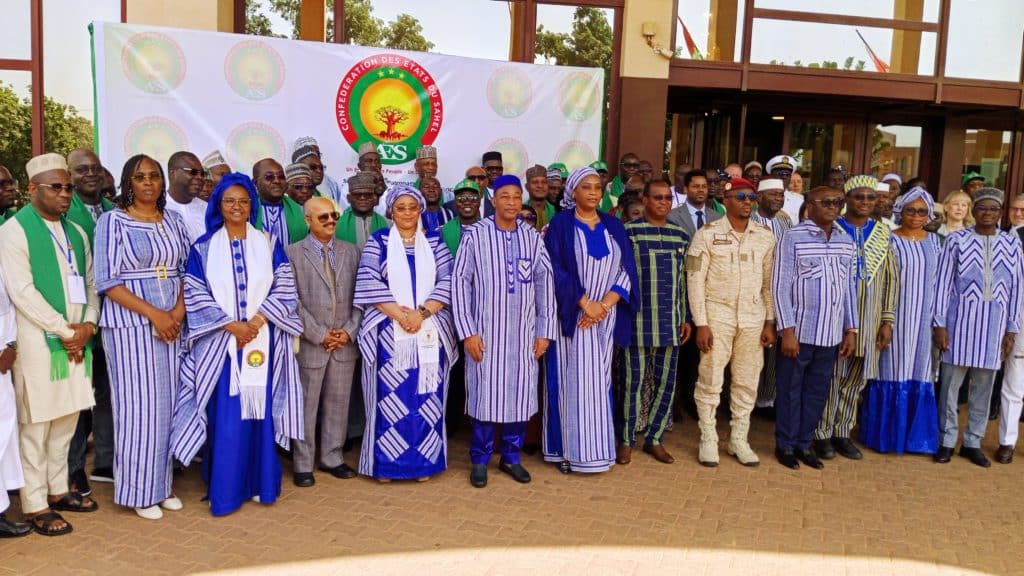
Burkina Faso: AES Harmonisation of Professional Mobility, Social Rights Advanced
Summary
- Officials from Burkina Faso, Mali, and Niger met in Ouagadougou on November 13, 2026, to discuss labor integration within the Confédération des États du Sahel (AES).
- The primary goal is to harmonize professional mobility rules and guarantee social rights for workers across the three member states.
- Key objectives include facilitating the free movement of labor, ensuring the recognition of social rights, and aligning administrative practices.
- These initiatives are considered crucial for the broader integration agenda of the Alliance des États du Sahel.
- The changes will impact cross-border labor laws, immigration procedures, and social security obligations for businesses operating in the region.
Regional Initiative for Labor Integration
The anticipated changes in cross-border labor laws, immigration procedures, and social security obligations will require a thorough review of current employment contracts and human resources policies to ensure continued adherence to new standards and to mitigate potential legal risks.
Officials responsible for labor and public service across Burkina Faso, Mali, and Niger convened in Ouagadougou on November 13, 2026, to address critical aspects of regional integration. The primary objective of this high-level gathering was to advance the AES harmonisation professional mobility social rights agenda, focusing on establishing unified frameworks for worker movement and social protections within the Confédération des États du Sahel (AES).
This meeting underscores a concerted effort by the member states to dismantle barriers to cross-border employment and ensure equitable treatment for all workers within the Alliance des États du Sahel. The discussions centered on creating a more cohesive labor market, which is seen as fundamental to the economic and social development of the region.
The participating nations aim to streamline administrative processes and legal provisions that currently govern the movement of professionals and the recognition of their social entitlements. This strategic alignment is considered a vital step towards fostering deeper integration among the AES member countries, reflecting a shared commitment to regional solidarity and progress.
Key Policy Objectives
The initiative is driven by several key policy objectives deemed essential for the successful integration of the Confédération des États du Sahel. Foremost among these is the establishment of free movement of workers, allowing individuals to pursue employment opportunities across the borders of Burkina Faso, Mali, and Niger without undue impediment. This freedom of movement is viewed as a cornerstone for enhancing regional economic vitality and cooperation.
Another critical aim is the comprehensive recognition of social rights for workers operating within the AES. This involves ensuring that individuals are afforded consistent protections and benefits, regardless of their specific country of employment within the alliance. Such measures are crucial for safeguarding Burkina Faso Mali Niger worker rights and promoting social equity.
Furthermore, the harmonization efforts extend to the rapprochement of administrative practices related to labor and public service. This alignment seeks to simplify bureaucratic procedures, making it easier for both employers and employees to navigate the regulatory landscape across the member states and facilitating Sahel social security harmonization.
Significance for the Sahel Region
The ongoing efforts to harmonize professional mobility and guarantee social rights represent major challenges and opportunities for integration within the Confédération des États du Sahel. For businesses and legal professionals, these developments signal significant changes to the existing Alliance des États du Sahel labour law landscape, necessitating a proactive approach to compliance and strategic planning.
As the AES moves towards a more integrated labor market, companies operating or planning to operate across Burkina Faso, Mali, and Niger must closely monitor the evolving regulatory environment. The anticipated changes in cross-border labor laws, immigration procedures, and social security obligations will require a thorough review of current employment contracts and human resources policies to ensure continued adherence to new standards and to mitigate potential legal risks.
Ultimately, the success of this AES free movement of workers initiative will be pivotal for the region's overall stability and prosperity. It promises to create a more dynamic and equitable employment ecosystem, benefiting both workers and employers by fostering greater mobility and ensuring robust social protections across the member states.
Practical Implications
Lawyers and compliance officers advising clients with operations or employees across Burkina Faso, Mali, and Niger must closely monitor the upcoming harmonization of professional mobility and social rights within the AES. This initiative will likely lead to significant changes in cross-border labor laws, immigration procedures, and social security obligations, necessitating a review of existing employment contracts and HR policies to ensure continued compliance and mitigate legal risks for businesses operating in these jurisdictions.
Source
How does this affect you?
Get an AI analysis of this article grounded in your jurisdictions, practice areas, and any policy documents you've uploaded to Wansom.
Finish Reading the Full Story and the Expert Analysis.
Get the latest legal & regulatory intelligence in Burkina Faso
Wansom is AI and can make mistakes.