
AES CEDEAO Négociations Dakar: Formal Talks Begin in Senegal
Summary
- Formal negotiations between the Alliance des États du Sahel (AES) and CEDEAO have commenced in Dakar, Senegal.
- The talks aim to reconcile the positions of the two blocs and preserve vital links among West African populations.
- Key discussion points include the free movement of people and goods, infrastructure, development, security, and legal-institutional matters.
- Foreign ministers from Burkina Faso, Mali, and Niger met previously to prepare their collective approach for the discussions.
- Regional and international envoys, including those from the African Union and United Nations, have expressed support for the ongoing dialogue.
What Happened
A significant portion of the talks is dedicated to complex questions juridiques institutionnelles AES CEDEAO.
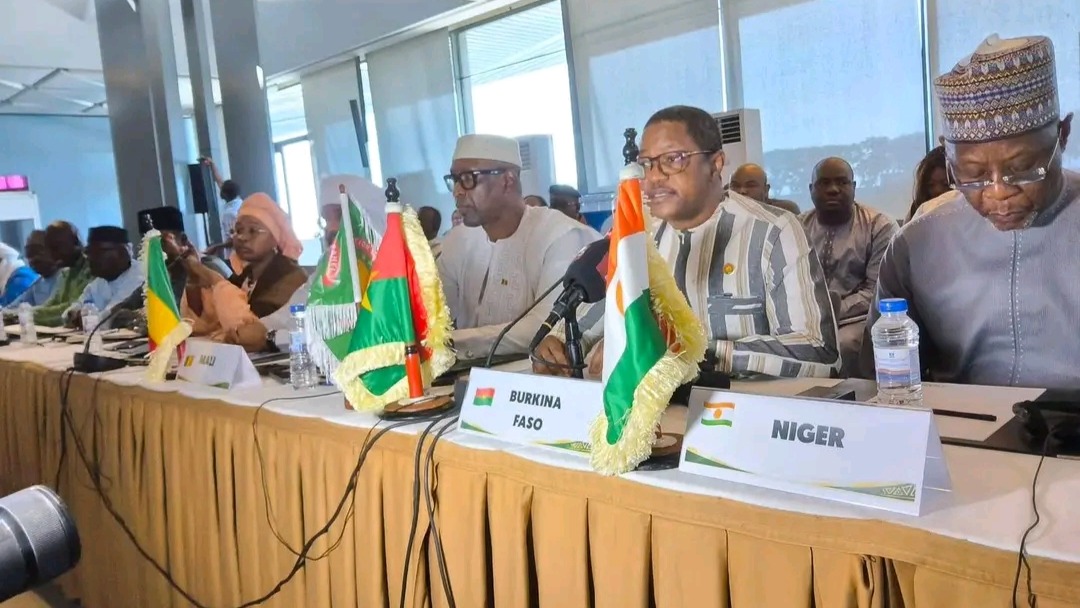
The inaugural formal negotiations between the Alliance des États du Sahel (AES) and the Economic Community of West African States (CEDEAO) have officially commenced in Dakar, Senegal. These critical discussions are designed to bridge the divergent positions that have emerged between the two blocs, while simultaneously working to preserve the vital social and economic connections among West African populations. This significant diplomatic engagement in Dakar follows extensive preparatory work undertaken by a joint delegation representing the AES, setting the stage for direct dialogue.
Prior to this high-level meeting, on October 16, the foreign ministers from Burkina Faso, Mali, and Niger convened in Ouagadougou. Their gathering was crucial for reviewing expert analyses and meticulously defining their collective approach and strategic priorities for the upcoming discussions with CEDEAO. The opening ceremony in Dakar was notably co-chaired by Karamoko Jean Marie Traoré, the Burkinabè Foreign Minister, who shared the responsibility with his Senegalese counterpart, representing the acting presidency of CEDEAO, underscoring the bilateral nature of the initial engagement.
Key Discussion Points
The agenda for these AES CEDEAO négociations Dakar is notably comprehensive, encompassing a range of crucial subjects designed to address the multifaceted challenges facing the West African region. Among the primary topics slated for discussion is the critical issue of the libre circulation personnes biens Afrique Ouest, aiming to ensure the unimpeded movement of individuals and goods across national borders, a cornerstone of regional integration. Discussions also delve into vital regional infrastructure projects, strategies for fostering economic development, and essential peace and security initiatives that are paramount for stability.
A significant portion of the talks is dedicated to complex questions juridiques institutionnelles AES CEDEAO. These legal and institutional issues are central to defining the future relationship and operational frameworks between the two entities, potentially reshaping regional governance. According to reports from Malijet, Minister Traoré emphasized the necessity of conducting these exchanges with utmost transparency and sincerity, consistently prioritizing the fundamental interests of the region's inhabitants throughout these detailed and sensitive discussions.
Regional and International Support
The profound importance of these ECOWAS AES talks Senegal was clearly underscored by the presence and statements of key regional and international figures, signaling widespread interest in a peaceful resolution. Lansana Kouyaté, who serves as CEDEAO's chief mediator to the AES, offered a poignant comparison, likening the gathering to an "arbre à palabres" – a traditional African forum renowned for open and constructive discussion – and strongly advocated for continued dialogue between the parties to effectively resolve their differences.
Further significant support for the negotiation process came from Mamadou Tangara, the African Union's Special Envoy for Mali and the Sahel, who publicly commended the inherent capacity of African nations to independently identify and implement solutions to their own disputes. Additionally, Leonardo Simão, the United Nations Special Representative for West Africa and the Sahel, conveyed his institution's full support for the ongoing process, highlighting the broader international recognition of the critical significance of these discussions for regional stability, cooperation, and future integration.
Practical Implications
Lawyers and compliance officers should closely monitor the outcome of these negotiations, especially concerning the free movement of people and goods, and institutional frameworks, as they could introduce significant changes to regional trade laws, immigration policies, and compliance obligations for entities operating across West African states.
Source
How does this affect you?
Get an AI analysis of this article grounded in your jurisdictions, practice areas, and any policy documents you've uploaded to Wansom.
Finish Reading the Full Story and the Expert Analysis.
Get the latest legal & regulatory intelligence in Senegal
Wansom is AI and can make mistakes.