
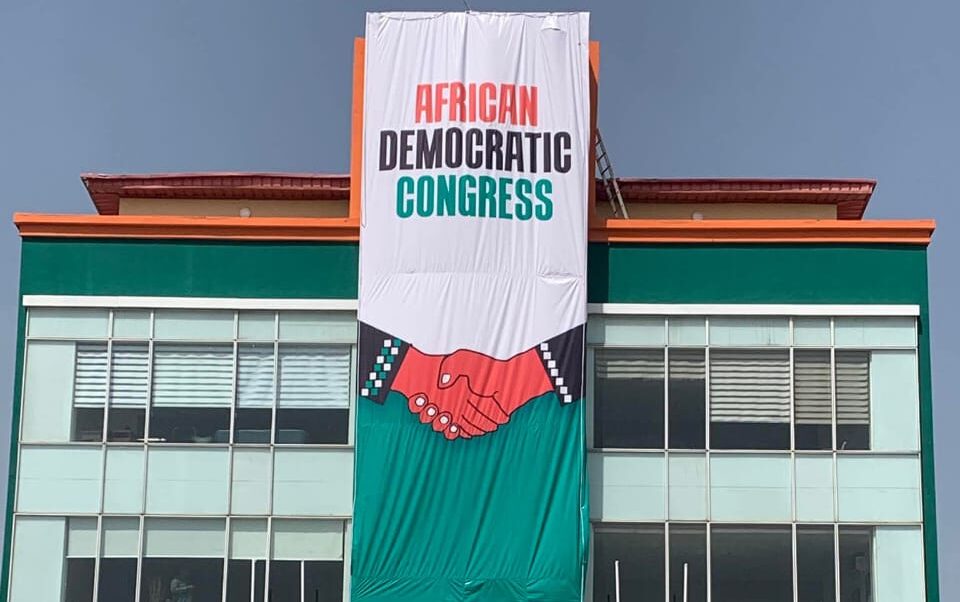
ADC Leadership Crisis: Nigeria Court Decisions Shape Party Future
Summary
- The African Democratic Congress (ADC) is currently experiencing a significant leadership crisis.
- This crisis has led to various court decisions aimed at resolving the internal party dispute.
- Several outstanding legal questions regarding the ADC's leadership remain unresolved.
- The resolution of these issues will have possible implications for the ADC's participation in the 2027 elections.
- These legal developments are crucial for understanding future electoral law and party dispute resolution in Nigeria.
The Ongoing Leadership Dispute
Lawyers advising political parties, candidates, or electoral bodies in Nigeria should closely track these developments, as they will set precedents for internal party dispute resolution and could substantially impact future electoral challenges and the compliance strategies that political entities must adopt in preparation for the 2027 elections.
The African Democratic Congress (ADC) is currently grappling with a significant internal leadership crisis, a situation that has drawn considerable attention within Nigeria's political landscape. This internal discord has necessitated intervention from the judicial system, leading to a series of court decisions aimed at resolving the factional leadership dispute. These rulings, though specific in their findings, collectively address the fundamental question of legitimate authority within the party. The existence of such a protracted legal battle underscores the challenges political organizations in Nigeria sometimes face in maintaining internal cohesion and adhering to established governance structures. The ADC leadership crisis Nigeria court decisions are therefore central to understanding the party's current operational status.
This ongoing struggle for control has created an environment of uncertainty, impacting the party's ability to operate with a unified vision. The various judicial pronouncements have sought to provide clarity, yet the very nature of these disputes often means that one ruling can lead to further appeals or new legal challenges. The complexity of the internal party dynamics, combined with the legal avenues pursued by different factions, contributes to the prolonged nature of the crisis, keeping the African Democratic Congress legal dispute at the forefront of political discussions.
Judicial Interventions and Unresolved Questions
The judicial process has played a pivotal role in attempting to clarify the leadership structure of the African Democratic Congress. Various courts have rendered judgments concerning the party's internal affairs, contributing to a complex body of Nigeria political party litigation. However, despite these interventions, the legal landscape surrounding the ADC factional leadership court rulings is not entirely settled. There remain several outstanding legal questions ADC faces, which continue to fuel uncertainty regarding the party's definitive leadership and operational framework. These unresolved issues highlight the intricate nature of electoral law Nigeria and the often-protracted timelines involved in judicial resolution of political disputes, ensuring that the party's internal affairs remain a subject of ongoing legal scrutiny.
The specific details of these judicial decisions, while numerous, collectively point to an evolving legal narrative that has yet to reach a definitive conclusion. Each ruling, whether at the trial court or appellate level, contributes to the intricate web of precedents and interpretations that define the current state of the ADC's leadership. The persistence of outstanding legal questions suggests that the path to a stable and universally recognized leadership within the party is still unfolding, demanding continued attention from stakeholders and observers alike.
Implications for the 2027 Elections
The ultimate resolution of the ADC leadership crisis, particularly through the finality of Nigeria court decisions, carries profound implications for the party's future, especially concerning the 2027 elections. The stability and clarity of leadership are paramount for any political entity preparing for a national electoral cycle. The presence of outstanding legal questions ADC faces means that the party's capacity to strategize, mobilize, and present a unified front for the upcoming elections could be significantly hampered. The outcomes of these legal battles will not only determine the legitimate leadership but also influence the party's ability to comply with electoral regulations and effectively field candidates. This situation serves as a critical case study for understanding the broader electoral law Nigeria 2027 implications for political parties embroiled in internal disputes.
Without a clear and undisputed leadership, the African Democratic Congress risks internal fragmentation and diminished public trust, both of which are detrimental to electoral success. The ability to conduct primaries, nominate candidates, and campaign effectively hinges on a stable command structure. Therefore, the finality of the court decisions and the resolution of all outstanding legal questions are not merely internal party matters but critical determinants of the ADC's viability and competitiveness in the highly anticipated 2027 general elections.
Broader Significance for Legal Practitioners
For legal professionals advising political parties, candidates, or electoral bodies in Nigeria, the ongoing developments in the African Democratic Congress legal dispute are of particular importance. The various court decisions and the eventual resolution of the outstanding legal questions ADC presents will inevitably set significant precedents. These rulings will shape how internal party dispute resolution mechanisms are interpreted and enforced by the judiciary in the future. Consequently, the lessons learned from the ADC leadership crisis Nigeria court decisions could substantially impact future electoral challenges and the compliance strategies that political entities must adopt in preparation for the 2027 elections.
Lawyers advising political parties, candidates, or electoral bodies in Nigeria should closely track these developments, as they will set precedents for internal party dispute resolution and could substantially impact future electoral challenges and the compliance strategies that political entities must adopt in preparation for the 2027 elections. Understanding these judicial pronouncements is crucial for navigating the complex terrain of Nigerian electoral jurisprudence, offering valuable insights into the evolving legal framework governing political parties and elections in the country.
Practical Implications
Lawyers advising political parties, candidates, or electoral bodies in Nigeria should closely track the resolution of the ADC leadership crisis and analyze the court decisions. These rulings will set precedents for internal party dispute resolution and could significantly impact future electoral challenges and compliance strategies for the 2027 elections.
Source
How does this affect you?
Get an AI analysis of this article grounded in your jurisdictions, practice areas, and any policy documents you've uploaded to Wansom.
Finish Reading the Full Story and the Expert Analysis.
Get the latest legal & regulatory intelligence in Nigeria
Wansom is AI and can make mistakes.