
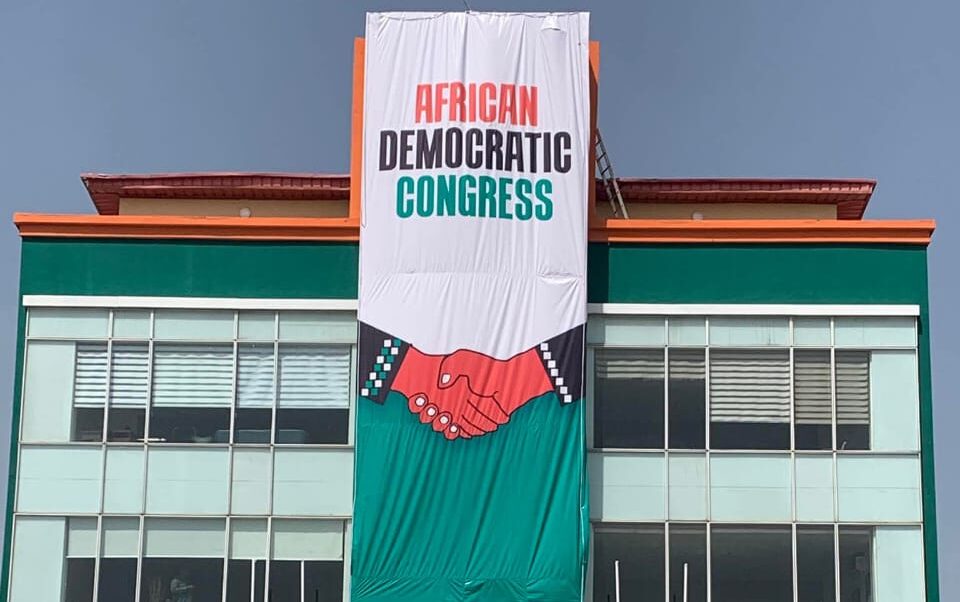
ADC Demands Probe: Nigeria Ministers Paid For Appointments Allegation
Summary
- The ADC Presidential Campaign Council has requested an explanation from President Tinubu.
- This demand concerns allegations that some ministers paid to secure their appointments.
- The allegations were attributed to a spokesperson associated with President Tinubu's campaign.
Allegations Surface Regarding Ministerial Appointments
This development signals potential heightened scrutiny on the integrity of public appointments in Nigeria, which could lead to future anti-corruption investigations or policy reforms impacting compliance for businesses interacting with government officials.
The Presidential Campaign Council of the African Democratic Congress (ADC) has formally called upon President Bola Ahmed Tinubu to address serious claims concerning the integrity of his cabinet appointments. This demand follows allegations attributed to an individual identified as a spokesperson associated with the President's own campaign. The core of the controversy revolves around a significant "Nigeria ministers paid for appointments allegation," suggesting that certain individuals within the cabinet may have secured their positions through financial transactions rather than merit.
The ADC's request for clarification underscores a growing concern about transparency in the process of selecting high-ranking government officials. The specific nature of the allegations points to a potential "President Tinubu cabinet payment scandal," which, if substantiated, could have far-reaching implications for public trust and the administration's anti-corruption stance. The demand highlights the need for the President to publicly explain the circumstances surrounding these claims and provide reassurance regarding the probity of his ministerial selections.
Legal and Ethical Frameworks
The "ADC allegations against Tinubu administration" touch upon critical legal and ethical standards governing public service in Nigeria. While the source does not detail specific legal proceedings, any claim of "public office bribery Nigeria" for securing appointments would fall under the purview of anti-corruption laws designed to prevent illicit enrichment and ensure integrity in governance. Such laws typically prohibit the offering or acceptance of financial inducements for official positions, aiming to safeguard the impartiality and effectiveness of government institutions.
The mere attribution of these claims to a campaign spokesperson, even if unverified, places a burden on the administration to demonstrate its commitment to ethical conduct. The legal framework in Nigeria, including acts like the Corrupt Practices and Other Related Offences Act, 2000, provides mechanisms for investigating and prosecuting instances of corruption. This development signals potential heightened scrutiny on the integrity of public appointments in Nigeria, which could lead to future anti-corruption investigations or policy reforms impacting compliance for businesses interacting with government officials.
Broader Implications for Governance
The gravity of the "Nigerian ministerial appointment corruption" allegations extends beyond the immediate individuals involved, potentially impacting the perception of governance and the fight against corruption within the country. Public confidence in government institutions is significantly eroded when there are suggestions that high offices can be bought rather than earned through competence and service. This situation could foster a climate of distrust, making it harder for the administration to implement its policies effectively and garner public support for its initiatives.
Furthermore, the demand for an explanation from the President himself elevates the issue to the highest level of government, indicating the seriousness with which the opposition views these claims. The outcome of President Tinubu's response, or lack thereof, will be closely watched by both domestic and international observers. It will serve as a crucial test of his administration's commitment to accountability and transparency, particularly in an environment where combating corruption remains a key public expectation.
Practical Implications
While currently an allegation, this development signals potential heightened scrutiny on the integrity of public appointments in Nigeria, which could lead to future anti-corruption investigations or policy reforms impacting compliance for businesses interacting with government officials.
Source
How does this affect you?
Get an AI analysis of this article grounded in your jurisdictions, practice areas, and any policy documents you've uploaded to Wansom.
Finish Reading the Full Story and the Expert Analysis.
Wansom is AI and can make mistakes.