
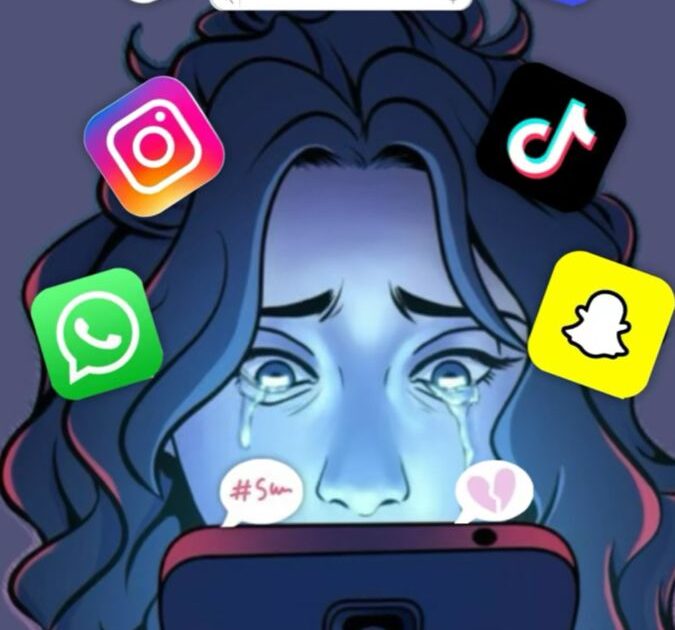
Accra High Court: Social Media Platforms Liable for Cyberbullying
Summary
- A single embarrassing moment can be amplified and ridiculed by a vast online audience in seconds.
- Ghana's laws on defamation and libel are well-established, but the country's cyberbullying landscape has seen significant developments with the enactment of the Cybersecurity Act 2020, and cyberbullying behaviors can now be prosecuted under existing laws.
- Social media-facilitated public humiliation is becoming increasingly prevalent in Ghana, with individuals and organizations finding themselves on the receiving end of online vitriol.
What Happened
The ease with which videos and images can be shared, captioned, and commented upon has created a perfect storm of online harassment, leaving many wondering what constitutes acceptable behavior in the digital age.
The rise of social media has transformed the way people interact and share content, often with devastating consequences for individuals caught in the crossfire. A single mistake or embarrassing moment can be amplified and ridiculed by a vast online audience, leading to public humiliation on an unprecedented scale. In Ghana, this phenomenon is becoming increasingly prevalent, with social media platforms serving as both catalysts and conduits for cyberbullying. The ease with which videos and images can be shared, captioned, and commented upon has created a perfect storm of online harassment, leaving many wondering what constitutes acceptable behavior in the digital age.
Legal Context
While Ghana's laws on defamation and libel are well-established, the country's cyberbullying landscape has seen significant developments with the enactment of the Cybersecurity Act 2020, and cyberbullying behaviors can now be prosecuted under existing laws. The Electronic Transactions Act 2008 (Act 772), which has since been amended and partially repealed, and the Computer Misuse Act 2008 provide some framework for addressing online harassment. In recent years, there has been a growing trend towards social media-facilitated public humiliation, with individuals and organizations increasingly finding themselves on the receiving end of online vitriol. As a result, lawyers are being forced to navigate uncharted waters, seeking to establish liability for those who share or create content that causes harm to others.
Why It Matters
The increasing trend of social media-facilitated public humiliation has significant implications for individuals and organizations alike. As more people turn to social media to express themselves, the risk of online harassment and cyberbullying grows exponentially. Lawyers should be aware of this trend and take steps to advise clients on how to mitigate their liability in cases where online content is shared without consent. By understanding the complexities of Ghana's cyberbullying landscape, lawyers can help protect individuals and organizations from the devastating consequences of public humiliation.
Practical Implications
Lawyers should watch for the increasing trend of social media-facilitated public humiliation and its potential to create liability for individuals or organizations, particularly in cases where online content is shared without consent.
Source
Source: Original reporting via Briefly
How does this affect you?
Get an AI analysis of this article grounded in your jurisdictions, practice areas, and any policy documents you've uploaded to Wansom.
Wansom is AI and can make mistakes.