
Abia 2027 Budget Capital Expenditure: Otti Proposes ₦960 Billion
Summary
- Abia State Governor Alex Otti presented a ₦1.23 trillion budget proposal for the 2027 fiscal year to the State House of Assembly.
- The proposed budget allocates 80 percent of its total outlay, or ₦960 billion, to capital expenditure.
- This significant focus on capital projects aims to drive development and long-term growth within Abia State.
What Happened
The decision to allocate 80 percent of the Abia 2027 budget capital expenditure, amounting to ₦960 billion, represents a robust developmental strategy for the state.
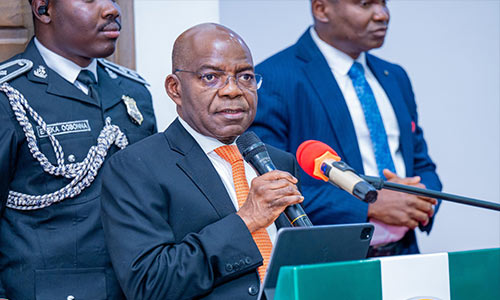
Abia State Governor, Dr. Alex Otti, recently presented the proposed budget for the 2027 fiscal year to the State House of Assembly, initiating a critical phase in the state's financial planning. This formal submission outlines the executive's vision for public spending and revenue generation, setting the economic direction for the coming year. The presentation is a standard, yet pivotal, step in the annual budgetary cycle, requiring legislative review and eventual approval to become law.
During his address to the lawmakers, Governor Otti unveiled a substantial financial blueprint, totaling ₦1.23 trillion. A key highlight of his presentation was the pronounced emphasis on capital expenditure, signaling a strategic priority for the state's development agenda. This move sets the stage for the Abia House of Assembly to commence its detailed consideration of the proposed allocations, ensuring fiscal responsibility and alignment with the state's broader objectives.
Budgetary Focus
The core of the proposed ₦1.23 trillion Abia State budget for 2027 is its unprecedented allocation towards capital expenditure. Governor Otti explicitly detailed that an impressive 80 percent of the entire budget outlay would be dedicated to capital projects. This translates into a significant sum of ₦960 billion, earmarked for investments in critical infrastructure, development initiatives, and other long-term assets designed to enhance public services and stimulate economic growth across the state.
This strategic prioritization means that a comparatively smaller portion, specifically 20 percent, is implicitly reserved for recurrent expenditure. This segment typically covers the day-to-day operational costs of government, including salaries, administrative overheads, and routine maintenance. The stark contrast between the capital and recurrent allocations underscores a deliberate shift in fiscal policy, aiming to channel the majority of public funds into tangible, transformative projects rather than merely sustaining existing operations.
Developmental Strategy
The decision to allocate 80 percent of the Abia 2027 budget capital expenditure, amounting to ₦960 billion, represents a robust developmental strategy for the state. Such a substantial commitment to capital projects indicates a clear governmental intent to address long-standing infrastructure deficits, foster economic diversification, and create an environment conducive to sustainable growth. This emphasis on investment in physical and social infrastructure is widely recognized as a powerful engine for job creation, improved public welfare, and enhanced productivity.
This ambitious financial plan, as articulated by Governor Alex Otti, positions Abia State to potentially undergo significant transformation. For a Nigeria state, a budget of ₦1.23 trillion with such a dominant capital expenditure component reflects an aggressive pursuit of progress. The proposed investment, once approved by the Abia House of Assembly budget review process, could serve as a catalyst for attracting further private sector investment and improving the overall quality of life for its citizens. This focus on long-term assets is a hallmark of governments aiming for enduring impact.
Practical Implications
Lawyers and compliance officers should scrutinize the detailed allocations within Abia State's 2027 capital expenditure budget for potential public procurement opportunities, infrastructure development projects, and areas where increased government spending may necessitate new regulatory compliance or present investment prospects for clients operating in or looking to engage with the state.
Source
How does this affect you?
Get an AI analysis of this article grounded in your jurisdictions, practice areas, and any policy documents you've uploaded to Wansom.
Finish Reading the Full Story and the Expert Analysis.
Get the latest legal & regulatory intelligence in Nigeria
Wansom is AI and can make mistakes.