
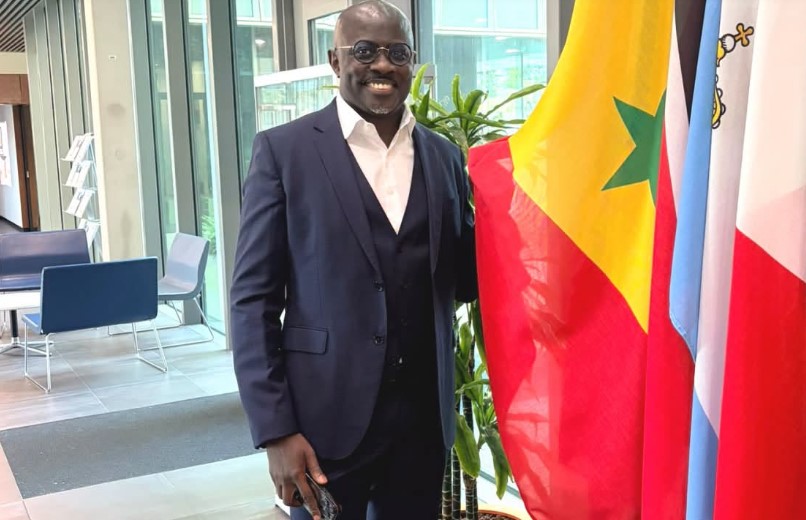
US Sanctions ICC Lawyer Abdoulaye Sèye Over Palestinian Probe
Summary
- The U.S. has expanded its sanctions list to include Abdoulaye Sèye, a senior Senegalese lawyer at the International Criminal Court (ICC) Prosecutor's Office.
- These sanctions are reportedly linked to the ICC's investigation into the Palestinian dossier.
- The move follows previous U.S. sanctions against another Senegalese individual, Mame Mandiaye Niang, in connection with the ICC.
- The information regarding Abdoulaye Sèye's sanction was first reported by Les Échos.
- The U.S. continues to exert pressure on the ICC, particularly concerning investigations it opposes.
US Expands Sanctions Against ICC Officials
The imposition of these measures against Mr. Sèye is understood to be linked to the ICC's investigation into the Palestinian dossier, an inquiry that has drawn strong opposition from the U.S. government.
The United States has recently broadened its list of individuals facing sanctions in connection with the International Criminal Court (ICC). Among those newly targeted is Abdoulaye Sèye, a Senegalese jurist who serves as a senior lawyer within the Office of the Prosecutor at the ICC. This development, initially reported by Les Échos, marks a significant escalation in the ongoing tensions between Washington and the international judicial body.
The imposition of these measures against Mr. Sèye is understood to be linked to the ICC's investigation into the Palestinian dossier, an inquiry that has drawn strong opposition from the U.S. government. The move underscores a persistent stance by the United States against what it perceives as overreach or politically motivated actions by the International Criminal Court, particularly concerning investigations involving its allies.
This is not the first instance of a Senegalese national being targeted in relation to the ICC by the U.S. government. Previously, Mame Mandiaye Niang, another Senegalese individual, was also subjected to U.S. sanctions, signaling a pattern of action against those associated with the court's operations and specific investigations.
Legal and Geopolitical Context
The U.S. government has historically expressed reservations about the jurisdiction of the International Criminal Court over non-member states, including the United States and its allies. These latest sanctions against Abdoulaye Sèye and other ICC officials reflect a continuation of this policy, aiming to deter the court from pursuing investigations that Washington deems illegitimate or politically motivated, such as the ICC Palestinian dossier sanctions.
Such measures typically involve financial restrictions, prohibiting U.S. persons from engaging in transactions with sanctioned individuals and freezing any assets they may hold under U.S. jurisdiction. The targeting of a senior lawyer like Mr. Sèye, who plays a crucial role in the ICC Prosecutor's Office, sends a clear message regarding the U.S. administration's resolve to challenge the court's authority in specific, sensitive cases.
This expansion of US sanctions targeting ICC personnel highlights the complex geopolitical landscape surrounding international justice. It places legal professionals working for international bodies in a precarious position, potentially exposing them to significant personal and professional risks depending on the nature of their work and the political sensitivities involved.
Implications for International Justice
The decision to sanction Abdoulaye Sèye, a key figure within the ICC Prosecutor's Office, could have a chilling effect on the court's ability to conduct its investigations independently and without external pressure. By targeting individuals directly involved in legal processes, the US sanctions International Criminal Court officials in a manner that could impede the pursuit of justice for victims of alleged international crimes.
This action, following previous sanctions against Mame Mandiaye Niang and others, reinforces concerns among human rights advocates and international law experts about the erosion of the ICC's operational autonomy. The persistent pressure from a major global power like the United States raises questions about the future efficacy and impartiality of the court, particularly in politically charged investigations like the Palestinian dossier.
The broader implications extend to the principle of universal jurisdiction and the independence of international legal institutions. The targeting of a Senegalese lawyer sanctioned US, Abdoulaye Sèye CPI, for his professional role within an international body, underscores the challenges faced by global governance mechanisms when confronted with national interests and sovereign objections.
Practical Implications
Lawyers and compliance officers should note the expanding reach of US sanctions targeting individuals associated with the ICC, particularly in politically sensitive investigations. This development underscores the geopolitical risks for legal professionals working in international justice and may necessitate enhanced due diligence for clients with exposure to such international bodies or US jurisdiction.
Source
Source: Original reporting via Les Échos
How does this affect you?
Get an AI analysis of this article grounded in your jurisdictions, practice areas, and any policy documents you've uploaded to Wansom.
Wansom is AI and can make mistakes.