
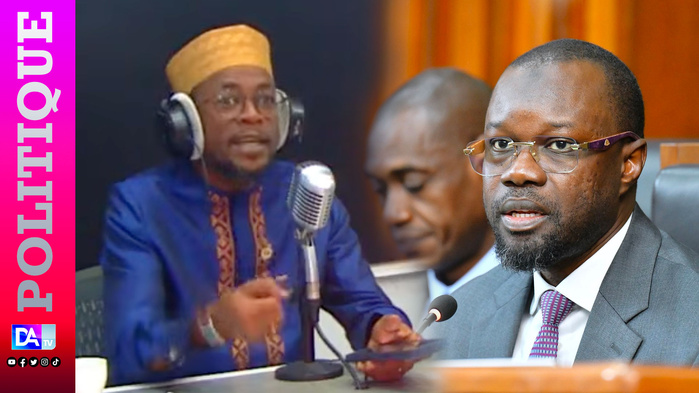
Abdou Mbow: Critiques Qualité Lois Sénégal, Citing Constitutional Council Challenges
Summary
- Deputy Abdou Mbow criticized the Senegalese parliamentary majority for its inability to draft legally sound legislation.
- Mbow stated that "three" bills introduced by the majority have faced difficulties before the Constitutional Council, a situation he deems unprecedented.
- He highlighted a perceived lack of expertise and rigorous working methods among deputies, despite the ruling camp claiming "4,000 cadres."
- Mbow linked institutional weaknesses to the country's economic fragility and urged citizens to be vigilant against political opponents he labeled populists and manipulators.
- This critique follows a previous disagreement on August 17, 2026, when Mbow challenged a constitutional amendment report, which was subsequently rejected.
What Happened
When bills face repeated challenges before the Constitutional Council, it not only raises questions about the expertise parlementaire Sénégal but also introduces a degree of legal uncertainty that can impact citizens and businesses alike.
Deputy Abdou Mbow recently voiced significant concerns regarding the legislative output of the Senegalese Parliament, particularly criticizing the ruling majority's capacity to produce robust legal frameworks. Appearing on the "RFM MATIN" program, hosted by Babacar Fall, Mbow's remarks, subsequently reported by Dakaractu, highlighted what he perceives as a systemic weakness in the quality of parliamentary work. He specifically pointed to instances where the parliamentary majority has introduced bills that later encountered substantial difficulties when reviewed by the Constitutional Council.
Mbow cited "three" such legislative texts that faced challenges, describing the current situation as unprecedented in the recent political history of Senegal. His critique extends beyond individual bills, focusing instead on the fundamental expertise and procedural methodologies employed by the legislative body. This public intervention underscores a growing debate about the integrity and effectiveness of the law-making process in the country.
Scrutiny of Legislative Quality
At the heart of Abdou Mbow's critique lies a deep concern for the `qualité rédaction législative Sénégal`. He emphasized that parliamentarians must dedicate themselves to thorough study, actively seek out necessary expertise, and meticulously evaluate the potential ramifications of any proposed legislation brought before the National Assembly. Mbow articulated this need by stating that deputies "must study, they must seek knowledge, they must see how to legislate," underscoring a perceived deficit in these areas.
He drew a stark contrast between the ruling camp's claim of possessing "4,000 cadres" and what he views as their inability to craft sound laws. This apparent paradox, where a large pool of qualified individuals seemingly fails to translate into effective legislative drafting, forms a central pillar of his argument regarding `faiblesses législatives Sénégal`. Furthermore, Mbow declared his unwillingness to continue offering advice to his political adversaries, accusing them of being resistant to counsel and lacking essential understanding.
Institutional Weaknesses and Political Disagreements
Mbow's institutional criticisms extend beyond the legislative process itself, linking perceived parliamentary shortcomings to the nation's broader economic health. He accused the current administration of simultaneously undermining both the economy and key state institutions, suggesting a wider pattern of governance issues. In light of these concerns, he urged Senegalese citizens to maintain vigilance, characterizing his political opponents as not merely populists but also manipulators.
This recent public stance by Abdou Mbow is not an isolated incident but follows a prior significant parliamentary disagreement. On August 17, 2026, Mbow had challenged a report concerning a proposed amendment to Article 37 of the Constitution. His preliminary question on the matter was ultimately rejected during a plenary session, leading to Ousmane Sonko, the President of the National Assembly, reminding him of parliamentary rules. This earlier episode highlights a pattern of Mbow raising concerns about legislative procedures and constitutional adherence, often bringing the `Conseil Constitutionnel lois Sénégal` into focus.
Why It Matters
The `Abdou Mbow critique qualité lois Sénégal` carries significant weight, signaling potential systemic vulnerabilities within the country's legislative framework. When bills face repeated challenges before the Constitutional Council, it not only raises questions about the `expertise parlementaire Sénégal` but also introduces a degree of legal uncertainty that can impact citizens and businesses alike. The deputy's assertions about the majority's struggles to produce legally sound texts, despite claiming a wealth of qualified personnel, point to deeper issues in legislative drafting and review processes.
These concerns, if unaddressed, could lead to an erosion of public trust in the National Assembly and the broader institutional landscape. The call for deputies to enhance their study, seek expertise, and thoroughly assess legislative consequences is a direct appeal for greater rigor in law-making. Ultimately, the quality of legislation directly influences governance effectiveness and the stability of the legal environment, making Mbow's observations critical for the future of Senegalese jurisprudence.
Practical Implications
This article signals potential systemic weaknesses in legislative drafting within the Senegalese Parliament, which could lead to increased legal uncertainty or constitutional challenges for new laws. Lawyers and compliance officers should exercise heightened scrutiny when advising on recently enacted legislation or anticipating future reforms, given the concerns raised about legal soundness and parliamentary expertise.
Source
How does this affect you?
Get an AI analysis of this article grounded in your jurisdictions, practice areas, and any policy documents you've uploaded to Wansom.
Finish Reading the Full Expert Analysis.
Wansom is AI and can make mistakes.