
Abdelwahid El Nur (SLM-AW): Rejects El Burhan Dialogue in Sudan
Summary
- Abdelwahid El Nur's SLM-AW has reaffirmed its rejection of dialogue proposed by Sudan's Sovereignty Council chair Abdelfattah El Burhan, viewing it as a bid to legitimize his coup.
- The SLM-AW advocates for genuine, inclusive dialogue only after the war ends, with specific exclusions for the National Congress Party and Islamic Movement.
- The Alliance of Civil Forces for Eastern Sudan supports the "Peace We Want" document and calls for international sanctions against Ali Karti's group.
- Eastern Sudan's alliance also backs the Quad initiative's principles for peace and supports increased international pressure, including sanctions on war-sustaining capabilities.
- Compliance officers and legal counsel should closely monitor potential international sanctions targeting Ali Karti's group and other warring factions due to new compliance obligations and operational impacts.
Key Faction Rejects Dialogue Amidst Peace Efforts
Compliance officers and legal counsel must closely monitor the evolving situation in Sudan, particularly regarding any potential international measures targeting specific individuals or entities.
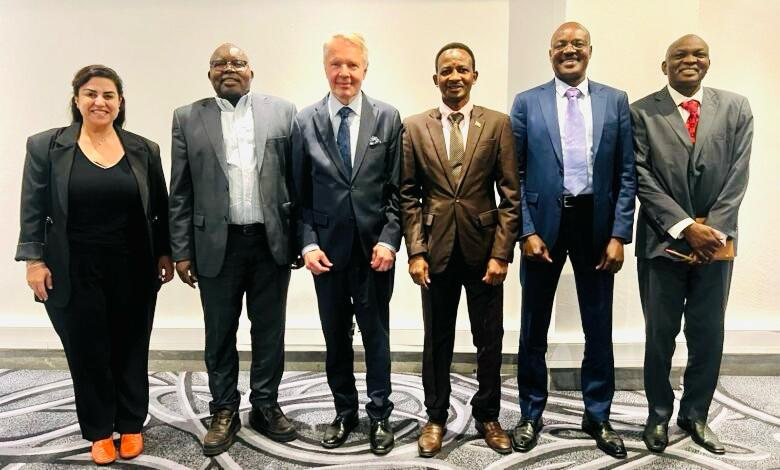
The Sudan Liberation Movement, led by Abdelwahid El Nur (SLM-AW), has unequivocally reiterated its rejection of the dialogue initiative put forth by Abdelfattah El Burhan, who chairs Sudan’s Sovereignty Council. A delegation, headed by Abdelwahid El Nur himself, conveyed this stance during a meeting with Pekka Haavisto, the UN secretary-general’s personal envoy, in Nairobi, Kenya. The movement views El Burhan's proposed discussions as an attempt to legitimize his coup, drawing parallels to the previous "National Dialogue" initiated by Omar Al Bashir.
The SLM-AW maintains that such dialogues are insufficient to resolve Sudan's profound crisis. Instead, they advocate for a truly inclusive and genuine dialogue that can only commence once the ongoing conflict has been definitively halted and concluded. The movement specified that the only entities to be excluded from such a process should be the National Congress Party, the Islamic Movement, their affiliated groups, and any other parties that oppose this proposed framework.
Eastern Sudan Calls for Sanctions and Unified Peace
Concurrently, the Alliance of Civil Forces for Eastern Sudan has publicly welcomed the "Peace We Want" document, a proposal developed by various civilian and political entities that oppose the current war. This alliance has also issued a strong call for international sanctions to be imposed on what it describes as a terrorist group operating under the leadership of Ali Karti. Furthermore, the group declared its full endorsement of the outcomes from the Addis Ababa meeting, which explicitly rejects any initiatives that do not guarantee a comprehensive end to the conflict and advocates for a genuine peace process that prioritizes Sudanese national interests above all else.
Saleh Ammar, the spokesman for the alliance, affirmed their support for the principles outlined in the Quad initiative, dated September 12, 2025. These crucial principles include safeguarding Sudan's unity, bringing an end to the war, alleviating the humanitarian catastrophe, ensuring civilian leadership in the political transition, and excluding the Islamic Movement from future governance. Ammar emphasized that these principles should serve as the guiding framework for the Quintet's efforts, whose work the alliance acknowledges as valuable. He underscored the critical importance of shielding the peace process from undue influence by the warring factions, their regional allies, and any other actors whose objectives conflict with the pursuit of lasting peace.
Ammar further articulated that the continuation of hostilities primarily benefits the warring parties at the expense of the civilian population, exacerbating humanitarian suffering and depleting the nation's resources. Consequently, the alliance supports international measures to intensify pressure on these factions, including sanctions and restrictions on capabilities used to sustain the conflict, such as aircraft, drones, and other means responsible for casualties and property destruction. Ammar specifically highlighted the need for international action against the "terrorist network" led by Ali Karti, accusing it of obstructing peace efforts, promoting racist rhetoric, and undermining social cohesion. He also urged political and community leaders in eastern Sudan to engage in serious dialogue to protect social harmony and strengthen stability, warning that history would hold all accountable for their stances on the conflicts and divisions that have harmed communities and diverted attention from fundamental issues of justice and development, while also calling for action against all forms of looting, exploitation, and abuses.
Compliance Implications of Potential Sanctions
The explicit call for international sanctions against Ali Karti's group and other factions involved in sustaining the conflict carries significant implications for global compliance officers and legal counsel. These professionals must closely monitor the evolving situation in Sudan, particularly regarding any potential international measures targeting specific individuals or entities. Such sanctions could introduce new and complex compliance obligations for businesses and financial institutions operating in or interacting with the region.
Should international bodies implement the requested sanctions, companies could face restrictions on transactions, asset freezes, and other prohibitions related to designated parties. This necessitates a thorough review of existing due diligence processes and supply chains to ensure adherence to new regulatory frameworks. Failure to comply could result in severe penalties, reputational damage, and significant operational disruptions for entities with exposure to Sudan.
Practical Implications
Compliance officers and legal counsel should closely monitor developments regarding potential international sanctions targeting Ali Karti's group and other warring factions in Sudan, as these could create new compliance obligations and impact financial or business operations in the region.
Source
How does this affect you?
Get an AI analysis of this article grounded in your jurisdictions, practice areas, and any policy documents you've uploaded to Wansom.
Finish Reading the Full Story and the Expert Analysis.
Wansom is AI and can make mistakes.