
ABA Monitors New PSLF Challenges for Borrowers
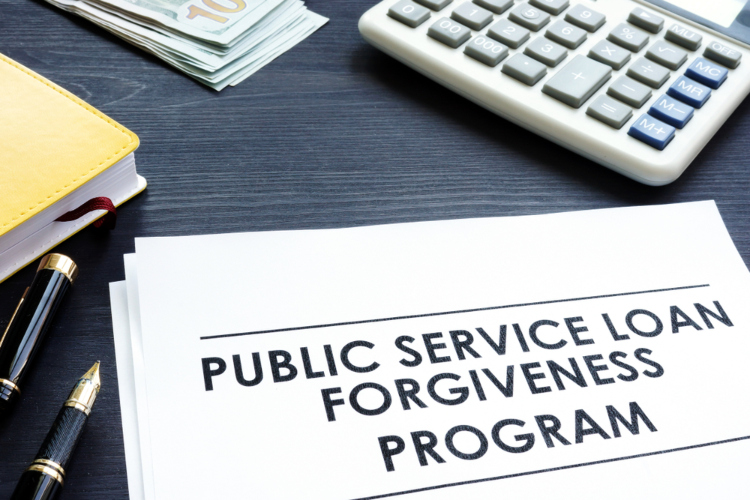
On October 28, 2026, the American Bar Association (ABA) reported that it is closely monitoring new and escalating challenges faced by Public Service Loan Forgiveness (PSLF) program borrowers, including lawyers, as they attempt to navigate the complex requirements for federal student loan discharge. These challenges encompass processing delays, payment record errors, growing application backlogs, and changes in Department of Education policies and procedures, some of which have been implemented with little or no public notice. The ABA highlighted that significant staffing cuts, including a 40% reduction in the Federal Student Aid office, are exacerbating these issues, leading to concerns about the prompt resolution of problems.
This development is profoundly significant for practitioners, businesses, and the public, as it signals potential systemic failures within a crucial federal program designed to incentivize public service. The reported administrative hurdles could lead to widespread financial hardship for public service professionals who have relied on the PSLF program's promise, potentially impacting career choices and the stability of public sector employment. The integrity and efficacy of the PSLF program are at stake, and the issues could trigger increased litigation, legislative scrutiny, or advocacy efforts to ensure the program's intended benefits are realized for eligible borrowers.
The PSLF program was established by Congress in 2007 through the College Cost Reduction and Access Act, with support from the ABA, to provide forgiveness of remaining federal direct loan balances after 120 qualifying monthly payments made while employed full-time in qualifying public service jobs. The program is administered by the U.S. Department of Education, specifically its Federal Student Aid office. The issues described touch upon fundamental principles of administrative law, including due process, transparency in government action, and the potential for arbitrary agency decisions, particularly concerning policy changes implemented without adequate public notice. The key parties involved are the American Bar Association (monitoring), the U.S. Department of Education and its Federal Student Aid office (administering), and the public service student loan borrowers (affected individuals).
Attorneys, particularly those in public service or advising clients on student loan matters, must remain exceptionally vigilant regarding the evolving landscape of the PSLF program. It is imperative to advise clients to meticulously document all payments, employment certifications, and communications with loan servicers and the Department of Education. Given the reported discrepancies, practitioners should counsel clients to proactively monitor their payment counts, promptly challenge any errors or missing credits, and be prepared for potential delays or changes in eligibility criteria. This situation may also present opportunities for class action litigation or advocacy for legislative and regulatory reforms to address the systemic issues and ensure the program's intended purpose is fulfilled.
How does this affect you?
Get an AI analysis of this article grounded in your jurisdictions, practice areas, and any policy documents you've uploaded to Wansom.
Finish Reading the Full Story and the Expert Analysis.
Wansom is AI and can make mistakes.