
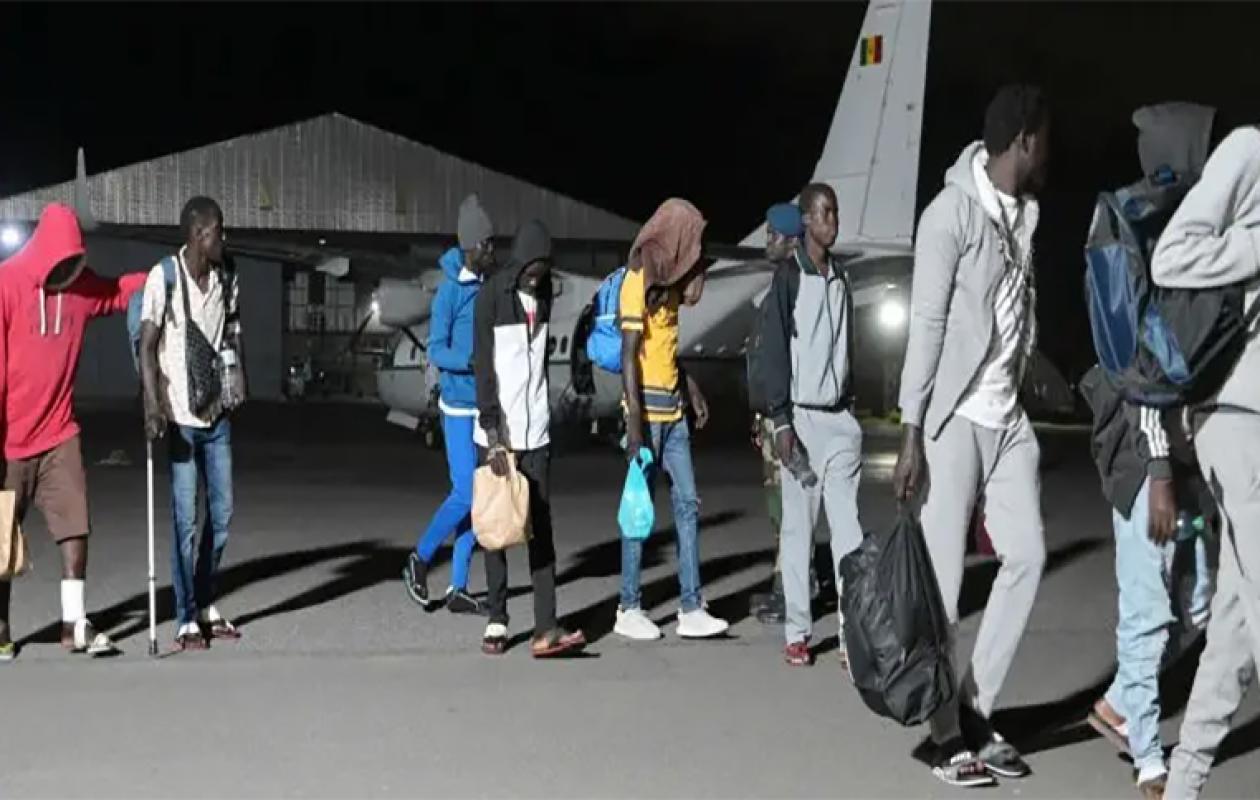
Sénégal: Rapatriement Volontaire de 400 Sénégalais du Maroc
Summary
- 400 Senegalese nationals began a voluntary repatriation from southern Morocco on October 30.
- These individuals were housed in Argoub and Bir-Gandouz centers in Morocco.
- The return operation is being conducted using ten buses, each with a capacity for 40 passengers.
- This rapatriement volontaire Sénégalais Maroc follows a series of pirogue interceptions at sea.
- A diplomatic source, cited by APS, confirmed the details of this organized return.
The Voluntary Repatriation Initiative
This organized retour 400 Sénégalais Maroc operation carries broader implications for regional migration dynamics and the enforcement of border policies.
A significant operation for the voluntary return of Senegalese nationals from Morocco commenced on Friday, October 30. This initiative involves four hundred individuals who had been residing in the southern regions of Morocco, marking a notable instance of rapatriement volontaire Sénégalais Maroc. The process of their return is being facilitated through organized transport, underscoring a structured approach to managing migrant populations.
These 400 Senegalese citizens were previously accommodated in designated centers located in Argoub and Bir-Gandouz, situated in Morocco's southern territories. Their journey back to Senegal is being executed via a fleet of ten buses, each configured to carry forty passengers, ensuring a systematic and managed retour 400 Sénégalais Maroc. The details of this large-scale movement were confirmed by a diplomatic source, as reported by the Agence de Presse Sénégalaise (APS), providing official insight into the operation.
Context of the Returns
The decision for this group of Senegalese nationals to undertake a voluntary return follows a period marked by increased maritime surveillance and interdiction efforts. This politique rapatriement migrants comes in the wake of multiple interception pirogues Sénégal incidents at sea, which brought these individuals to Moroccan territory. These interceptions involved vessels attempting to cross maritime routes, ultimately leading to the presence of these individuals in Morocco and the subsequent need for a repatriation strategy.
The voluntary nature of this rapatriement volontaire Sénégalais Maroc underscores a specific, cooperative approach to managing migrant populations between the two nations. It suggests a coordinated effort in the gestion migrants Maroc Sénégal, moving individuals from temporary accommodation back to their home country. This operation highlights the ongoing challenges associated with irregular migration and the structured responses from regional authorities to address such movements.
Broader Implications for Migration Management
This organized retour 400 Sénégalais Maroc operation carries broader implications for regional migration dynamics and the enforcement of border policies. It demonstrates a practical implementation of existing agreements or understandings between Senegal and Morocco regarding the handling of their respective citizens who find themselves in transit or stranded. Such large-scale, voluntary returns are a key component of contemporary politique rapatriement migrants strategies employed by states facing similar migratory pressures.
The involvement of diplomatic sources and official news agencies in reporting this event further emphasizes its structured and official character, indicating a formal process rather than an ad-hoc response. While the specific terms of any accord migration Sénégal Maroc are not detailed in the immediate context, the execution of this repatriation suggests established protocols are in place for the gestion migrants Maroc Sénégal. This ongoing collaboration reflects a continuous effort to address the complexities of human mobility across borders, particularly in the context of irregular routes and the safety of migrants.
Practical Implications
Lawyers specializing in immigration or human rights should monitor the legal frameworks and bilateral agreements governing voluntary repatriation between Senegal and Morocco, as these operations indicate active enforcement and potential implications for migrants' rights and future re-entry.
Source
Source: Original reporting via APS
How does this affect you?
Get an AI analysis of this article grounded in your jurisdictions, practice areas, and any policy documents you've uploaded to Wansom.
Finish Reading the Full Story and the Expert Analysis.
Wansom is AI and can make mistakes.