
2 Montgomery County Magnet Stories Raise 1 Question About Access
What Happened
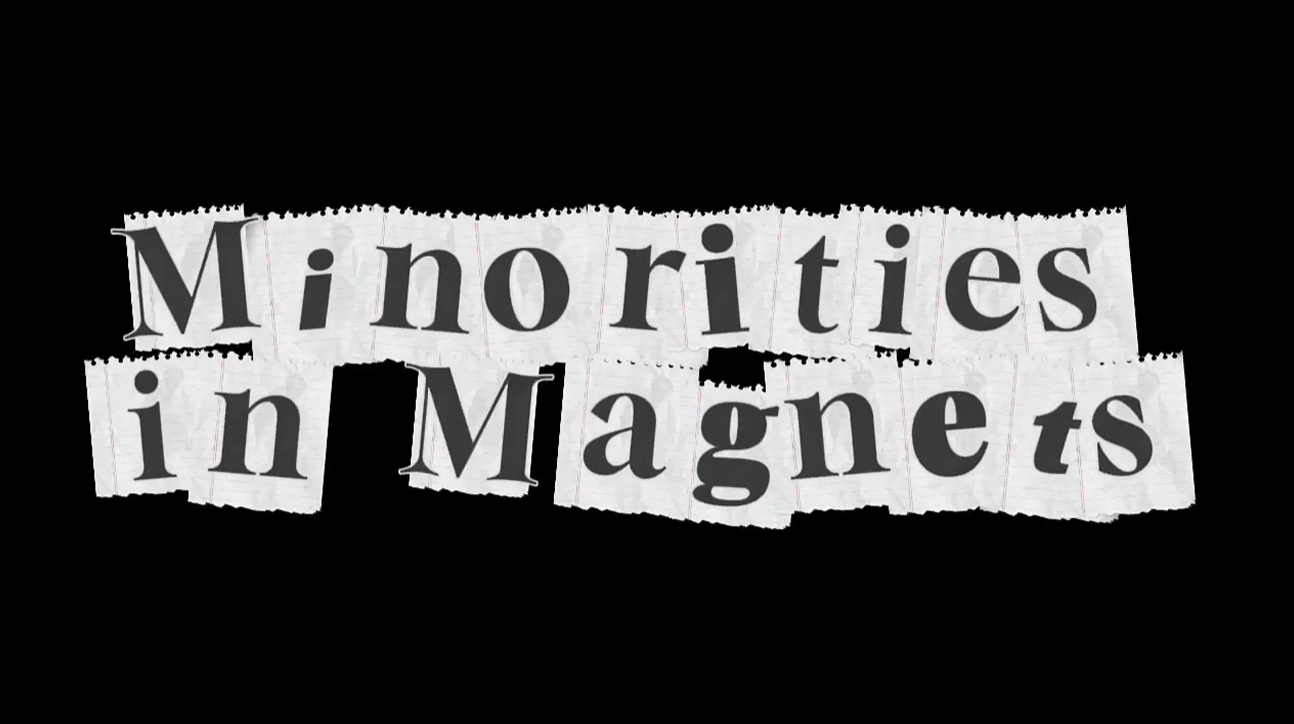
By Mario A. Sulllivan November 24, 2026, 1:04 pm CST Minorities in Magnets was the winner of the ABA Section of Civil Rights and Social Justices 2026 High School Civil Rights Film Competition. A high school filmmaker saw a problem in Montgomery County, Maryland’s selective programs: Lack of representation of students of color had an impact on their educational experiences. At nearly the same time, a lawsuit challenging admissions to the county’s middle school magnet programs reached the U.S. Supreme Court. Although these stories involve different programs and raise different questions, they share an important issue: How do we determine whether an admissions system provides fair access to educational opportunities, and what evidence should matter? The ABA Section of Civil Rights and Social Justice recognized Minorities in Magnets , directed by Toftaa Fedhaa, as the first place winner of the sections 2026 High School Civil Rights Film Competition . Her film explores the experiences of students of color in the Montgomery County Public Schools’ high school magnet programs and the effects of their underrepresentation. Separately, on Oct. 19, the Supreme Court agreed to hear Association for Education Fairness v. Montgomery County Board of Education . The case concerns admissions to four selective middle school magnet programs, not the high school programs discussed in the film. While the court did not rule on whether the districts admissions policy is discriminatory, it agreed to consider a narrower legal question about the evidence plaintiffs must present when challenging a facially neutral admissions policy as racially discriminatory. The Association for Education Fairness alleges that Montgomery Countys admissions policies intentionally disadvantaged Asian American students. The school district maintains that its admissions system is designed to provide equitable access to rigorous educational opportunities. After initially challenging a field test, the plaintiffs challenged a revised lottery-based system introduced for the 2021-2022 school year. That system screened students for their potential to benefit from enriched instruction and then used a lottery to assign students to magnet programs or enriched instruction at their neighborhood schools. The federal district court dismissed the challenge to the revised plan, finding that the plaintiffs had not adequately alleged discriminatory effect or intent. The 4th U.S. Circuit Court of Appeals at Richmond, Virginia, affirmed, applying circuit precedent on disparate impact allegations. The Supreme Court will now consider whether a plaintiff challenging a facially neutral admissions policy must demonstrate that the affected group experienced an aggregate “disparate impact” compared with its share of the applicant pool. Put simply, “disparate impact” refers to a policy that produces unequal outcomes for a particular group, even when the policy does not expressly classify individuals by race. An equal protection challenge also raises the question of discriminatory purpose. The courts decision will address the legal standards governing these types of claims and whether a particular showing of aggregate impact is required before such a claim may proceed, not whether Montgomery Countys policy ultimately violates the Constitution. The court has not yet decided the merits of the case. The film underscores why the conversation should not only focus exclusively on admissions policies, statistics and legal standards but should also consider the voices and experiences of students. The file and the lawsuit should not be confused or treated as evidence of one another. They involve different grade levels, programs and legal questions. The experiences described in the film do not establish what happened in the middle school admissions process, just as the allegations in the lawsuit do not resolve the concerns raised by high school students. Although selective educational programs can open doors to a
Source
How does this affect you?
Get an AI analysis of this article grounded in your jurisdictions, practice areas, and any policy documents you've uploaded to Wansom.
Finish Reading the Full Story and the Expert Analysis.
Get the latest legal & regulatory intelligence in United States
Wansom is AI and can make mistakes.