
11th Circuit: Refuses to Scrap Florida 'Radioactive' Road, Upholds EPA
Summary
- The 11th Circuit Court of Appeals upheld the EPA's approval of a one-mile test road in Florida made from radioactive phosphogypsum.
- Environmental groups, including the Center for Biological Diversity, argued the road posed unacceptable public health risks, but the court found the EPA's risk assessment sound and compliant with regulations.
- Senior U.S. Circuit Judge Stanley Marcus stated the EPA's methodology was coherent and its conclusion that the project fell within acceptable risk parameters was well-supported.
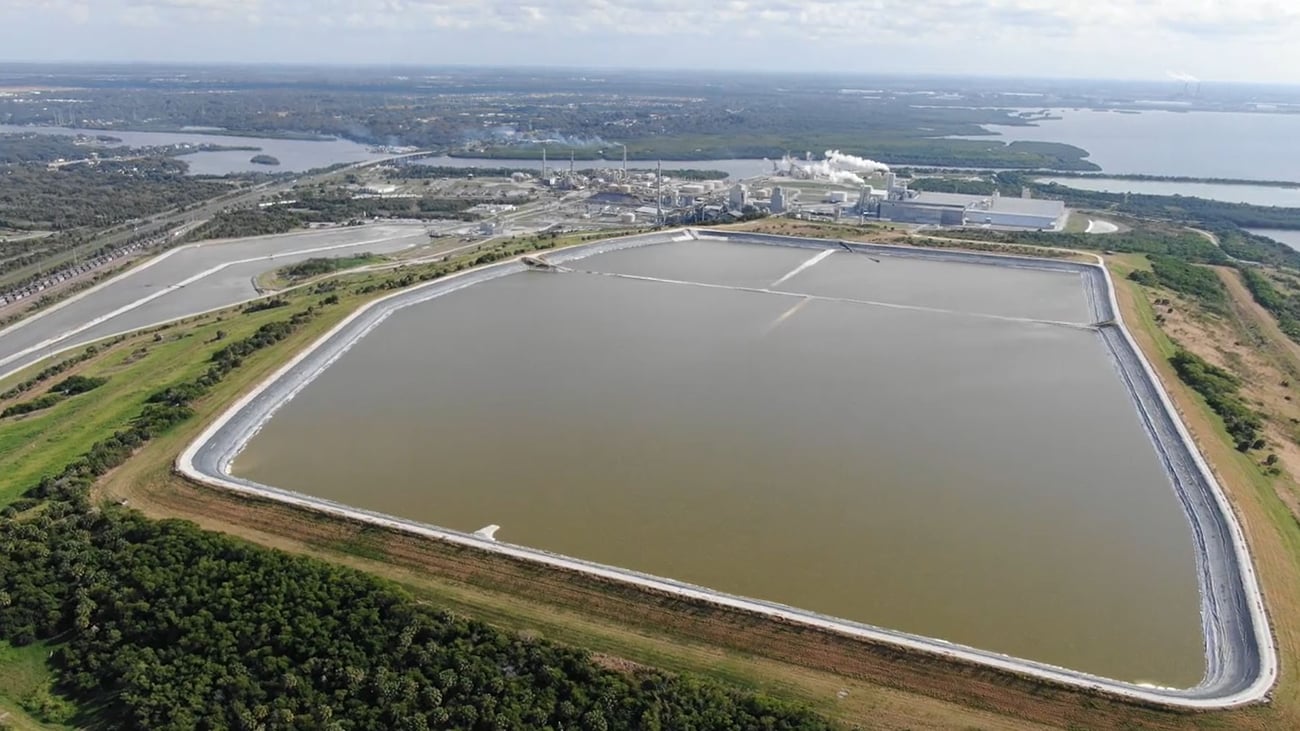
- Phosphogypsum is a radioactive byproduct of fertilizer manufacturing, with five tons produced for every ton of fertilizer, and is currently stored in large stacks that emit dangerous radon gas.
- The test road was built by Mosaic Company at its New Wales facility, the same site where a 2016 sinkhole released millions of gallons of contaminated water into Florida's drinking water aquifer.
11th Circuit Upholds EPA's 'Radioactive Road' Approval
Environmental advocates, however, warn that this pilot project, approved by the EPA in 2024, sets a dangerous precedent for the widespread use of toxic waste in road construction across the nation.
A federal appellate court has affirmed the Environmental Protection Agency's decision to permit the construction of a test road in Florida using phosphogypsum, a radioactive byproduct of fertilizer manufacturing. The 11th Circuit panel unanimously rejected a petition from environmental advocacy groups, which had sought to overturn the EPA's approval of the one-mile stretch, dubbed a 'radioactive road' by its critics. The three-judge panel concluded that the EPA had not violated any regulations in its authorization process and that its rationale was both well-supported and appropriately tailored to the project.
The ruling comes after the Center for Biological Diversity initiated legal action, contending that the phosphogypsum-based road presented an unacceptable risk to public health. Despite these concerns, the court's decision effectively allows the pilot project to proceed, maintaining the EPA's determination that the road falls within acceptable risk parameters. This outcome is significant for the fertilizer industry, which has long sought alternative uses for the vast quantities of phosphogypsum it produces.
Judicial Rationale and Regulatory Compliance
Senior U.S. Circuit Judge Stanley Marcus, writing for the panel, articulated that the EPA’s risk assessment provided a coherent and well-explained methodology. The agency clearly identified the specific exposure pathways it evaluated, described its reasonable assumptions, and ultimately determined that the road project met acceptable safety standards. Judge Marcus emphasized that while the Center for Biological Diversity might disagree with the EPA’s technical choices or its final conclusion, such disagreement alone does not render an agency’s reasoned determination arbitrary or capricious.
During oral arguments in April, attorneys representing the U.S. Department of Justice’s Environment and Natural Resources Division highlighted that the EPA had conducted a comprehensive three-year risk assessment before granting its approval. The panel found the agency justified in its conclusion that constructing a private road at a facility already storing phosphogypsum was no less safe than leaving the material in existing stacks. Furthermore, the court noted that the risk to both workers and the public was deemed extremely low, with the road also subject to ongoing monitoring. Judge Marcus added that even if the center’s preferred risk threshold had been applied, the EPA’s approval would still have been justified, and that ordering a vacatur or remand would merely force the agency to repeat its review to reach the same result, an unnecessary expenditure of administrative resources. The court also clarified that the EPA’s decision does not contravene Clean Water Act regulations, as the agency is permitted to approve various applications for phosphogypsum use and does not categorically prohibit its incorporation into road construction.
The Byproduct at the Center of the Dispute
Phosphogypsum is a significant byproduct generated during the production of phosphoric acid, which is then used in agricultural fertilizers. For every ton of phosphate fertilizer produced, approximately five tons of phosphogypsum are created. The Mosaic Fertilizer company, a Delaware-based entity, is a key player in this process, mining and processing phosphate ore. Under federal regulations, companies like Mosaic are required to store this phosphogypsum in large, open-air pyramidic stacks.
These stacks are not without their hazards; they naturally decay and emit dangerous radon gas, which has been linked to cancer, genetic abnormalities, and other serious illnesses. The fertilizer industry has long advocated for alternative uses for phosphogypsum, arguing that incorporating it into road construction could mitigate the risks associated with these massive storage piles. The test road in question was constructed by Mosaic at its New Wales facility, located about an hour southwest of Tampa, specifically to research the effectiveness and viability of using this material for road construction.
Environmental Warnings and Historical Precedent
Environmental advocates, however, warn that this pilot project, approved by the EPA in 2024, sets a dangerous precedent for the widespread use of toxic waste in road construction across the nation. This expansion, they argue, aligns with a long-standing objective of the fertilizer industry to find broader applications for phosphogypsum. The history of phosphogypsum stacks in Florida has been fraught with challenges and environmental concerns.
Notably, in 2016, a significant sinkhole developed beneath one of Mosaic’s phosphogypsum stacks at the very same New Wales site where the test road was later built. This incident resulted in millions of gallons of contaminated water being discharged into Florida’s primary drinking water aquifer. While the company determined there were no off-site impacts from this particular event, the episode underscores the inherent risks associated with managing this radioactive material.
Source
How does this affect you?
Get an AI analysis of this article grounded in your jurisdictions, practice areas, and any policy documents you've uploaded to Wansom.
Wansom is AI and can make mistakes.