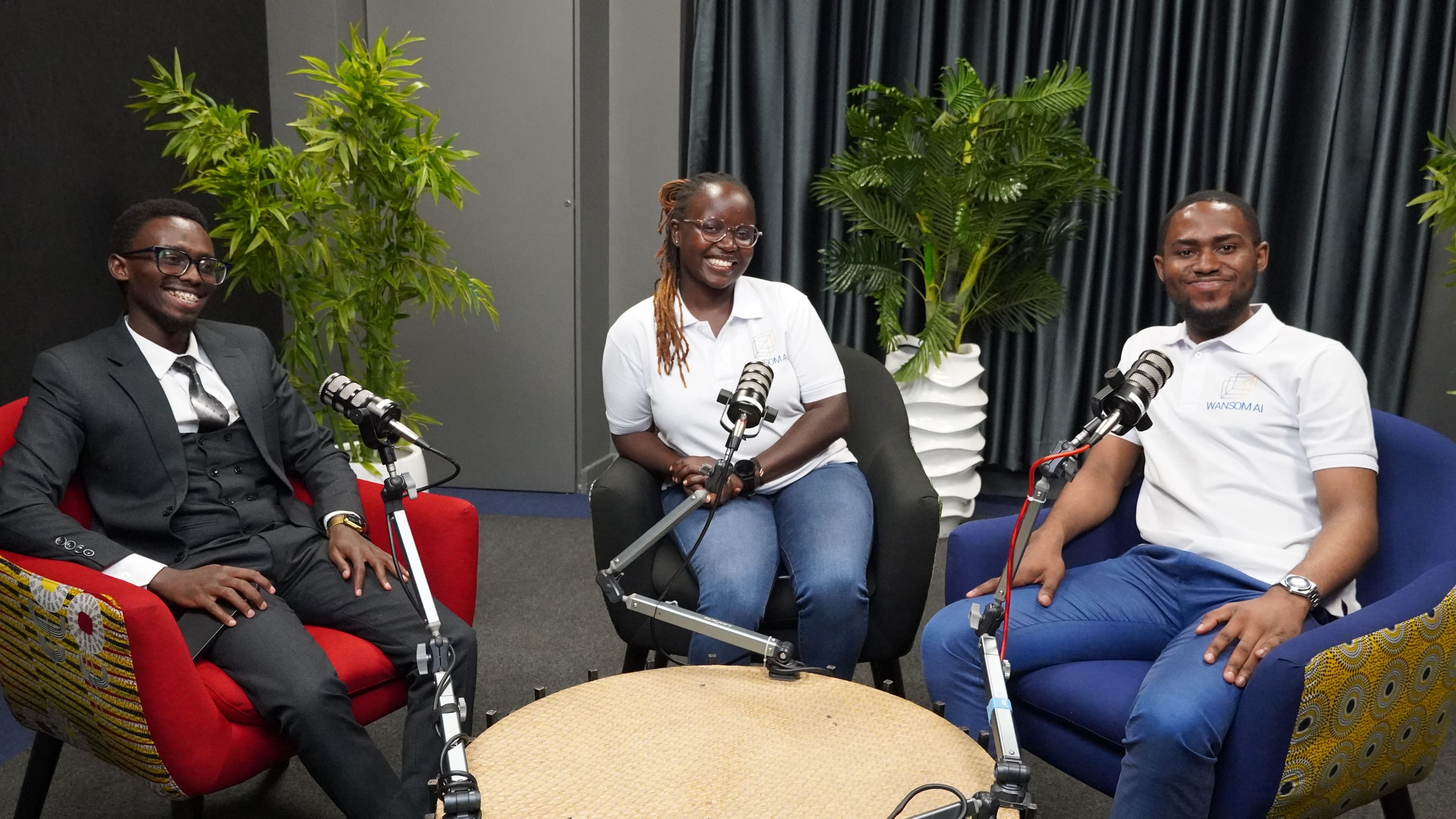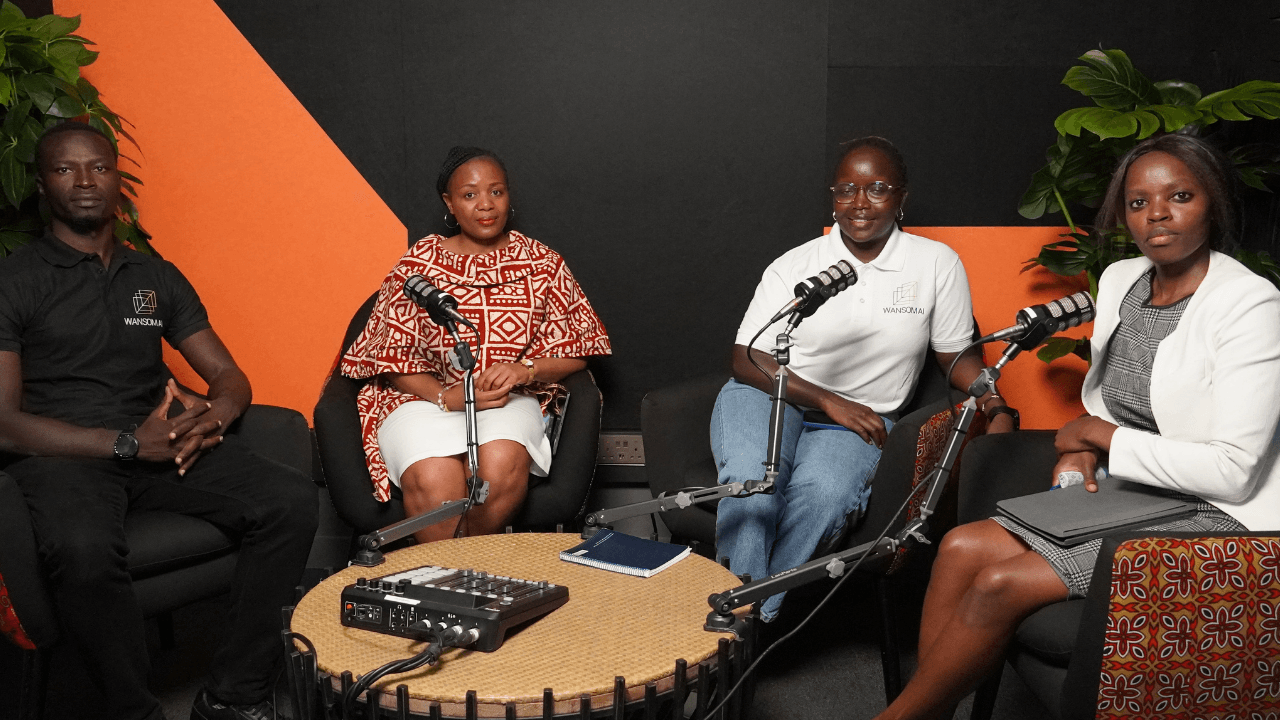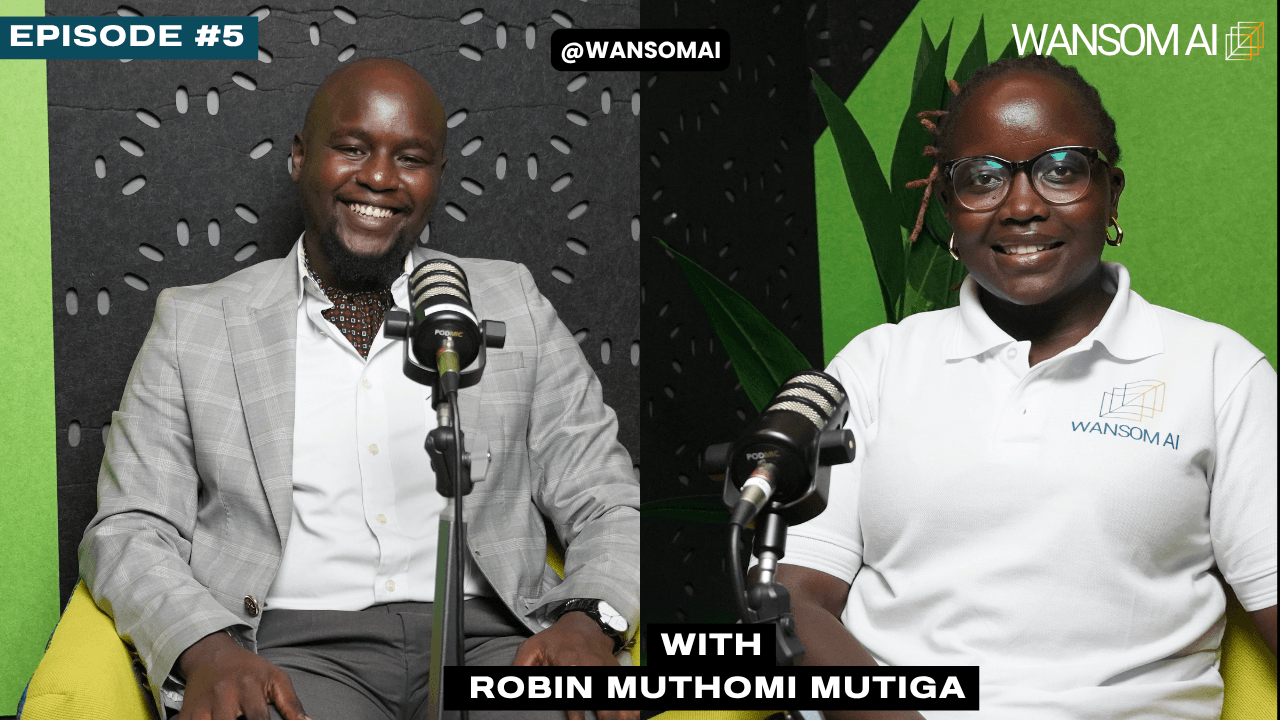
In this highly insightful episode of Legal Insights with Mokua, host Mokua sits down with Renee Tikolo, an Advocate of the High Court of Kenya and a prominent legal researcher working at the dynamic intersection of technology law, data protection, and public policy. Renee shares her career transition from the traditional corporate-commercial track during her Kenya School of Law pupilage to carving out a unique space within legal tech startup ecosystems and international policy frameworks.
The heart of the discussion focuses on why standard legislative efforts frequently struggle to accurately reflect real-world digital realities. Renee highlights a foundational mismatch in global tech governance: technology accelerates exponentially while legal structures move through sluggish parliamentary channels. Furthermore, she critiques the regional tendency to "copy and transplant" heavy frameworks from the West—such as directly lifting portions of the European Union's AI Act into the local 2026 Kenyan AI Bill—without tailoring the compliance burden to the infrastructure, capital limits, and needs of grassroots African startups.
Crucially, the episode unpacks the evolving risks of artificial intelligence, image rights, and the erosion of digital privacy. Renee calls out the systemic threat of data colonialism, where global south data is extracted to train international LLMs without local financial return or explicit consumer consent. She reviews real-world enforcement milestones from the Office of the Data Protection Commissioner (ODPC)—including precedent-setting penalties for unauthorized background photography—and addresses the absolute failure of modern "informed consent" within lengthy, jargon-heavy online terms and conditions. The episode concludes with an inspiring call to action for African legal researchers, policy advocates, and engineers to pro-actively "bulldoze their way" into global tech roundtables, leveraging platforms like LinkedIn to project consistent thought leadership and build collaborative ecosystems for the next generation.
Key Episode Takeaways & Timeline
[01:45] — Discovering the Data Niche During Pupilage: Renee Tikolo traces her entry into tech law, pivoting away from general corporate tasks to focus deeply on data protection, intellectual property, and AI governance.
[04:04] — Breaking Out of the Traditional Legal Box: A look at the societal and structural pressures Kenyan lawyers face to conform to traditional litigious pathways, and the leap of faith required to pursue a research-driven career.
[05:48] — You're Too Broke to Not Be Visible: Renee sharing a foundational career rule, emphasizing how young practitioners can leverage consistent digital publishing on LinkedIn to transform technical expertise into global authority.
[08:47] — The Exponential Tech vs. Sluggish Law Paradox: A breakdown of why modern regulatory frameworks struggle to stay relevant, tracing the timeline of AI’s market acceleration compared to the multi-year drafting cycles of national bills.
[10:05] — The Danger of Transplanting Western Legislation: A sharp critique of the local 2026 AI Bill, explaining why blind duplication of the EU AI Act threatens local innovation by placing enterprise-level reporting burdens on bootstrapping startups.
[13:00] — The State of Privacy Enforcement in East Africa: An assessment of the Office of the Data Protection Commissioner (ODPC) in Kenya, validating their active approach to consumer complaint processing and enterprise compliance tracking.
[16:28] — AI Therapy and the Database Trail: A critical warning regarding consumer habits of treating generative chat interfaces as digital therapists, charting how personal data flows into international storage repositories.
[18:23] — The Myth of Informed Consent: An analytical look at the operational failure of 40-page terms and conditions documents, explaining how dense legalese and forced opt-in walls distort the legal definition of explicit consent.
[22:07] — Analyzing the Kenyan National AI Strategy: Trailing the Ministry of ICT’s strategic blueprint, detailing the critical policy balance required to protect individual human rights without stifling active open-source developer spaces.
[27:36] — Professional Liability and AI Hallucinations: A breakdown of critical liabilities for practicing attorneys, tracking the High Court’s current boundary markers and restrictions against submitting unverified, AI-drafted pleadings.
[30:38] — Confronting Data Colonialism: A look at global image marketplaces and historical media scraping loops, highlighting how the extraction of African visual identities creates profits for international platforms without local equity.
[34:55] — The Background Photography Precedent: Reviewing a landmark ODPC ruling that penalized an enterprise for featuring a citizen in background promotional photography without explicit consent, altering public space marketing guidelines.
[41:01] — Bulldozing a Way Into Global Policy Dialogues: Renee’s closing roadmap for African researchers, policy advocates, and developers to actively insert their voices into international AI governance architectures and build mentorship pipelines for incoming legal talent.