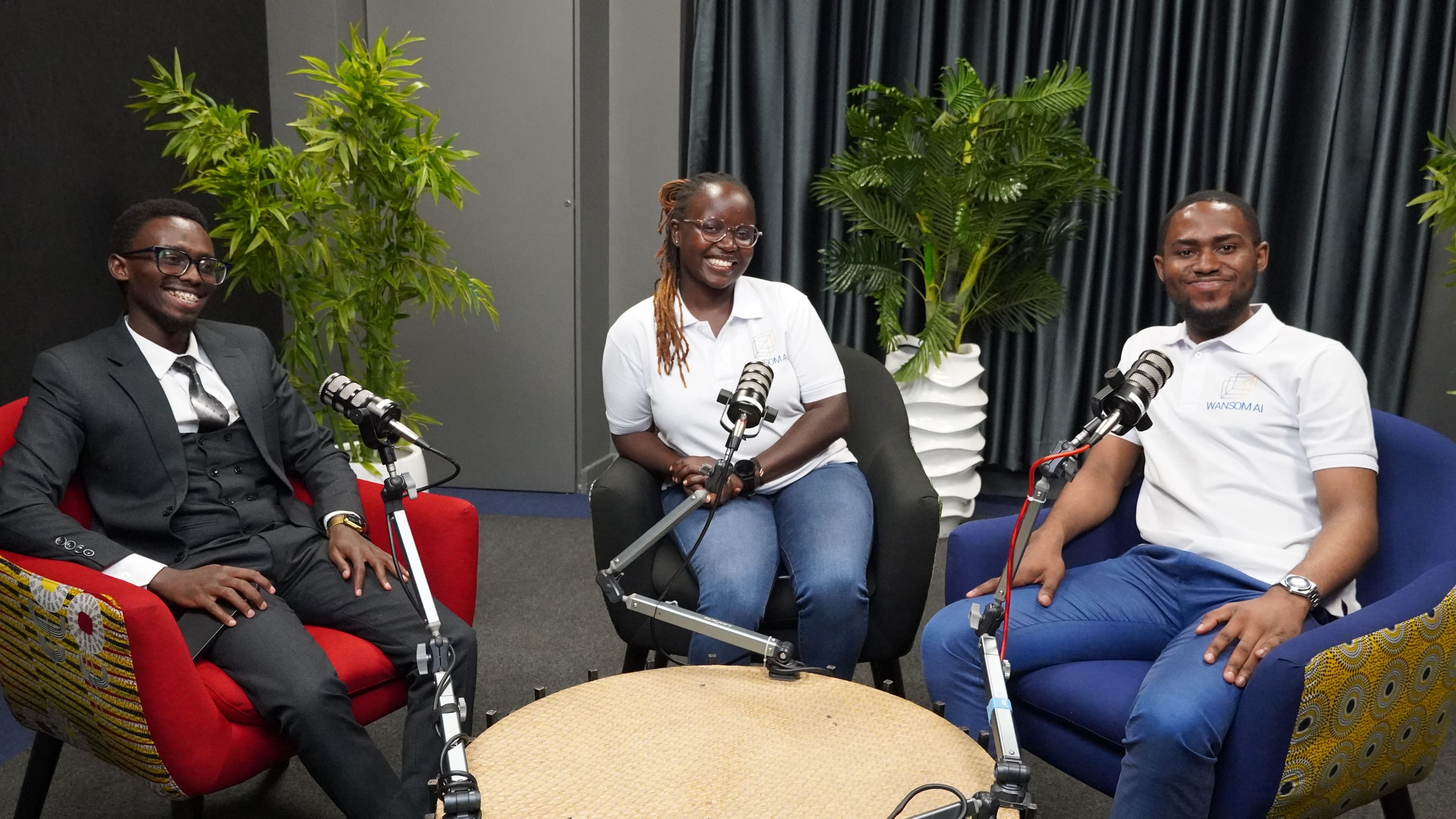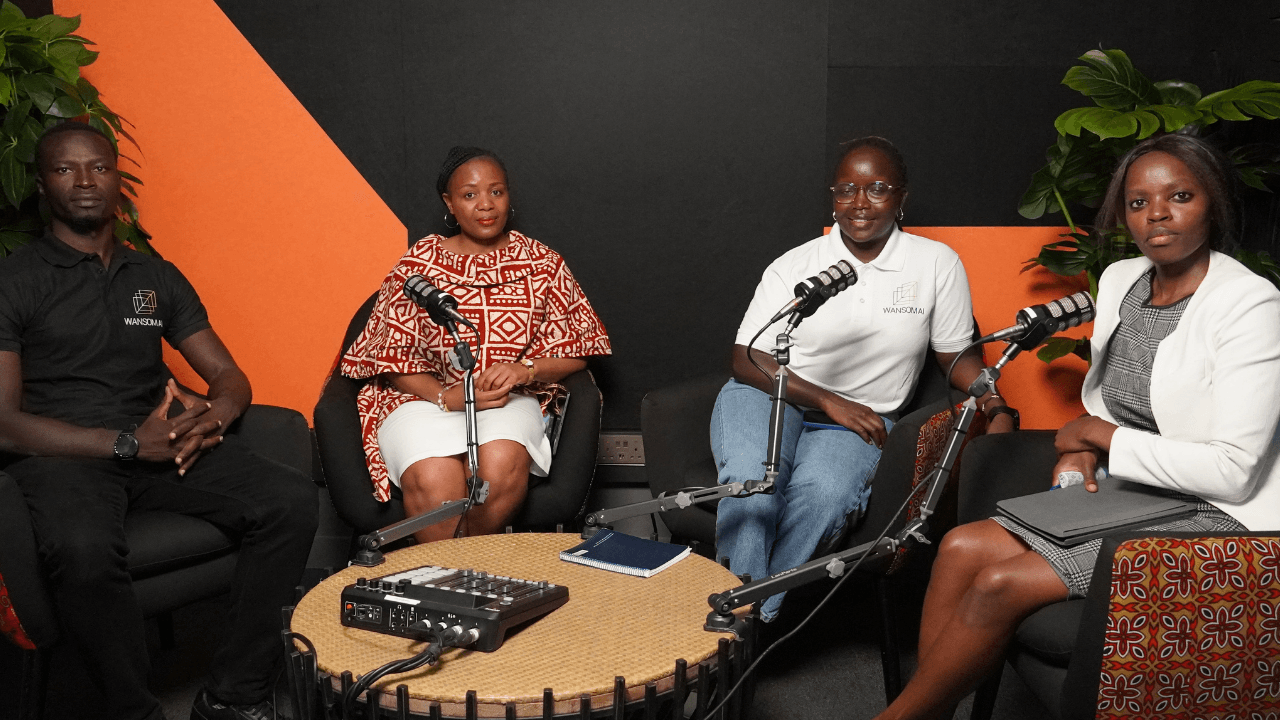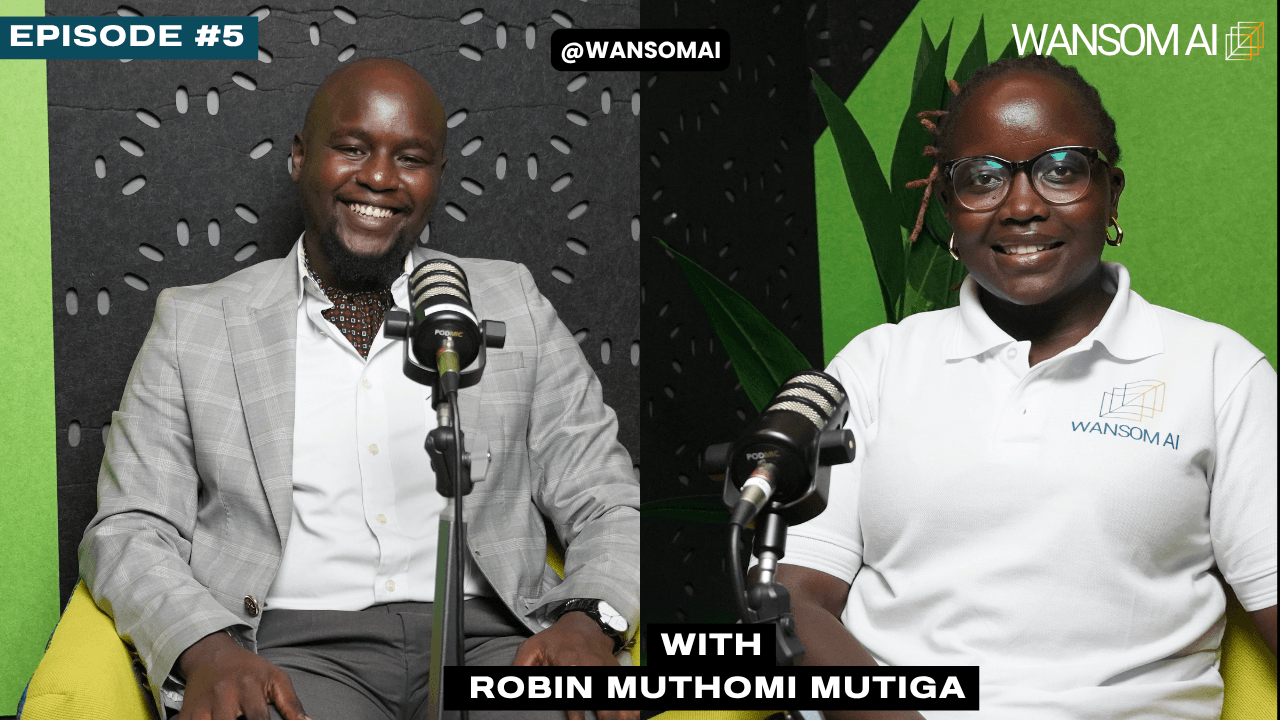
In this highly tactical episode of My Perfect Practice, host Ruth sits down with Robin Momi Mutiga, an Advocate of the High Court of Kenya, a pioneering legal technologist, and the founder of the Lawyers on the Cutting Edge pan-African community. Robin outlines his unique path in mapping out custom artificial intelligence infrastructures and explains how he is physically constructing Momi Mutiga & Company Advocates to operate as a completely technical, AI-first law firm from day one.
The dialogue dives deep into the metrics of the technology adoption curve, explaining that the legal sector has passed the early testing phases and entered an inflection point of generalized implementation. Robin addresses the critical anxieties around law firm management, highlighting how automated AI agents can assume repetitive administrative tasks—such as tracking 90-day conveyancing completion timelines, processing onboarding intake files, executing conflict checks, and monitoring legacy billing sheets. Crucially, the episode establishes technical boundaries, emphasizing that the human mind must remain firmly in the loop to execute final professional judgments and maintain structural accountability.
Furthermore, the session addresses the systemic challenge of legal AI hallucinations. Robin breaks down his personal research framework, advising legal teams to shift their habits away from plain text generation models that suffer from a distinct lack of local data sets and move toward specialized Retrieval-Augmented Generation (RAG) frameworks. The discussion circles back to key institutional milestones, charting Robin's experience addressing the full Kenyan judiciary at the Mombasa judges' colloquium and tracking how local courts are moving to deploy strict guidelines to identify deepfakes and AI-altered evidence. The interview wraps up with a bold prediction detailing the immediate rise of the "Internal AI Specialist" within established partnerships, calling on incoming legal talent across the Silicon Savannah to step up as the primary architects of future practice models.
Key Episode Takeaways & Timeline
[01:32] — Defining the Role of a Legal Technologist: Robin Momi outlines his hybrid practice, bridging the gap between computational automation, data privacy laws, and professional legal obligations.
[02:57] — Inside a Legal Automation Consultation: A look at a technologist’s day-to-day workflow, auditing mid-sized firms to convert administrative bottlenecks into smooth automated loops.
[06:23] — Trailing the Generalized Adoption Curve: Robin maps the rapid evolution of generative models over the past three years, tracking the shift from simple poetic prose to complex legal operations.
[07:46] — Systemizing the Law Firm Bottom Line: A practical look at deploying autonomous AI agents to audit sent files, track outstanding invoice cycles, and prompt client collections based on aging tiers.
[09:10] — Agility vs. Regulatory Sclerosis: Why small, nimble law firms hold a distinct implementation advantage over large, multi-tiered partnerships when it comes to adopting legal tech infrastructure.
[11:01] — Setting the Governance Guardrails: Robin explains his hesitation to fully automate court file submissions, highlighting why the actual act of logging files carries heavy professional liabilities that require human judgment.
[13:30] — Tracking Global Hallucination Milestones: An analytical look at how general chat interfaces routinely generate fictional case precedents, and the active steps being taken to document these occurrences globally.
[15:58] — Retrieve, Don’t Remember (The Ultimate Research Workflow): A masterclass on legal research, detailing why lawyers must reject general models and build custom pipelines focused on local statutory retrieval rather than data generation.
[18:56] — The Mechanics of Retrieval-Augmented Generation (RAG): Explaining the engineering architecture of RAG tools, proving how loading verified local data frameworks eliminates information distortion.
[23:34] — Constructing an AI-Native Law Firm: Robin shares his vision for building a firm that leverages transcription APIs to convert online court hearings into instant client drafts, calendar deadlines, and automated court dockets within seven minutes.
[34:58] — Confronting the Highest Global Usage Metric: Reviewing a landmark data point that ranked Kenya as the highest user of general AI interfaces globally, and its long-term impact on regional jurisprudence.
[37:33] — Evaluating Hand-Written Replications: A stark warning regarding advanced image and text models that can replicate handwritten documents from a simple photograph, threatening the absolute integrity of physical evidence.
[40:02] — Bridging the Generational Tech Divide: How to orchestrate collaboration between the deep, experiential wisdom of senior practitioners and the fluid technical agility of junior advocates through optimized prompting.
[43:51] — 3 Pathways to the Law Firm of the Future: Robin’s roadmap for local tech development: embracing localized open-source software, building on top of localized jurisdictional data registries, and hiring dedicated internal AI specialists.