
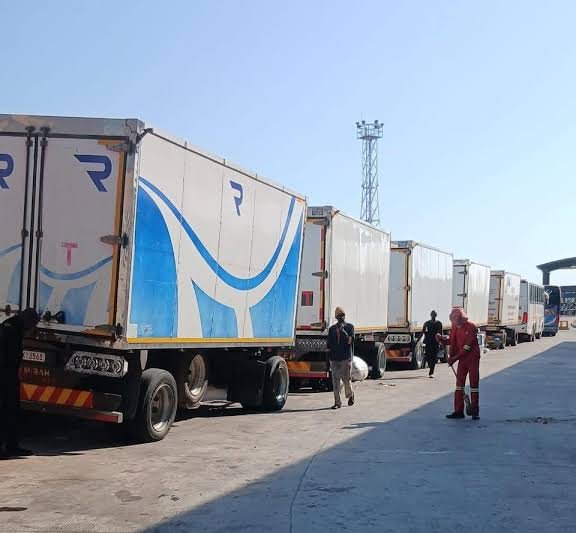
Zimbabwe Revenue Authority Enforces Strict Licensing on Restricted Imports and Exports
Summary
- ZIMRA enforces strict import and export controls in Zimbabwe, categorizing goods as either restricted or absolutely prohibited.
- Restricted goods can be traded only with specific permits or licenses issued by various government authorities.
- The Ministry of Agriculture, National Parks & Wild Life Management, Environmental Management Agency, Registrar of Firearms, and Medicines Control Authority of Zimbabwe are among the permit-issuing bodies.
- A separate license from the Ministry of Industry and Commerce is required for importing specific items like radioactive materials, fuels, certain foodstuffs, textiles, and plastic products.
- Adherence to these Zimbabwe customs regulations is critical to avoid penalties and ensure smooth trade operations.
Zimbabwe's Stance on Cross-Border Trade
For lawyers and compliance officers advising clients, ensuring strict adherence to ZIMRA's updated licensing requirements is paramount.
The Zimbabwe Revenue Authority (ZIMRA) plays a pivotal role in regulating the flow of goods across the nation's borders, specifically enforcing controls on both imports and exports. This regulatory framework distinguishes between goods that are restricted and those that are absolutely prohibited. While certain items may be imported or exported under specific conditions, typically involving the acquisition of a relevant permit or license, other goods are entirely forbidden from entering or leaving the country.
These stringent controls are implemented in the broader public interest, serving multiple objectives. Primarily, they aim to safeguard consumers from potentially harmful or substandard products. Additionally, the regulations are designed to protect the environment from hazardous substances or unsustainable trade practices. ZIMRA is the designated authority responsible for overseeing and implementing these import and export restrictions and prohibitions, ensuring compliance with national policies.
Navigating Permit Requirements for Restricted Goods
For goods classified as restricted, obtaining the correct permit or license is a mandatory prerequisite for legal importation or exportation. The specific authority responsible for issuing these permits varies depending on the nature of the product. For instance, the Ministry of Agriculture issues permits for agricultural and horticultural produce, as well as for plants and plant products, while the Department of Veterinary Service handles related veterinary concerns.
Other specialized agencies are tasked with overseeing distinct categories. The National Parks & Wild Life Management is the issuing authority for permits related to wild animals and trophies. Similarly, the National Museums and Monuments controls relics and national monuments. Hazardous substances fall under the purview of the Environmental Management Agency, firearms require authorization from the Registrar of Firearms, and medicines are regulated by the Medicines Control Authority of Zimbabwe, which issues the necessary permits.
Specific Licensing for Industrial and Commercial Products
Beyond these specialized categories, a range of industrial and commercial products requires a specific license from the Ministry of Industry and Commerce for importation. This list includes sensitive materials such as radioactive and associated materials, specifically those falling under headings 28:44 and 28:45, and nuclear reactors and their components, including non-radiated fuel elements. Essential fuels like diesel, petrol, jet fuel, paraffin, and aviation gasoline, identified by code 2710, also necessitate this particular license.
Furthermore, several consumer goods and manufactured products are subject to this licensing requirement. These include liquid and powdered milk intended for retail, potatoes, and onions. Certain textile and apparel items, such as second-hand clothing and shoes, and blankets and related products, also require a Ministry of Industry and Commerce license. The same applies to retail soap and soap preparations, plastic bags made of polymers, and various rubber products like tubes, pipes, conveyor belts, and rubber hoses.
Compliance and Absolute Prohibitions
While many goods are restricted and require permits, certain items are absolutely prohibited from being imported or exported from Zimbabwe. Although the specific examples of these absolutely prohibited goods are not detailed, their existence underscores the strict nature of the country's trade regulations. This dual system of restrictions and outright prohibitions necessitates meticulous attention to detail for any entity involved in cross-border trade with Zimbabwe.
For lawyers and compliance officers advising clients, ensuring strict adherence to ZIMRA's updated licensing requirements is paramount. It is crucial to verify the specific authority responsible for issuing permits for each product category to prevent severe customs penalties, operational delays, and potential legal repercussions. Understanding the nuances of Zimbabwe import export controls and the ZIMRA restricted goods list is essential for seamless and lawful trade operations.
Practical Implications
Lawyers and compliance officers advising clients on cross-border trade with Zimbabwe must ensure strict adherence to ZIMRA's updated licensing requirements for restricted and prohibited goods, verifying the specific authority responsible for issuing permits for each product category to prevent customs penalties and operational delays.
Source
How does this affect you?
Get an AI analysis of this article grounded in your jurisdictions, practice areas, and any policy documents you've uploaded to Wansom.
Finish Reading the Full Story and the Expert Analysis.
Get the latest legal & regulatory intelligence in Zimbabwe
Wansom is AI and can make mistakes.