
New report
Briefly Africa Trade Law Report | September 2026
Includes 3 Zambia developments · 6 markets
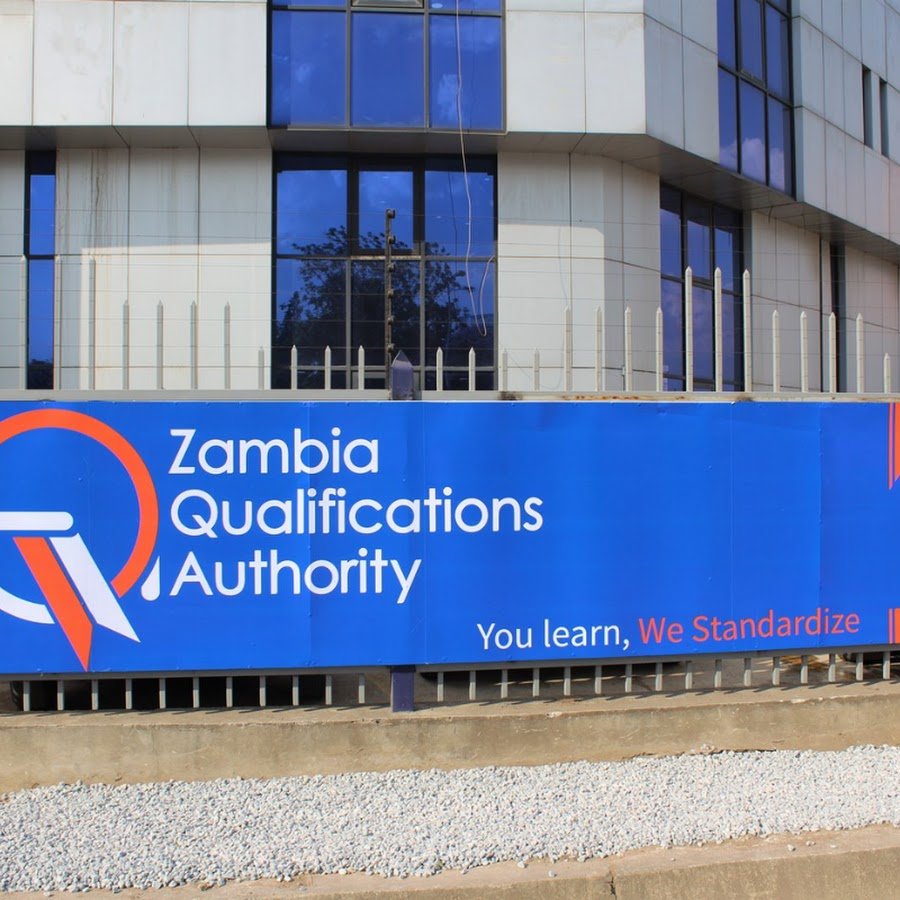
Zambia Qualifications Authority Sets September 2026 Deadline for Feedback on National Microcredential Framework
The Zambia Qualifications Authority (ZAQA) formally released the draft National Policy Framework for Micro-credentials on August 12, 2026, opening a statutory public review period for industry stakeholders.
The regulatory blueprint establishes the first formal mechanism to standardize, assess, and recognize short-duration, competency-based learning across Zambia. Operating under the Zambia Qualifications Authority Act No. 8 of 2024, the Authority aims to anchor non-traditional certifications, corporate training modules, and digital skills badges directly into the Zambia National Qualifications Framework (ZNQF).
Regulatory Timetable and Consultation Deadlines
The Authority set a strict timeline for higher education institutions, corporate training academies, and human resource federations to submit formal inputs:
August 12, 2026 (Gazetting and Release): ZAQA published the initial policy text alongside formal stakeholder feedback forms across its official portals.
September 25, 2026 (Statutory Submission Cutoff): The deadline for commercial enterprises, professional associations, and awarding bodies to file technical memoranda on proposed credit-weighting rules.
Late 2026 to Early 2027 (Codification Window): Technical review committees will finalize the framework before the Ministry of Education approves it for nationwide enforcement.
Integration into the National Qualifications Framework
The policy addresses the rapid proliferation of unverified digital certificates and short-course diplomas in the private sector.
Under the proposed framework, micro-credentials must target specific, assessable learning outcomes aligned with approved National Occupational Standards. Approved credentials will carry recognized credit values under the national Credit Accumulation and Transfer System (CATS), enabling learners to stack individual course credits into full diplomas or degrees. The regulation mandates third-party quality audits for all private and institutional providers issuing digital certificates.
Strategic Compliance Implications for Enterprise and EdTech Operators
The standardization drive introduces compliance liabilities for corporate training providers, EdTech ventures, and multinational employers.
Once enacted, unaccredited corporate badges or informal short courses will no longer qualify for state-subsidized skills development funds or institutional recognition. Conversely, early-compliant training providers gain a strategic advantage, securing listing on ZAQA's centralized digital register to issue state-recognized certifications.
Human resource directors, enterprise training academies, and vocational institutions operating in Zambia must download the draft policy from ZAQA’s portal, audit existing internal curricula against proposed quality benchmarks, and submit formal comments before the September 25 cutoff.
Source
How does this affect you?
Get an AI analysis of this article grounded in your jurisdictions, practice areas, and any policy documents you've uploaded to Wansom.
Finish Reading the Full Story and the Expert Analysis.
Get the latest legal & regulatory intelligence in Zambia
Wansom is AI and can make mistakes.