
UP Police SHO Faces Supreme Court Action Over Ghaziabad Child Rape-Murder Case
Summary
- The Supreme Court took note of the SIT's recommendation for action against the Station House Officer (SHO) involved in the Ghaziabad child rape-murder case.
- The SHO has already been transferred to police lines following the SIT's findings, and corrective steps have been taken to improve the police investigation.
- The Supreme Court had earlier criticized the police investigation and private hospitals for allegedly refusing treatment to the child.
- The case highlights the need for robust mechanisms to ensure justice is served in high-profile cases involving child victims.
What Happened
It is a serious case of lapse. We need to go through the SIT report.
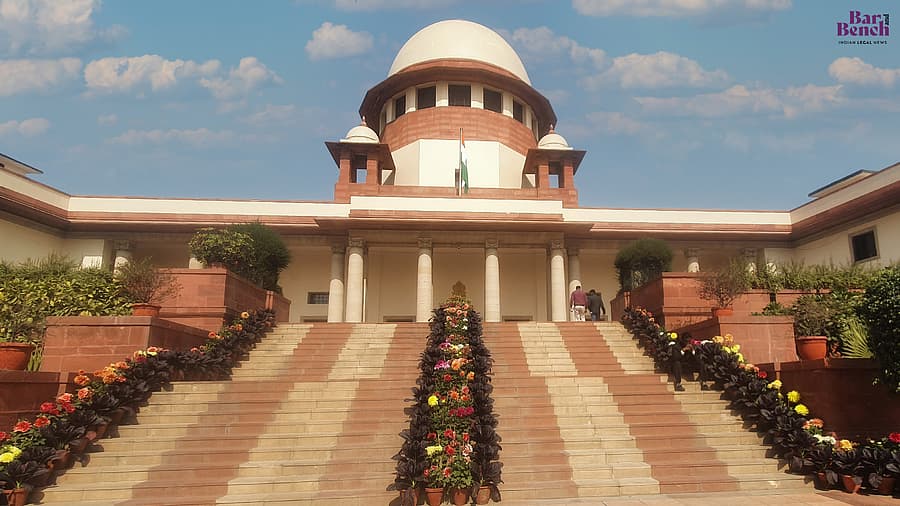
The Supreme Court took note of a recommendation from the Special Investigation Team (SIT) investigating the rape and murder of a four-year-old girl in Ghaziabad. The SIT had found that the Station House Officer (SHO) involved in the case was responsible for protecting the accused, leading to calls for action against him. The Supreme Court Bench, comprising Chief Justice Surya Kant and Justices Joymalya Bagchi and V Mohana, was informed that the SHO has already been transferred to police lines following the SIT's findings.
The Supreme Court had earlier constituted an all-women SIT to probe the case after criticizing the police investigation and private hospitals for allegedly refusing treatment to the child. The SIT's intervention led to corrective steps being taken, including extending the CCTV footage preservation period from 15 days to over six months.
Legal Context
The Supreme Court's decision to take note of the SIT's recommendation highlights the importance of police accountability in high-profile cases involving child victims. The court's earlier criticism of the police investigation and private hospitals for their alleged role in the case underscores the need for robust mechanisms to ensure justice is served. The SIT report, which has been perused by the Supreme Court Bench, provides a detailed account of the lapses in the police investigation and the corrective measures taken since its intervention.
The case also raises questions about the effectiveness of child protection laws in India. Despite the Supreme Court's efforts to ensure justice is served, cases like these continue to highlight the need for stronger laws and more effective implementation mechanisms.
Why It Matters
The Supreme Court's decision to take action against the Station House Officer (SHO) involved in the case sets a precedent for police accountability in high-profile cases involving child victims. The case highlights the importance of robust mechanisms to ensure justice is served, particularly in cases where the accused are protected by those in positions of power. The SIT report's findings and recommendations provide a roadmap for improving police investigations and ensuring that perpetrators are held accountable.
Lawyers should take note of the potential implications of this ruling on police investigations and accountability, particularly in high-profile cases involving child victims.
Practical Implications
Lawyers should watch for the potential implications of this ruling on police investigations and accountability, particularly in high-profile cases involving child victims.
Source
Source: Original reporting via [Source]
How does this affect your business?
Get an AI analysis of this article grounded in your jurisdictions, practice areas, and any policy documents you've uploaded to Wansom.