
UN Action Against Illegal Coltan Mining in DRC
Summary
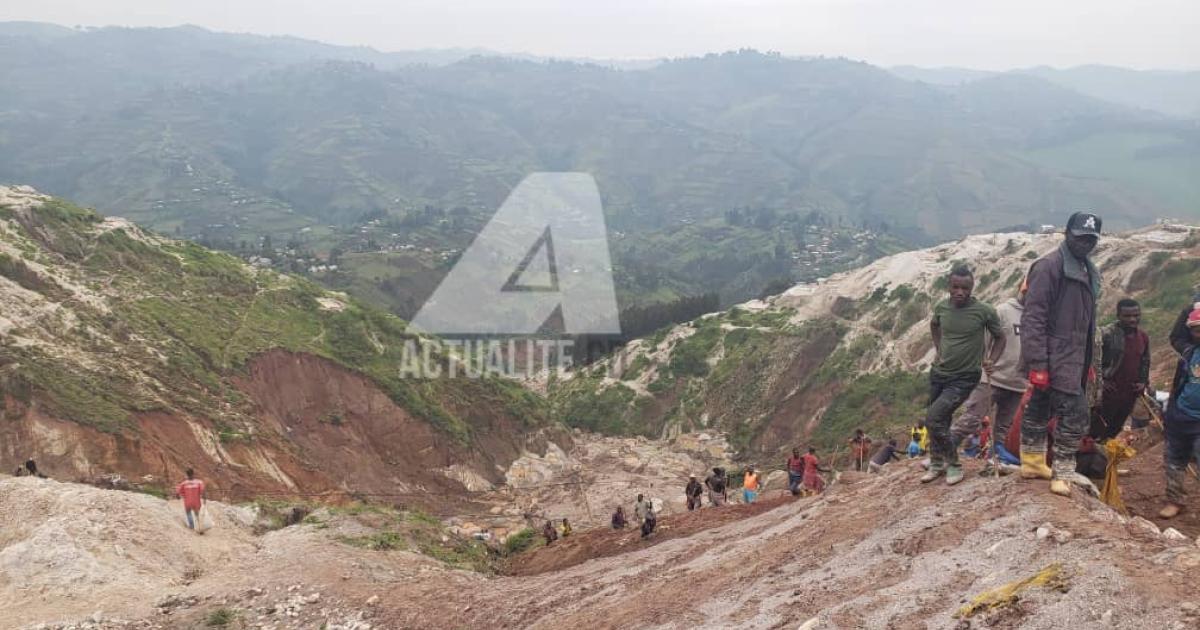
- The Rubaya coltan mine in the DRC is accused of financing the M23 rebel group.
- The mine generates an estimated $10 million per month, fueling violent conflicts in the region.
- France has repeatedly denounced the role of illegal natural resource exploitation in fueling these conflicts.
- The UN has been called upon to take greater action against illicit natural resource exploitation.
What Happened
The French government has repeatedly denounced the role of illegal natural resource exploitation in fueling these conflicts.
The Democratic Republic of Congo's Rubaya coltan mine has been accused of financing the M23 rebel group, which has been involved in violent conflicts in the region. The mine is believed to be one of the main sources of funding for the M23, with some estimates suggesting that it generates up to $10 million per month. This illicit activity has raised concerns among international organizations and governments, including France, which has been actively engaged in efforts to resolve armed conflicts in the Great Lakes region.
The French government has repeatedly denounced the role of illegal natural resource exploitation in fueling these conflicts. In a recent statement, they emphasized the need for increased action against such activities by the United Nations. The UN's response is seen as crucial in addressing the root causes of the conflict and preventing further destabilization of the region.
Legal Context
The exploitation of natural resources, including coltan, in the Democratic Republic of Congo is governed by a complex web of laws and regulations. The country's mining code requires that all mining activities be conducted with proper authorization and oversight. However, in practice, many mines operate outside of these regulations, taking advantage of weak enforcement mechanisms and corruption. This has created an environment where illicit activities can thrive, often with devastating consequences for local communities and the region as a whole.
The UN's role in addressing this issue is also guided by international law. The organization has a mandate to promote peace and security, which includes preventing the financing of armed groups through illicit means. In recent years, the UN has taken steps to increase its focus on natural resource exploitation and its links to conflict, including the establishment of a dedicated task force to address this issue.
Why It Matters
The situation in Rubaya highlights the need for greater accountability and oversight in the Democratic Republic of Congo's mining sector. The involvement of international organizations and governments is essential in addressing the root causes of conflict and preventing further destabilization of the region.
For lawyers and compliance officers, this case serves as a reminder of the potential exposure to sanctions or reputational damage if their clients are involved in or benefit from illegal coltan mining activities in the Democratic Republic of Congo. As the UN continues to emphasize the need for increased action against illicit natural resource exploitation, companies operating in the region must be vigilant in ensuring that they comply with all relevant laws and regulations.
Practical Implications
Lawyers and compliance officers should watch for potential exposure to sanctions or reputational damage if their clients are involved in or benefit from illegal coltan mining activities in the Democratic Republic of Congo.
Source
Source: Original reporting via Le Monde
How does this affect your business?
Get an AI analysis of this article grounded in your jurisdictions, practice areas, and any policy documents you've uploaded to Wansom.