
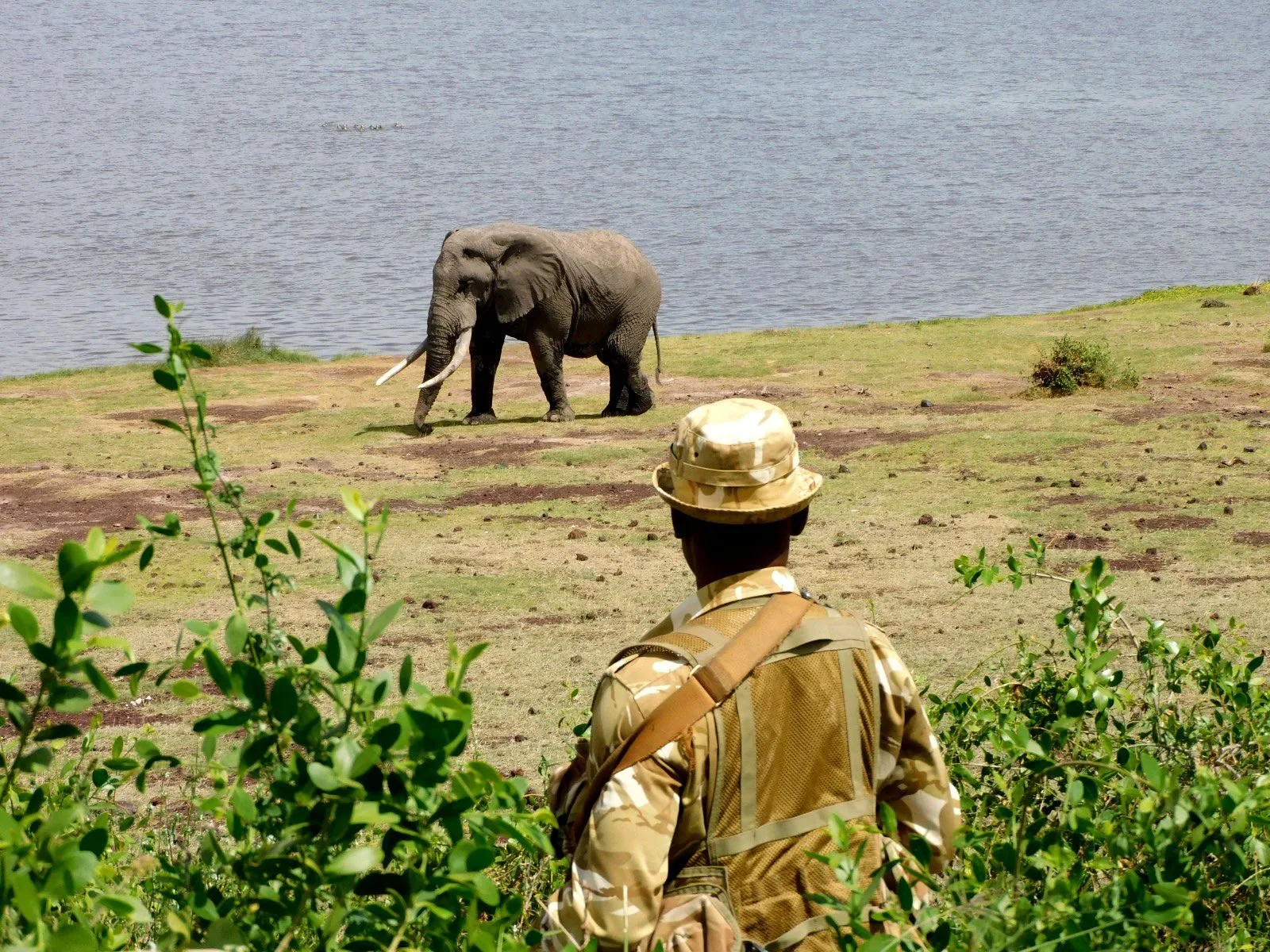
UGM Demands Probe into Cyanide Poisoning of Elephants in Amboseli
Summary
- Fifteen elephants died between June 24 and July 24 across Amboseli National Park, Kimana Sanctuary, and Kuku Ranch.
- Preliminary laboratory findings suggest a potential toxic substance was detected in samples collected from affected elephants.
- UGM demands an independent probe into the alleged cyanide poisoning and calls for stricter regulations on hazardous chemicals.
Amboseli Elephant Deaths Spark Calls for Investigation
Kenya's wildlife is not collateral damage, and our people are not expendable. This must be the moment enforcement becomes real, transparent, and equal for all.
The recent deaths of fifteen elephants in Amboseli National Park have raised concerns about the safety of Kenya's wildlife and the need for stricter regulations on hazardous chemicals. The United Green Movement (UGM) has demanded an independent probe into the alleged cyanide poisoning, citing gaps in the country's regulation of toxic substances. Preliminary laboratory findings suggest a potential toxic substance was detected in samples collected from affected elephants, but further analysis is needed to determine the exact substance and its source. The incident highlights the importance of environmental investigations to establish whether contaminated water sources or agricultural chemicals were responsible for the deaths.
Legal Context: Kenya's Wildlife Regulations
Kenya has laws in place to regulate hazardous chemicals, but their enforcement remains a challenge. The Pest Control Products Board (PCPB) is responsible for licensing and regulating pesticides, while the National Environment Management Authority (NEMA) oversees environmental protection. However, the recent incident suggests that these regulations may not be sufficient to prevent wildlife deaths caused by toxic substances. UGM's call for an independent audit of pesticide supply chains and stricter enforcement of environmental regulations has sparked debate about the need for more effective regulation.
Why It Matters: Human Health, Food Security, and the Environment
The cyanide poisoning of elephants in Amboseli is not just a wildlife issue; it also poses risks to human health, food security, and the environment. The continued availability and misuse of hazardous pesticides and toxic chemicals threaten not only wildlife but also human populations. UGM's recommendations for testing nearby water sources, produce, and livestock, as well as a ban on restricted pesticides, are crucial steps towards preventing similar incidents in the future.
Practical Implications
Lawyers and compliance officers should watch for potential updates on the investigation's findings, as well as any new regulations or enforcement actions related to hazardous chemicals and environmental protection in Kenya.
Source
Source: Original reporting via The Star
How does this affect your business?
Get an AI analysis of this article grounded in your jurisdictions, practice areas, and any policy documents you've uploaded to Wansom.
Wansom is AI and can make mistakes.