
Kenya National Conversation Charts Path Beyond Vision 2030
Summary
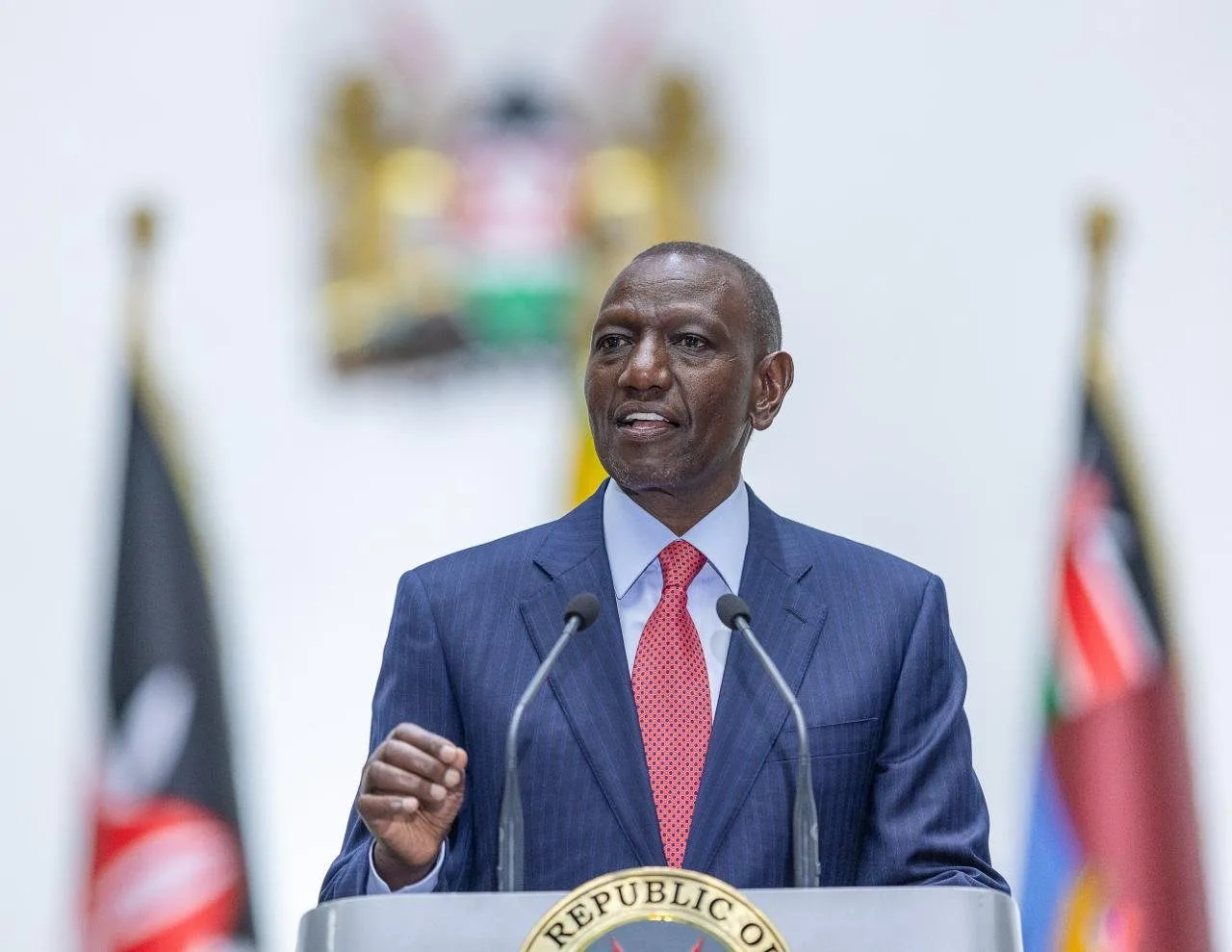
- President William Ruto has announced a nationwide conversation to chart Kenya's path beyond Vision 2030.
- The dialogue aims to create a new national development charter that will serve as a guiding framework for Kenya's next phase of growth and development.
- Kenya's development agenda will be shaped by an inclusive, citizen-led process rather than being designed by government or politicians alone.
- A team led by Professor Hiroyuki Hino and Kisumu Governor Professor Anyang Nyongo has prepared strategic guidelines for Kenya's next development chapter.
A New Era for Kenya's Development
The objective is to create a development framework capable of outlasting electoral cycles by aligning long-term national priorities with the constitutional aspirations of equity, prosperity, accountability, and inclusive growth.
Kenya is on the cusp of a significant shift in its development trajectory, as President William Ruto has announced a nationwide conversation to chart the country's path beyond Vision 2030. This initiative marks a crucial turning point in Kenya's long-term economic and social transformation, one that will require collective effort from citizens, leaders, and stakeholders across various sectors. The dialogue aims to create a new national development charter, which will serve as a guiding framework for Kenya's next phase of growth and development. By engaging the public in this process, Ruto seeks to ensure that the country's development agenda is aligned with the constitutional aspirations of equity, prosperity, accountability, and inclusive growth.
The Legacy of Vision 2030
Vision 2030, unveiled by former President Mwai Kibaki in 2008, was a comprehensive blueprint for Kenya's transformation into a globally competitive middle-income country. The strategy built on three pillars: economic, social, and political development. It aimed to achieve annual economic growth of 10% through investments in key sectors such as agriculture, manufacturing, tourism, financial services, and business process outsourcing. Additionally, Vision 2030 sought to expand access to education, healthcare, housing, and strengthen democratic governance. While the strategy has yielded significant results, including infrastructure development and institutional reforms, its lifespan is coming to an end, necessitating a fresh approach to guide Kenya's future growth.
A Citizen-Driven Process
Ruto has emphasized that the new national development charter must emerge from an inclusive, citizen-led process rather than being designed by government or politicians alone. A team led by Professor Hiroyuki Hino and Kisumu Governor Professor Anyang Nyongo has prepared strategic guidelines for Kenya's next development chapter, which will serve as a foundation for the nationwide consultations. However, the final vision will ultimately be shaped by Kenyans themselves through an open, inclusive, and honest national conversation. This approach ensures that the country's development agenda remains aligned with the aspirations of its citizens, rather than being driven by short-term political priorities.
Practical Implications
Lawyers should watch for the potential implications of a new national development charter on business operations, investment strategies, and compliance with regulatory requirements in Kenya.
Source
How does this affect your business?
Get an AI analysis of this article grounded in your jurisdictions, practice areas, and any policy documents you've uploaded to Wansom.
Wansom is AI and can make mistakes.