
Trump Flashes 100% Tariff Threat Over Expanding EU Digital Services Taxes
Abstract
On June 26, 2026, the fragile trade truce between Washington and Brussels fractured following a fiery directive from President Donald Trump targeting European digital taxation policies. With the European Commission contemplating a bloc-wide 3% Digital Services Tax and several Member States solidifying localized levies, the White House asserted that these frameworks are explicitly structured to discriminate against US tech conglomerates. Promising that a 100% retaliatory tariff will override all existing trade treaties, the administration has set the stage for a high-stakes legal and economic collision. This article analyzes the legal mechanics behind the US tariff framework, the European Union's statutory defense mechanisms, and the strategic operational exposure confronting multinational digital enterprises.
Introduction
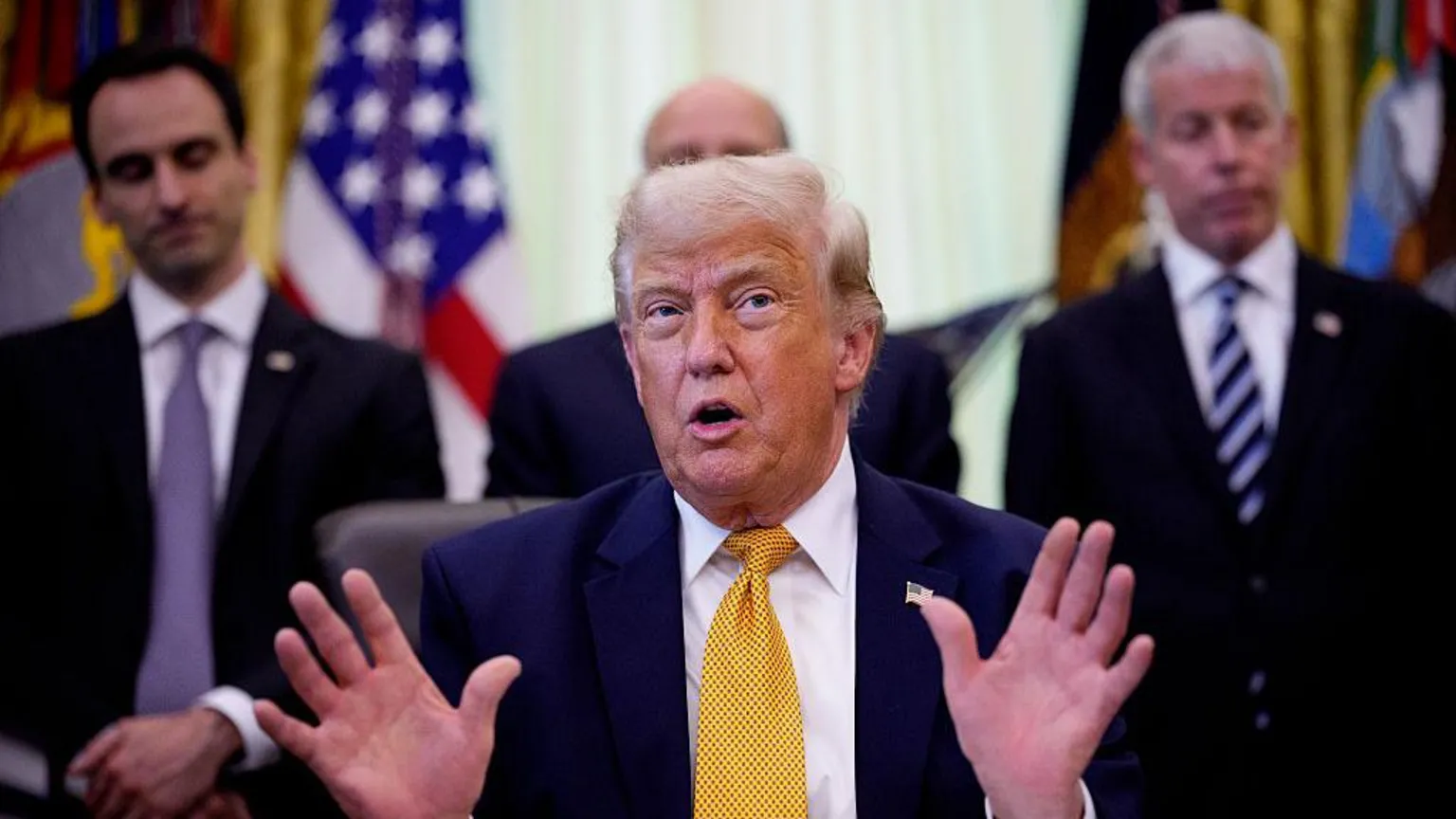
The long-smoldering fiscal cold war over how the world’s largest digital economies are taxed has reignited with unprecedented intensity. On June 26, 2026, US President Donald Trump utilized his social media platform to issue an absolute trade ultimatum: any foreign nation that implements or proceeds with a Digital Services Tax (DST) targeting American technology companies will be hit with an immediate 100% tariff on all goods exported to the United States. The retaliatory warning was precisely timed, landing a day after EU member states approved a hard-fought trade agreement limiting baseline tariffs on European imports to 15%, which is slated for full implementation by July 4, 2026. Because digital service taxes were explicitly omitted from that package, the White House is using the unresolved issue to pressure European regulators. Within hours, the European Commission issued an aggressive counter-notice, warning that the bloc would respond "swiftly and decisively" to defend its sovereign right to regulate commerce, pushing the economic superpower alliance to the edge of an all-out trade war.
Background
The structural origins of the dispute date back nearly a decade, rooted in a fundamental mismatch within legacy international tax treaties. Under traditional conventions established a century ago, a sovereign nation can only levy corporate income taxes on a business if it maintains a physical permanent establishment within that jurisdiction. However, modern digital giants—such as Alphabet, Meta, Apple, and Amazon—generate billions in revenue from digital advertising, marketplace transactions, and user data inside European territories without requiring a physical footprint.
To extract revenue from these transactions, several European nations, led by France and the United Kingdom, bypassed corporate income frameworks altogether by implementing gross revenue taxes. The UK maintains a 2% DST on digital revenues derived from British users, while France levies a 3% charge.
The friction escalated dramatically in June 2026, when the European Commission began evaluating a comprehensive, bloc-wide 3% DST designed to generate $5.8 billion annually by targeting companies with over $750 million in global revenue. While European officials routinely state these measures apply equally to all large companies regardless of origin, US trade analysts note that more than 60% of the entities breaching these high revenue thresholds are American corporations, triggering allegations of systemic discrimination.
Analysis
The current escalation marks a significant strategic pivot in how the United States intends to deploy its executive trade machinery. Following a February 2026 US Supreme Court ruling that struck down the administration's broad use of the International Emergency Economic Powers Act (IEEPA) to institute individualized "reciprocal tariffs," the White House has repositioned its protectionist legal defense under
Section 301 of the Trade Act of 1974. Section 301 empowers the United States Trade Representative (USTR) to investigate and aggressively retaliate against foreign statutory regimes that are deemed arbitrary, unreasonable, or burdensome to US commerce. White House officials verified that the proposed 100% tariff mandates will rely on these outstanding Section 301 investigations. Crucially, Trump’s declaration that these penalties will "supersede trade deals... whether implemented, signed, or not" introduces severe legal risk, effectively threatening to nullify the July 4 tariff-cap treaty before it is fully executed.
The European Union's legal counter-strategy relies on a dual-track mechanism of statutory safeguards and multilateral treaties: 1. The May 2026 Safeguard Provisions: Anticipating potential policy shifts from Washington, the European Parliament embedded strict enforcement mechanisms into its trade framework. This architecture allows the European Commission to automatically suspend agreed-upon tariff concessions if the US unilaterally breaches baseline agreements.
2. The Shift in Corporate Economic Burden: Empirical data from localized European DST implementations shows that tech conglomerates rarely absorb the financial hit of gross revenue levies. When the UK implemented its 2% tax, major platforms simply altered their terms of service, raising advertising rates, marketplace fees, and app store commissions by a parallel 2%—effectively shifting the tax burden onto domestic small businesses and consumers.
Conclusion
The collision between American tariff enforcement and European regulatory autonomy underscores the total paralysis of international tax harmonization. While the OECD has continually pleaded with sovereign governments to halt unilateral levies in favor of its "Pillar One" global reallocation framework, the political reality of 2026 has outpaced diplomacy. If the European Union moves forward with its bloc-wide digital tax, or if individual nations refuse to freeze their existing revenue frameworks, the resulting Section 301 tariffs will disrupt global supply chains far beyond the technology sector, proving that in the digital age, data taxation remains a volatile flashpoint for global commerce.
Citations
- 1.Office of the United States President, Executive Declaration and Public Policy Directive regarding Digital Services Taxation Retaliation (June 26, 2026).
- 2.European Commission, Directorate-General for Trade, Formal Response Statement to US Tariff Proclamations (June 27, 2026).
- 3.Section 301, Trade Act of 1974 (19 U.S.C. § 2411) — Statutory provisions authorizing executive retaliation against discriminatory foreign trade practices.
- 4.European Parliament Resolution, "Statutory Safeguards, Tariff Concession Suspensions, and Transatlantic Trade Risk Mitigations" (Enacted May 2026).
- 5.Organization for Economic Co-operation and Development (OECD), Secretariat Briefing on the Status of Pillar One International Tax Consensus Architecture (June 2026).