
Leon Black Subpoenaed Following Abrupt Walkout Over NDA Inquiry in House Epstein Investigation
Abstract
On June 26, 2026, a voluntary transcribed interview with billionaire Leon Black before the House Committee on Oversight and Accountability collapsed into structural rancor. Investigating the financial networks and concealment mechanisms of convicted sex offender Jeffrey Epstein, the bipartisan committee pressed Black on the parameters, funding, and structural involvement of Epstein in Black's personal NDAs. Black's subsequent walkout prompted Chairman James Comer to immediately issue two congressional subpoenas. This article analyzes the legal tension between private confidentiality agreements and congressional oversight authority, the shifting defense narratives of high-net-worth Epstein associates, and the compliance liabilities of corporate executives facing retrospective institutional scrutiny.
Introduction
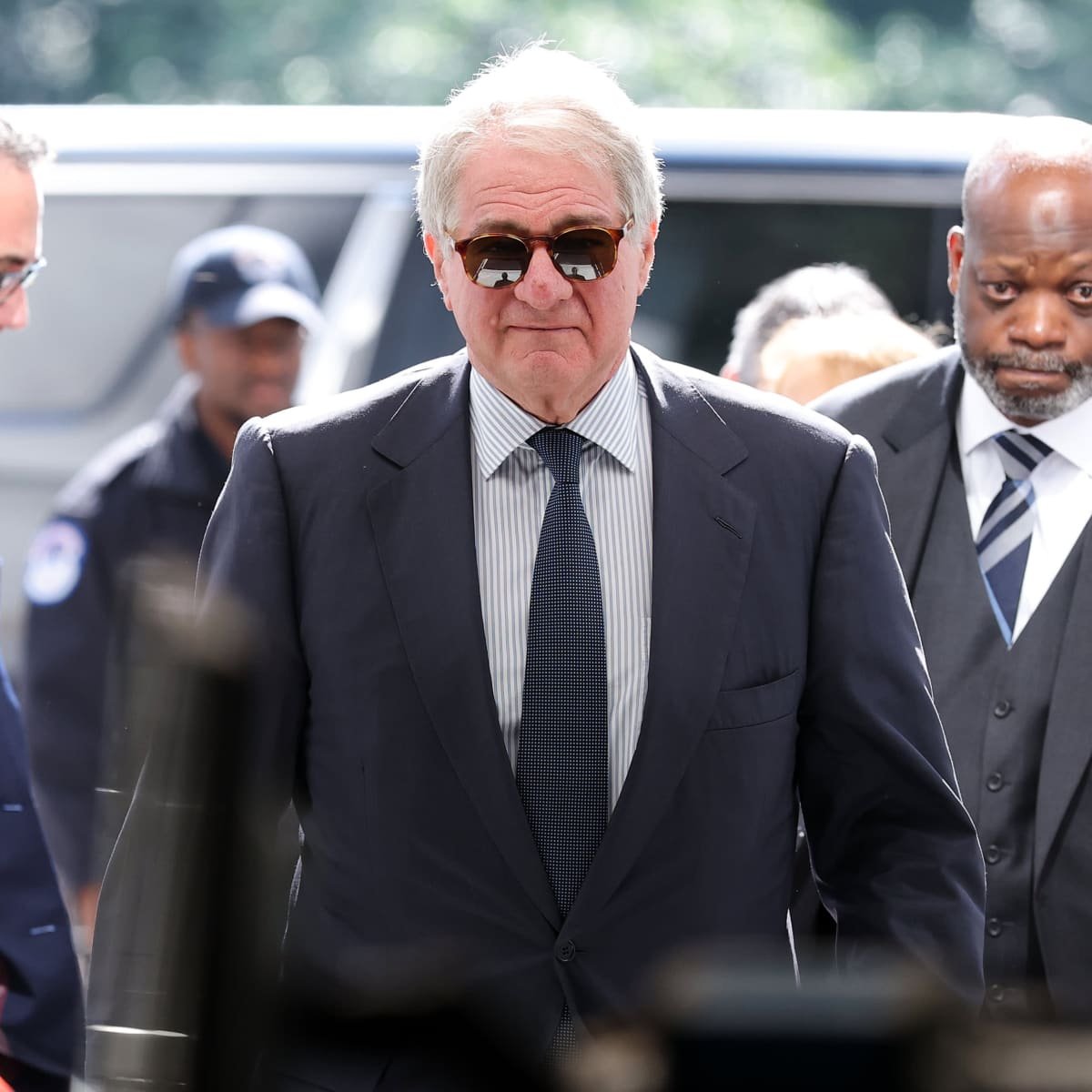
A congressional inquiry into the financial entanglements of Jeffrey Epstein escalated sharply on June 26, 2026, when billionaire Leon Black walked out of a voluntary, closed-door deposition on Capitol Hill. The former CEO of Apollo Global Management had appeared before the House Oversight Committee to provide testimony regarding over $150 million in fees paid to Epstein for tax and estate-planning services between 2012 and 2017. However, the session ended abruptly when lawmakers from both parties began probing Black’s personal nondisclosure agreements. According to Ranking Member Robert Garcia, Black "stormed out" when pressed on whether Epstein functioned as a "fixer" who drafted, structured, or funded silence agreements regarding Black's extramural affairs. Within hours of the walkout, the committee countered by issuing two formal subpoenas, shifting Black’s legal status from a cooperative voluntary witness to a compelled corporate target.
Background
The House Oversight Committee’s scrutiny of Black intensified following the rolling release of more than three million Department of Justice and FBI records under the Epstein Files Transparency Act between late 2025 and early 2026. The unsealed documents alleged a highly interwoven relationship where Epstein not only managed complex tax strategies for Black but also introduced him to various women and counseled him on structuring multi-million dollar payouts to obscure the transactions. Senator Ron Wyden had previously accused Black of using Epstein to hide these arrangements, a charge Black’s legal team repeatedly rejected as false and politically motivated.
Black has maintained that his professional relationship with Epstein was entirely legitimate, centered on solving a massive, opaque estate issue that standard legal firms could not resolve. Though Black paid $62.5 million in 2023 to settle a civil investigation by the U.S. Virgin Islands regarding how his payments partially funded Epstein’s regional operations, the settlement carried no admission of personal wrongdoing.
Analysis
The confrontation highlights a severe structural friction point in modern white-collar defense: the limits of private non-disclosure agreements when confronted by a congressional committee exercising its broad power under House Rule X.
The Scope of Congressional Inquiries: Chairman James Comer explicitly detailed that the committee’s interest lies in whether Epstein was structurally involved in writing the NDAs or routing funds to the recipients. If Epstein utilized his infrastructure to shield Black from reputational risk, those agreements cease to be insulated personal matters and become central evidence of an ongoing enterprise concealment strategy.
Subpoena Powers and Compelled Testimony: By walking out, Black’s legal team, led by Susan Estrich, labeled the proceeding a "planned political stunt," asserting that Epstein had zero involvement in any NDAs, whether they existed or not. However, this defense framework invited aggressive statutory escalation. The two subpoenas issued on June 26 effectively strip Black of his voluntary status, legally compelling him to produce the physical NDAs and return on July 16, 2026, for a videotaped deposition under oath.
Perjury and Contempt Exposure: Transitioning to a sworn, videotaped deposition radically increases Black's legal exposure. Any deliberate evasion or false statements regarding the origin, execution, or funding of those confidentiality pacts opens the door to federal perjury charges or a congressional citation for criminal contempt.
Conclusion
Leon Black’s high-stakes gamble to stonewall congressional questioning on nondisclosure agreements has narrowed his legal options. The immediate issuance of subpoenas indicates that the House Oversight Committee is prepared to test the limits of corporate and executive privacy shields to map the full extent of Epstein's financial and illicit network. When Black returns to the witness chair in July, the protection of private settlement architecture will collide directly with the absolute transparent demands of a federal investigation
Citations
- 1.House Committee on Oversight and Accountability, Press Release and Transcribed Interview Briefing regarding Leon Black’s Testimony (June 26, 2026).
- 2.House Rule X, Clause 4(c)(2), 119th Congress — Institutional investigative authority of the House Oversight Committee.
- 3.Epstein Files Transparency Act (2025) — Statutory framework governing the unsealing of Department of Justice and FBI investigative records.
- 4.House Committee on Oversight and Accountability, Subpoena Duces Tecum and Subpoena Ad Testificandum issued to Leon D. Black (June 26, 2026).
- 5.U.S. Virgin Islands v. Leon Black, Civil Settlement Agreement (2023) — Regarding financial outlays and operational releases.